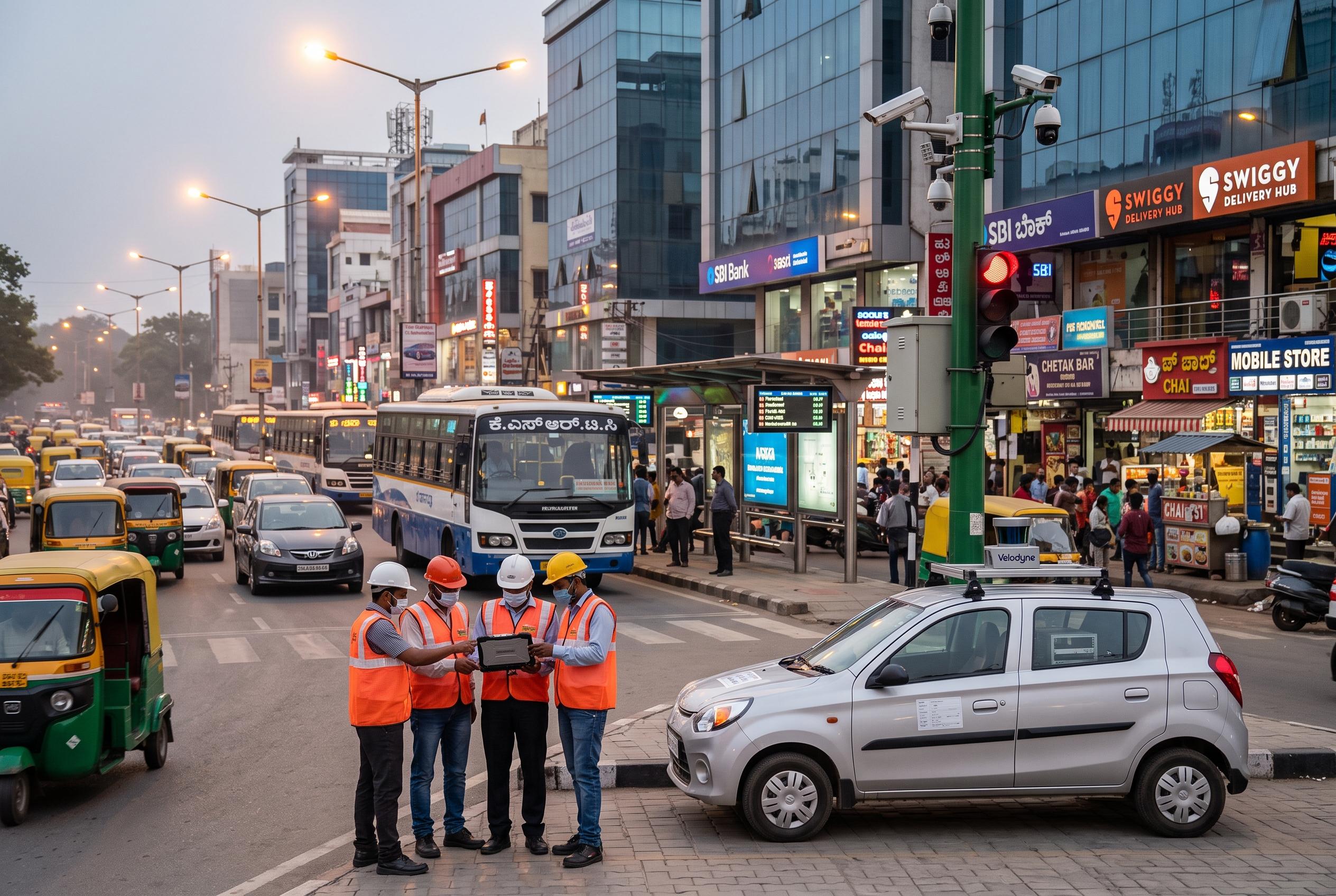

India’s standards body is adopting international specifications for intelligent transport systems and automated driving, aiming to enhance interoperability, safety, and deployment of autonomous vehicles, smart buses, and electric mobility solutions.
India’s standards body is moving to align the country’s connected transport framework with global rules as autonomous vehicles, smart buses and electric mobility edge closer to mainstream deployment. According to the Zee Business report, the Bureau of Indian Standards is adapting international specifications for intelligent transport systems and automated driving to Indian requirements, while also matching them with domestic standards for smart public transport and logistics visibility. The aim is to improve interoperability, safety and the wider functioning of connected mobility networks.
At the centre of that effort is the architecture for intelligent transport systems. ISO 21217 sets out how an ITS station should be structured so that different applications and services can communicate reliably, while India’s own work on related transport standards is intended to make such systems usable in local conditions, according to the International Organization for Standardisation. That matters because intelligent transport systems depend on shared technical rules: without them, vehicles, roadside infrastructure and control platforms cannot exchange data cleanly.
Testing is another important part of the picture. ISO 34503 provides guidance for assessing automated driving systems through defined scenarios and evaluation methods, helping regulators and manufacturers judge whether such systems are ready for road use. BIS’s interest in aligning with that framework suggests India is not only thinking about deployment, but also about how automated vehicles will be assessed before they reach public roads. The same logic applies to logistics visibility, where ISO 23354 focuses on the exchange of information about the status and location of goods, a capability that becomes more valuable as transport and supply chains grow more data-driven.
The policy backdrop is already changing. The Indian government has been extending advanced traffic management systems across major highway projects, including expressway corridors where authorities have reported safety benefits after installation. Under a separate central assistance scheme, it also supports advanced information and communication technology and ITS deployment in buses run by state transport undertakings. The broader objective is to cut accidents, reduce traffic violations and speed up incident response through better monitoring and communication.
Spectrum policy has also been adjusted to support emerging vehicle technologies. The Zee Business report said India has removed licensing requirements for certain radio frequencies used by radar-based safety systems and vehicle-to-everything communications, including the 77GHz to 81GHz and 5.9GHz bands. That brings the rules closer to those in the United States and European Union, and could reduce the need for India-specific hardware. In practical terms, the change should help automakers deploy features such as automatic emergency braking, adaptive cruise control and blind-spot detection, while also allowing vehicles to exchange warnings with infrastructure and with one another.
Disclaimer: This content is intended for informational purposes only. Readers are advised to exercise their own judgement, conduct due diligence, or consult a qualified expert before acting on any information provided.