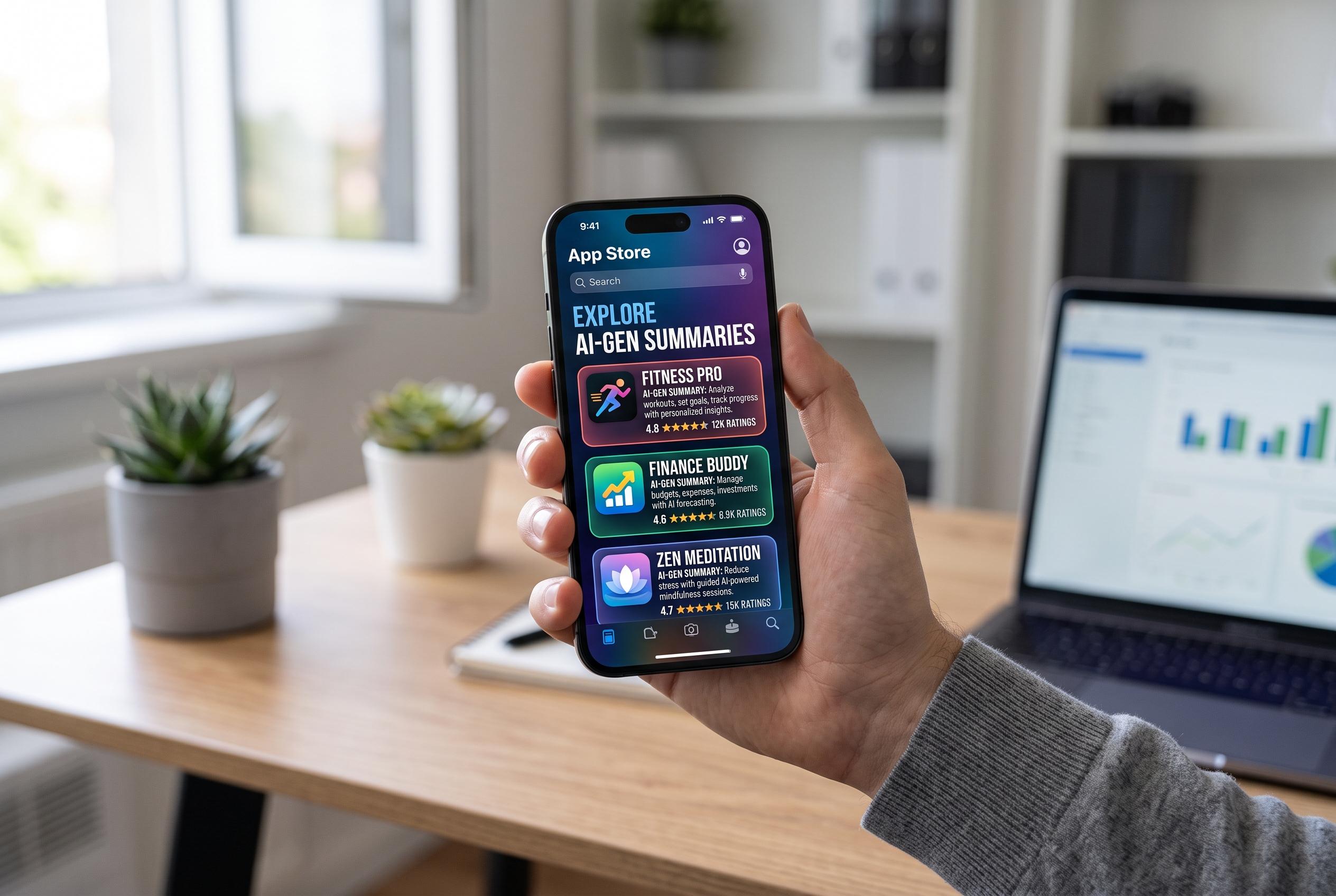

As Android users face an increasingly crowded app ecosystem, new tools and community-driven approaches are transforming how users find and evaluate apps, with AI summaries and social platforms playing a growing role.
Android users have never had more choice, but that abundance makes discovery harder, not easier. Google Play still remains the main starting point, yet the best results often come from combining store search with external guidance. Google’s own help material says discovery on Play relies on browsing, search and editorial selections, while the company continues to test and refine how users find apps and games. That means quality, relevance and presentation all matter when a user is deciding what to install.
The most effective searches begin with a clear need. A student looking for a note-taking app, a photographer seeking editing tools or a gamer hunting for a puzzle title will usually find better results than someone browsing without a goal. Tech blogs and app guides remain useful because they explain what an app actually does, rather than simply repeating its name or rating. That approach is especially helpful for users trying to separate genuinely useful tools from crowded category listings.
Communities now play a larger role in discovery than many users realise. Reddit threads, Discord groups, Facebook communities and Android forums can surface practical advice, bug reports and honest comparisons that are not obvious from a store page. Newer discovery services are also trying to formalise that behaviour. Shelf, an Android app available on Google Play, says it curates recommendations from YouTube channels, Reddit threads and online articles, while letting users build lists and share their own finds. Another platform, ExplorerApps, markets itself as an ad-free, community-led alternative with recommendations and reviews.
Review analysis is becoming more sophisticated as well. Android Central reported that Google is testing AI-generated summaries of app reviews under a “Users are saying” section, which pulls together recurring praise and complaints such as design quality, crashes or slow performance. The same report says Google is also introducing more natural-language search tools through “Ask Play” and short-form previews through “Play Shorts”, making it easier to assess an app before downloading it. CGMagazine has likewise noted that video-led discovery on YouTube, TikTok and Instagram is reshaping how people evaluate apps and games before they install them.
Comparison still matters before any download. Users should check permissions, developer details and privacy policies, and they should compare similar apps rather than settling for the first result. Device limits are equally important, especially for large games or resource-heavy tools that may not run well on older phones. In practice, the safest and most efficient approach is to combine store data, community feedback, review summaries and device checks before installing anything.
Disclaimer: This content is intended for informational purposes only. Readers are advised to exercise their own judgement, conduct due diligence, or consult a qualified expert before acting on any information provided.