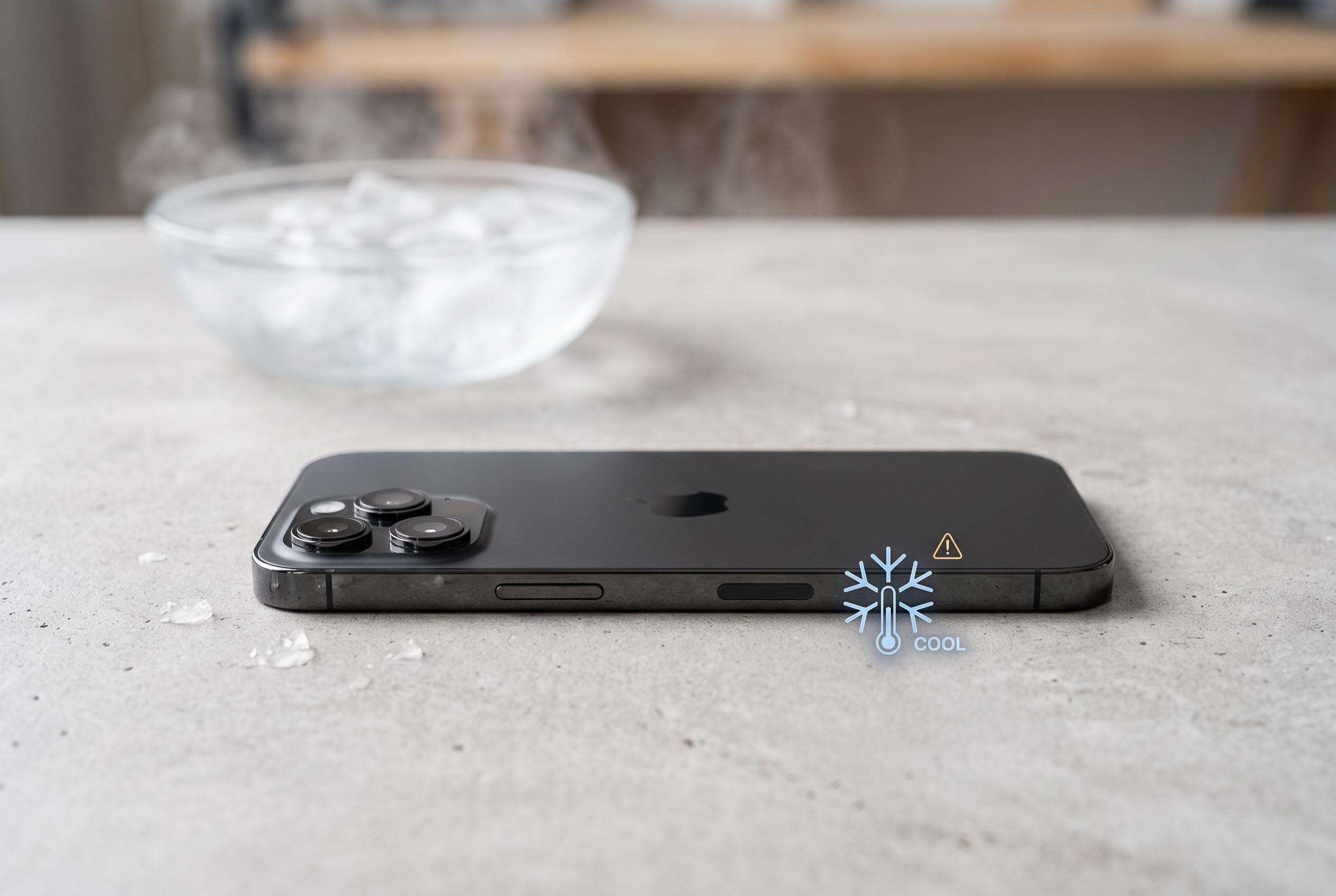

Using the fridge to cool an overheating smartphone may seem quick, but experts warn that rapid temperature changes can cause moisture damage and shorten the device’s lifespan. Safer cooling methods are recommended to prevent long-term harm.
A common reflex when a smartphone starts to run hot is to put it in the fridge, but that can do more harm than good. TV9 Hindi says the habit may feel like a quick fix, yet the sudden shift from heat to cold can trigger moisture inside the device and put the battery, motherboard and other components at risk.
The danger is not simply the temperature itself. As Digital Trends and other tech explainers note, rapid cooling can cause condensation inside the phone, much like droplets forming on a cold glass. That moisture can reach the charging port, speakers, camera module or logic board, raising the chance of short circuits and other faults.
Battery health is another concern. McAfee says smartphones generate heat mainly from the battery and processor, and repeated exposure to extreme conditions can strain both. A lithium-ion battery that is forced to deal with abrupt temperature changes may lose capacity faster, which can shorten the life of the handset over time.
Safer cooling methods are much simpler. Tech advice from Tom’s Guide and McAfee points to closing demanding apps, pausing gaming or video recording, removing the case, switching off charging if the phone is already hot and placing the device in a shaded, well-ventilated area. A fan or air-conditioned room is far preferable to ice, a freezer or a fridge.
If a phone keeps overheating without an obvious reason, that can point to a deeper problem such as a tired battery, overloaded software or even malware, McAfee says. In that case, a service check is wiser than trying to cool the device aggressively. The broad message from the tech reports is clear: treat overheating as a warning sign, not something to solve with a kitchen appliance.
Disclaimer: This content is intended for informational purposes only. Readers are advised to exercise their own judgement, conduct due diligence, or consult a qualified expert before acting on any information provided.