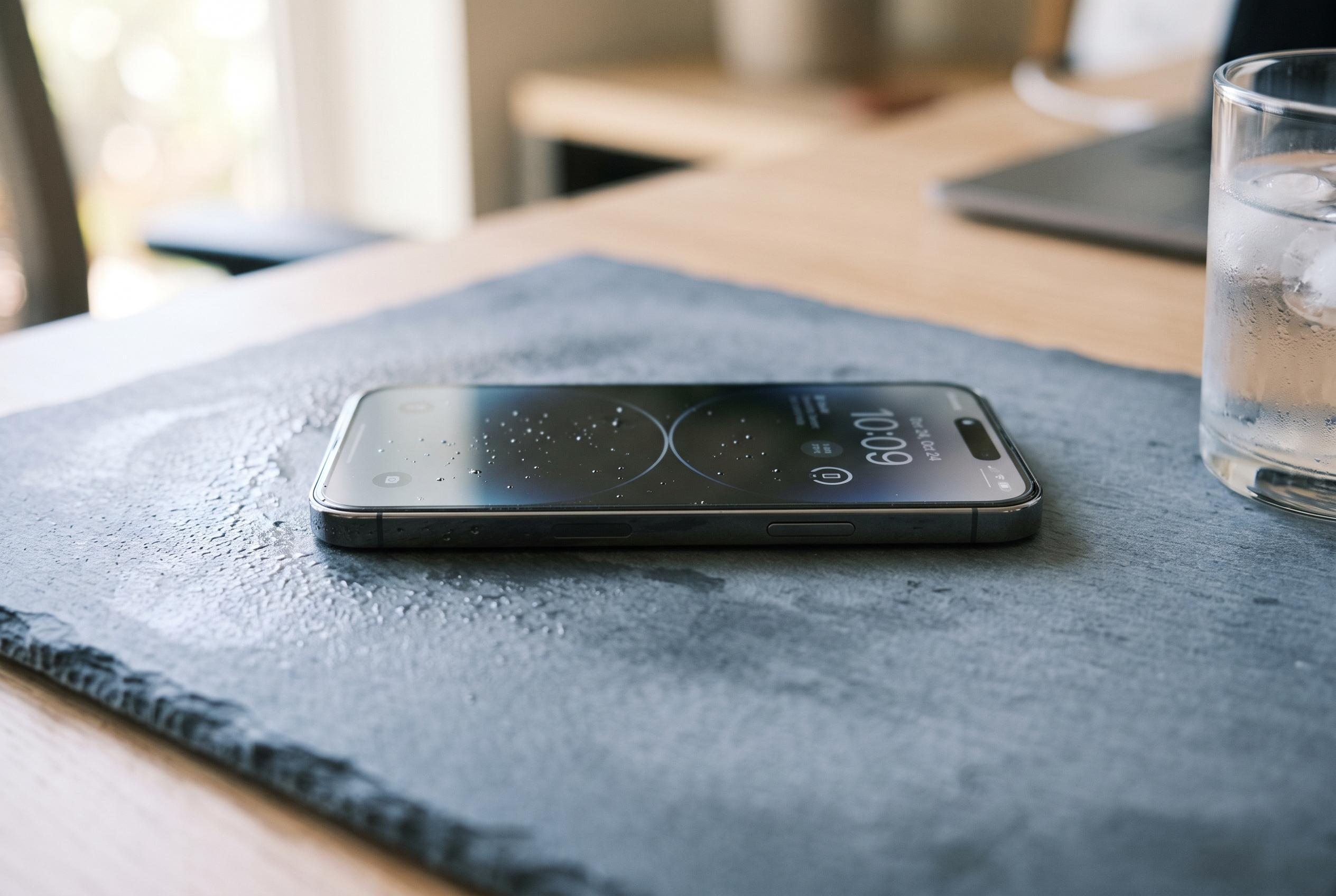

Contrary to social media tips, cooling your phone in the fridge can cause more harm than good. Experts recommend gentle cooling methods to preserve battery and device integrity during hot weather.
Keeping a smartphone cool in hot weather is less about clever hacks than avoiding bad advice. A German consumer report warned that social media tips urging people to put phones in the refrigerator can do more harm than the heat itself, because rapid temperature changes may create condensation inside the device and damage lithium-ion batteries. The safer response is usually simpler: let the phone rest, move it out of the sun and reduce the strain on it.
The concern is real because phone batteries do not like heat. According to reporting cited by WDR, Samsung and Apple both give 0C to 35C as a suitable ambient temperature range. When temperatures climb, the chemistry inside a lithium-ion battery speeds up, which can make the handset feel warm, slow performance and, over time, accelerate battery aging and reduce capacity. A hot phone is not always in immediate danger, but if it becomes too hot to hold comfortably, it needs to cool down.
Experts and manufacturers broadly recommend the same basic precautions. Close power-hungry apps such as games or the camera, remove the case if it traps heat, switch on low-power mode and keep the device in the shade. Best Buy and Tom’s Guide also advise against leaving phones in cars, charging them in hot conditions or using fast charging when temperatures are already high. The goal is to help the phone shed heat gradually, not to shock it with ice, a freezer or a refrigerator.
For everyday use, that means treating overheating as a warning sign rather than a crisis. If a phone starts running hot, stop demanding tasks, let it cool naturally and wait to recharge it until the temperature drops. In warm weather, small habits such as avoiding direct sunlight and keeping the handset on a hard surface with airflow can make a noticeable difference to battery health.
Disclaimer: This content is intended for informational purposes only. Readers are advised to exercise their own judgement, conduct due diligence, or consult a qualified expert before acting on any information provided.