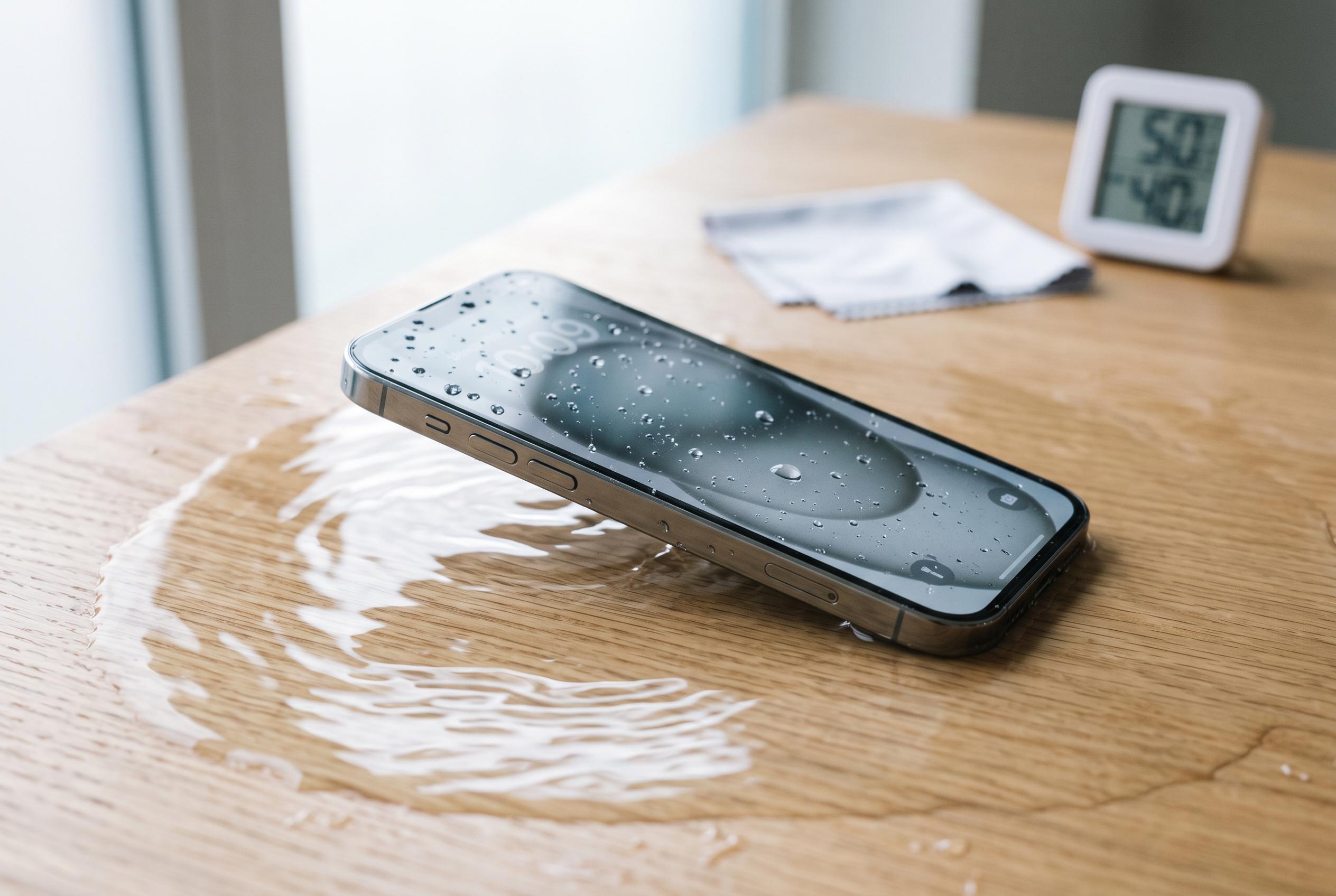

Immediate steps such as powering down and drying a water-damaged phone can prevent lasting harm, but improper handling may worsen the damage. Experts emphasise the importance of correct first aid to reduce corrosion and short circuits.
A phone that drops into water can be damaged in seconds, and the first instinct to check whether it still works can make matters worse. Water inside the device can create a short circuit the moment current passes through it, while lingering moisture can also begin corroding internal parts. That is why the first few minutes matter most, according to guidance from Consumer Reports and repair specialists at uBreakiFix.
The safest first step is to remove the phone from the water immediately and power it down at once if it is still on. Do not try to unlock it, open apps or place a call, and do not connect it to a charger. Even phones sold with IP67 or IP68 resistance are not fully immune, and that protection can weaken over time after knocks or repairs, as technology guides from TechRadar and Tom’s Guide note.
Next, take off the case and any detachable accessories, and remove the SIM card or memory card if that can be done safely. Dry the outside with a soft, lint-free cloth, paying attention to ports, buttons and speaker openings. It is better to let the device drain naturally with the ports facing down than to push moisture deeper inside, uBreakiFix says.
What you should not do is just as important. Avoid hairdryers, ovens, microwaves, direct sunlight and compressed air, all of which can force water further into the handset or damage adhesives and components. TechRadar and Tom’s Guide also advise against rice, which is less effective than many people assume and can leave dust in ports. A better option is to place the phone in a dry, ventilated container with silica gel packets for 24 to 48 hours, while recognising that severe exposure may still require professional repair to prevent long-term corrosion.
Disclaimer: This content is intended for informational purposes only. Readers are advised to exercise their own judgement, conduct due diligence, or consult a qualified expert before acting on any information provided.