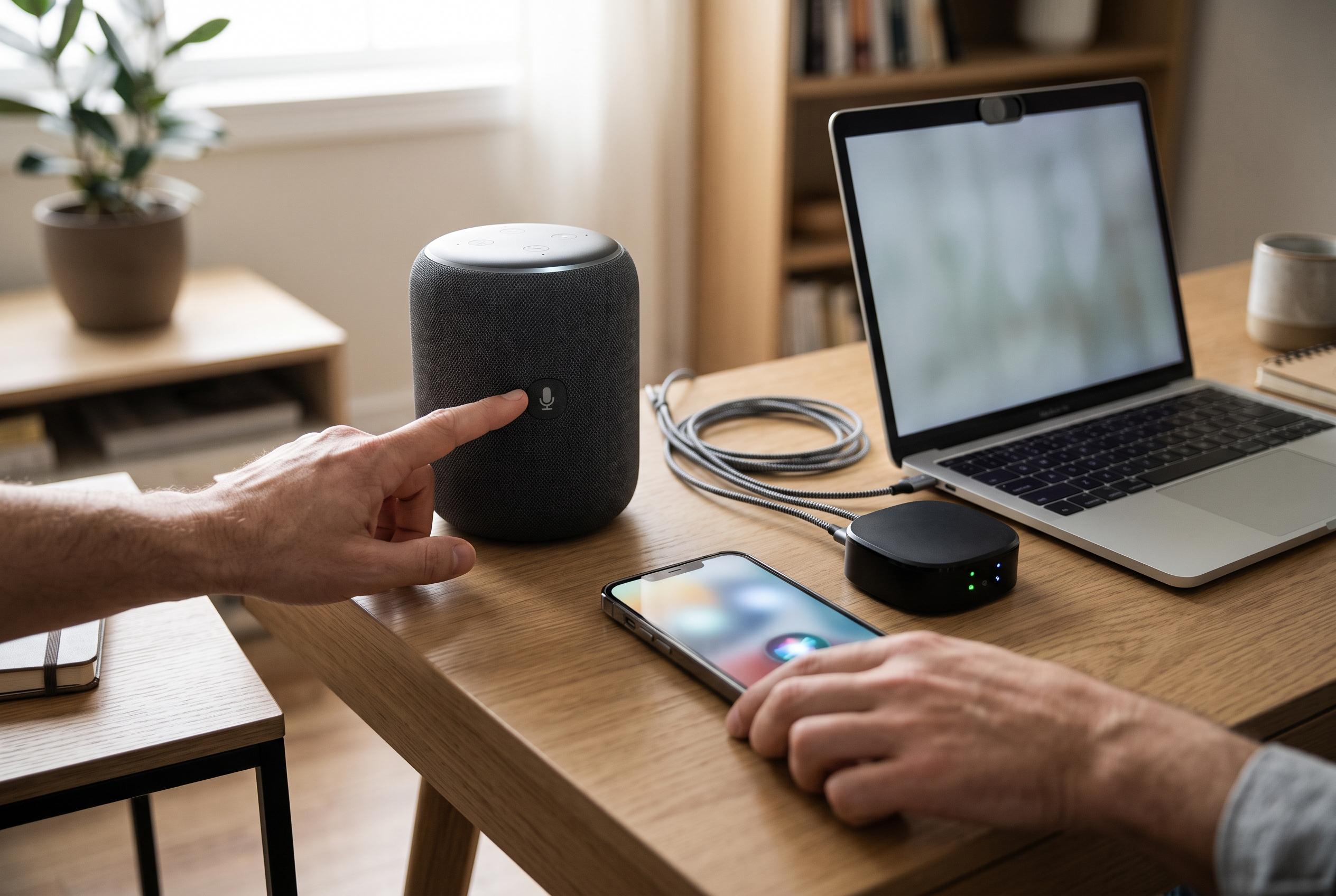

As Google gradually replaces Google Assistant with Gemini across devices, users face challenges in maintaining their familiar routines and interfaces amid a broader shift towards modular AI systems and on-device processing.
For some users, the most unsettling part of the AI shift is not the technology itself but the way it quietly rewires everyday habits. In the Arkansas Online piece, one reader described losing a familiar morning ritual when Google Gemini replaced Google Assistant on an Android phone, while another found Amazon’s Alexa voice had changed. The article argues that, in some cases, users can still restore older behaviour if they know where to look.
On Android, the route back to Google Assistant is buried in system settings rather than front and centre in the Gemini app. The Arkansas Online guide says users should open Settings, then Apps, then Default apps, and look for the digital assistant option, where Google Assistant may still be selected instead of Gemini, although the labels can vary by handset. That advice matters because, as Android Central and Android Authority have reported, Google’s move towards Gemini has been broad and deliberate, with the company steadily replacing Assistant branding across Android devices and, in some cases, making Gemini and Assistant mutually exclusive.
The same theme applies to Google’s customisation tools. Android Central reports that Google will replace Gemini Gems with a new Skills system, with the phased rollout beginning for Workspace users on October 5, 2026, and for Gemini app users on October 13, 2026. According to that reporting, existing Gems will be migrated automatically, while Google also plans continued support windows for business, enterprise and education accounts before the older format is retired. The change suggests that Google is not merely renaming features, but shifting from simple task-specific prompts towards more reusable and modular automation.
That broader pattern helps explain why some users are trying to preserve older interfaces and workflows wherever they can. AndroidPure says Gemini has already become the default assistant on Android phones, tablets, Wear OS watches, headphones and Android Auto, while Android Authority reports that users cannot presently keep Google Assistant and the Gemini app running at the same time. Android Central has also said that Google is rebranding familiar settings, including the voice-activation controls, so that users increasingly see Gemini in places once occupied by Assistant. In practical terms, that makes reversibility less about a permanent rollback and more about finding the last available switch before it disappears.
The Arkansas Online article extends that caution to other products, from Microsoft Edge, where Copilot can be switched off in new-tab settings, to a new ChatGPT add-in for Word, Excel and PowerPoint, which is designed to work inside Microsoft’s office apps. It also points to broader technical trends such as on-device AI, where more processing happens on the phone or wearable itself, and AI dubbing, which can alter lip movement to match translated dialogue. The common thread is clear: AI is increasingly being inserted into familiar tools, and for many users the real test is whether they can still keep those tools working as they expect.
Disclaimer: This content is intended for informational purposes only. Readers are advised to exercise their own judgement, conduct due diligence, or consult a qualified expert before acting on any information provided.