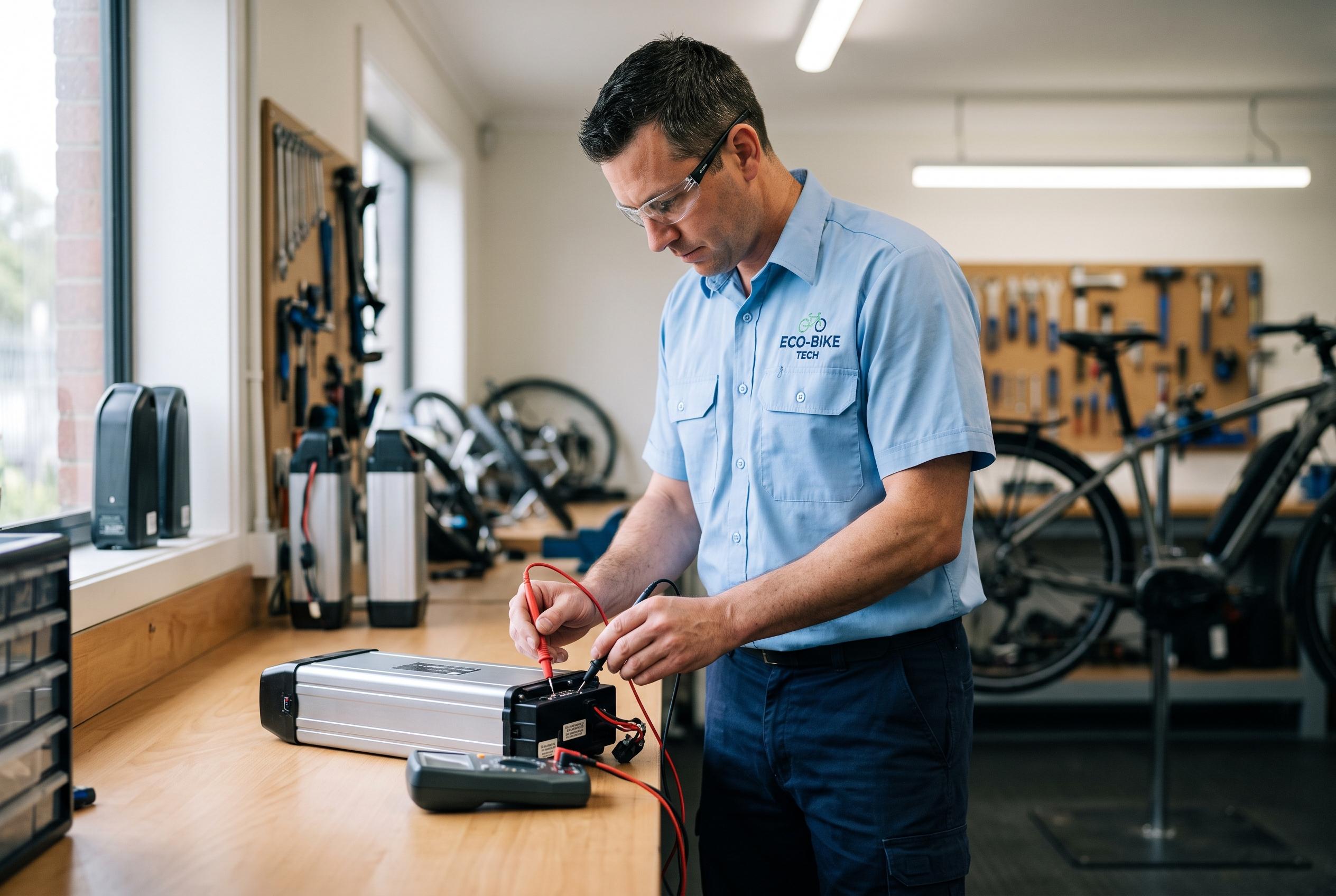

Recent reports highlight the increasing danger of lithium-ion battery fires in e-bikes, even when idle, prompting calls for stricter safety measures and certified equipment.
E-bike batteries can catch fire even when they are sitting idle, according to safety guidance and recent reporting on lithium-ion battery incidents. The underlying danger is thermal runaway, a self-feeding heat reaction that can begin after a crash, from an internal defect, through water ingress, or when a pack has aged badly. Consumer Reports says riders should treat swelling, unusual heat, hissing, strange odours, or leaking fluid as immediate warning signs and stop using the battery at once.
The biggest risks are usually not confined to charging. TechRadar and eBike Oracle both point to low-quality or uncertified battery packs, incompatible chargers, and physical damage as recurring causes of fires. TechCrunch notes that even a small internal fault can cascade through multiple lithium-ion cells, especially where manufacturing quality is poor or the battery management system fails to cut power correctly.
That is why safety specialists repeatedly advise buying certified equipment and using only the charger supplied by the manufacturer. Consumer Reports says batteries should be charged on a hard, non-flammable surface, kept away from exits and soft furnishings, and monitored rather than left unattended. TechRadar similarly recommends avoiding generic replacement chargers and choosing e-bikes with certified electrical systems, while eBike BC highlights the higher risk associated with aftermarket conversion kits and unbranded imports.
Overnight charging is common, but it is not ideal. Modern batteries and chargers usually stop charging automatically, yet the sources above agree that leaving a battery plugged in for long periods still adds heat stress and can shorten its useful life. The better practice is to unplug soon after full charge, charge while awake, and avoid charging in bedrooms, hallways, or other escape routes.
The risk has become a growing concern for fire services. TechRadar reported that UK firefighters are now responding to a lithium-ion battery fire about every five hours, underscoring how small failures can become severe incidents. If a battery begins smoking or emitting strong heat or odour, the safest response is to leave the area, call emergency services, and keep well clear until firefighters arrive.
Disclaimer: This content is intended for informational purposes only. Readers are advised to exercise their own judgement, conduct due diligence, or consult a qualified expert before acting on any information provided.