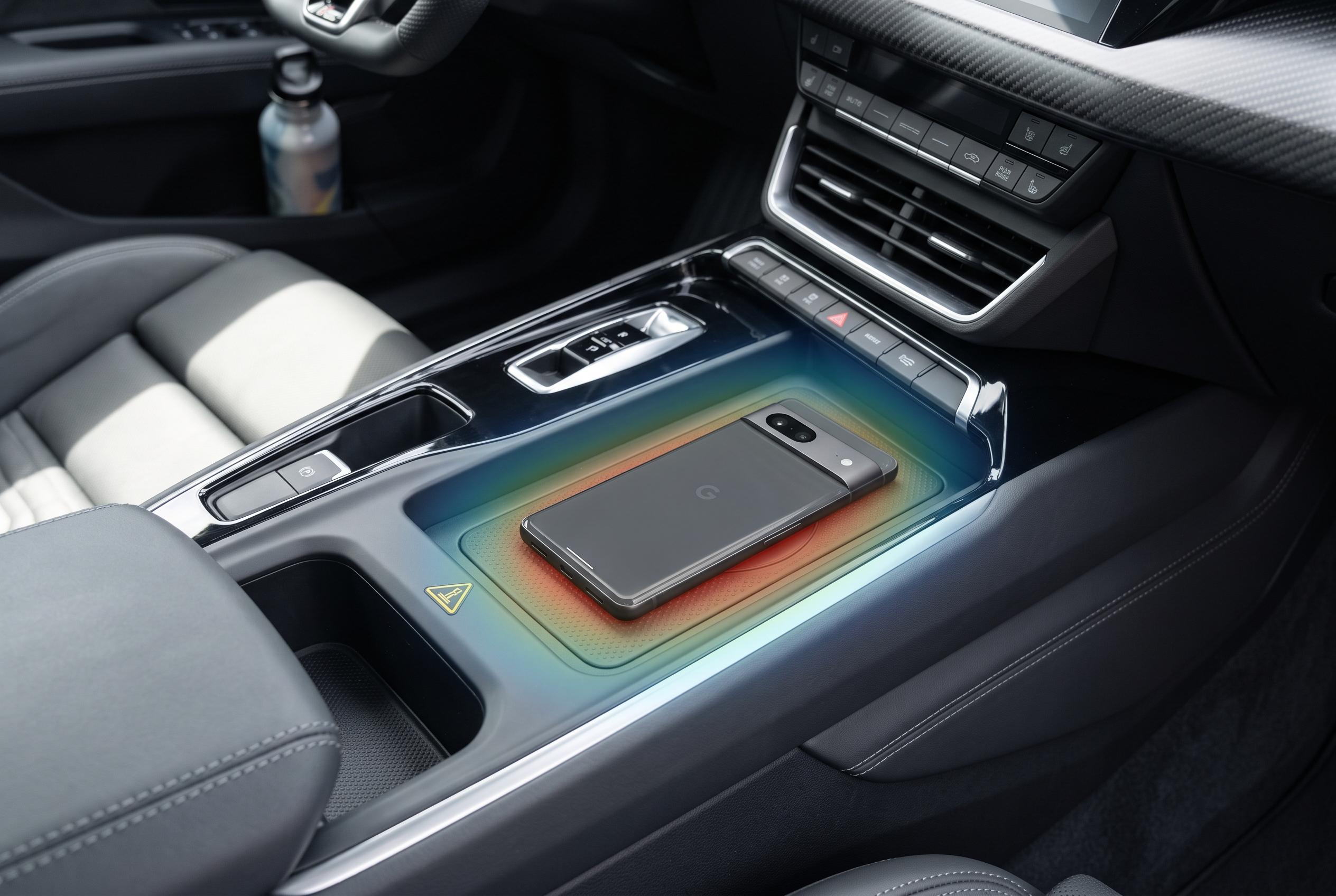

Advancements in car wireless charging systems bring increased efficiency but also raise heat-related issues due to electromagnetic induction, with factors like alignment, cabin temperature, and phone casing amplifying thermal risks.
Car wireless charging is convenient, but heat is a common side effect. The reason is simple: the system moves power through electromagnetic induction, which is less efficient than a cable. Some of the energy is lost in the transfer and released as heat, according to both Haberler’s report and technical explanations from accessory makers and phone support pages. (haberler.com)
Alignment matters as well. If the phone does not sit squarely on the charging pad, the coils inside the handset and the car work less efficiently, which increases heat. Xiaomi’s support guidance for the 17 Ultra says the same basic physics applies even with higher-output wireless charging, and notes that heavier phone use during charging can add to the thermal load. (mi.com)
Conditions inside the car can make the problem worse. Syncwire’s guidance says cabin heat, direct sun and the lack of air conditioning can all raise the temperature further, while thick cases can trap heat and interfere with charging performance. Haberler also advises removing bulky or metal-containing cases and keeping the handset out of strong sunlight. (syncwire.com)
The practical response is to improve cooling and reduce load. Place the phone carefully on the pad, keep the cabin cool, switch off unnecessary features such as navigation-heavy apps or wireless connectivity tools if they are not needed, and stop charging if the handset warns of overheating. Xiaomi says the temperature rise can remain within a normal operating range, but repeated heat exposure is still something drivers should manage. (mi.com)
Disclaimer: This content is intended for informational purposes only. Readers are advised to exercise their own judgement, conduct due diligence, or consult a qualified expert before acting on any information provided.