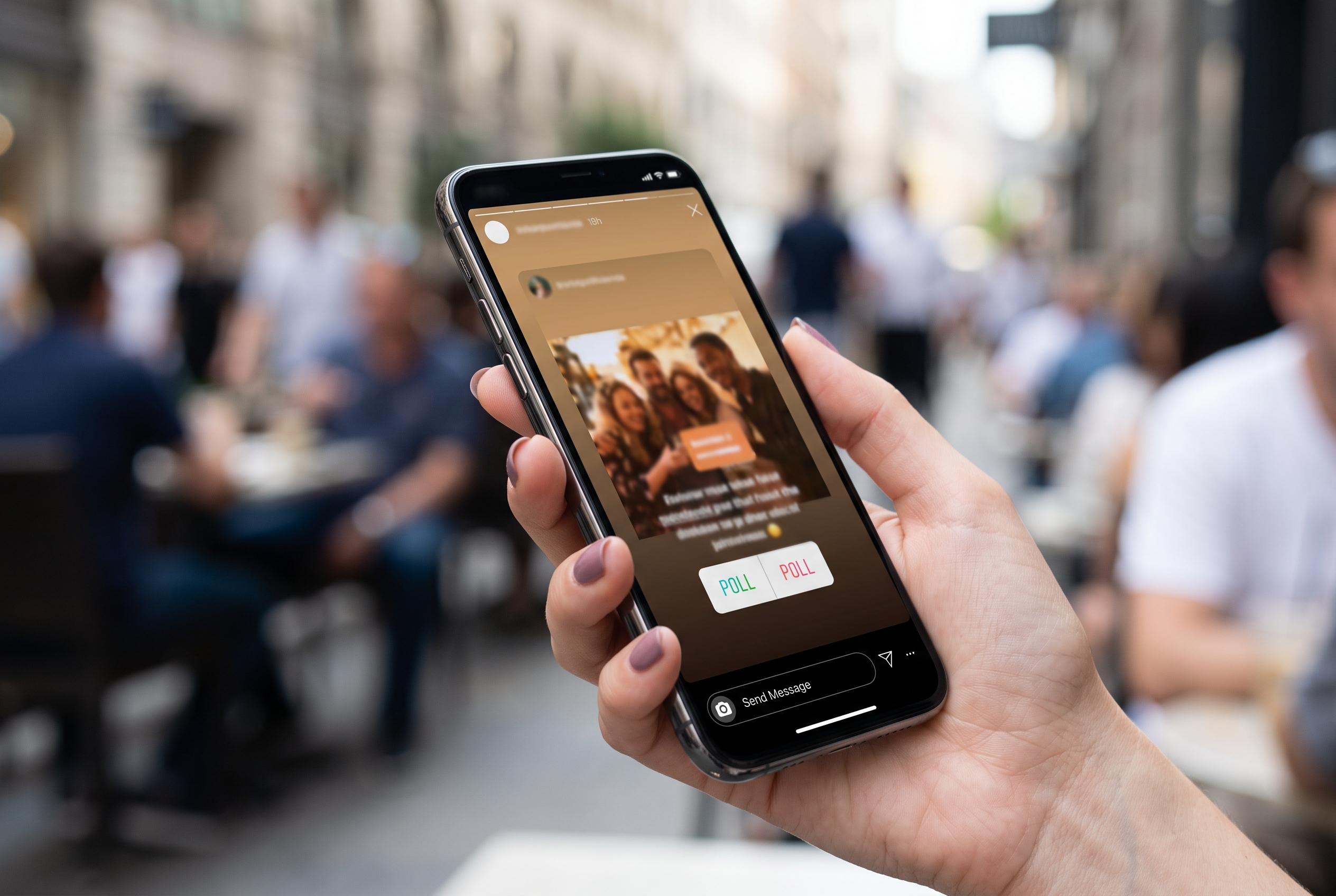

As Instagram Stories evolve into a key communication channel, brands must craft clear, engaging, and measurable content strategies that resonate with mobile users and enhance engagement through intentional design and analytics.
Instagram Stories have moved well beyond casual snapshots. For brands and creators, they now function as a compact communication channel that can support visibility, interaction and measurable conversion. The central challenge is no longer whether to use Stories, but how to structure them so they carry a clear message, fit mobile habits and deliver data that can be acted on. According to Incremys, Tiz and Webzako, the strongest Instagram strategies begin with clear objectives, defined audience groups and a consistent editorial direction.
That logic applies particularly well to Stories because the format is immediate and sequential. Users move through them quickly, which makes the first frame decisive and the overall flow crucial. The most effective approach is to plan short series around a single theme, then guide viewers through a simple path: attention, interaction, and action. NM Consulting and Videobiz both stress the value of a coherent visual identity, regular publishing and authentic tone in sustaining audience interest.
The format itself also matters. Photo, video, text, animated templates and short live segments each serve different purposes, but none should be overloaded with information. A Story that is easy to scan, visually balanced and supported by subtitles is more likely to be completed, especially as many viewers watch without sound. The company-focused guidance from Standish adds that highlights can extend the life of strong content by keeping key sequences visible beyond their original 24-hour window.
Interactive stickers are now one of the most useful tools in the format. Polls, quizzes, emoji sliders and question boxes turn passive viewing into measurable participation. Used well, they do more than raise engagement; they also help collect qualitative feedback, test ideas and segment an audience. In the lead article, the emphasis on placing stickers carefully and limiting clutter reflects a wider best practice seen across Instagram strategy advice: the interface should invite a response, not compete with the message.
Automation can make that interaction more useful, but it has to be handled carefully. When responses from stickers are linked to customer relationship systems or other back-end tools, teams can prioritise leads and follow up faster. The risk is over-engineering the exchange and losing the sense of direct contact that makes Stories effective in the first place. A better approach is to automate only the repetitive parts, while keeping the tone personal and giving users an easy way to opt out. That balance is consistent with the wider advice to humanise a brand rather than make it feel mechanical.
Measurement remains essential. Instagram Insights can show completion rates, sticker taps, link clicks, impressions and drop-off points, all of which help identify where a sequence is working and where viewers are leaving. The practical value lies in comparison: different calls to action, posting times and visual layouts can be tested against one another, then refined over time. The related articles all point to the same principle: consistency without analysis is weak, and analysis without regular publishing is incomplete.
For businesses trying to reach a mobile-first audience, the technical discipline matters as much as the creative idea. Stories must load quickly, read clearly in portrait view and remain usable on smaller screens and slower connections. That means fewer words, stronger contrast, visible captions and lighter production where necessary. Used in this way, Stories become more than a temporary format: they can support a broader content strategy built around positioning, audience understanding, recurring themes and performance review.
Disclaimer: This content is intended for informational purposes only. Readers are advised to exercise their own judgement, conduct due diligence, or consult a qualified expert before acting on any information provided.