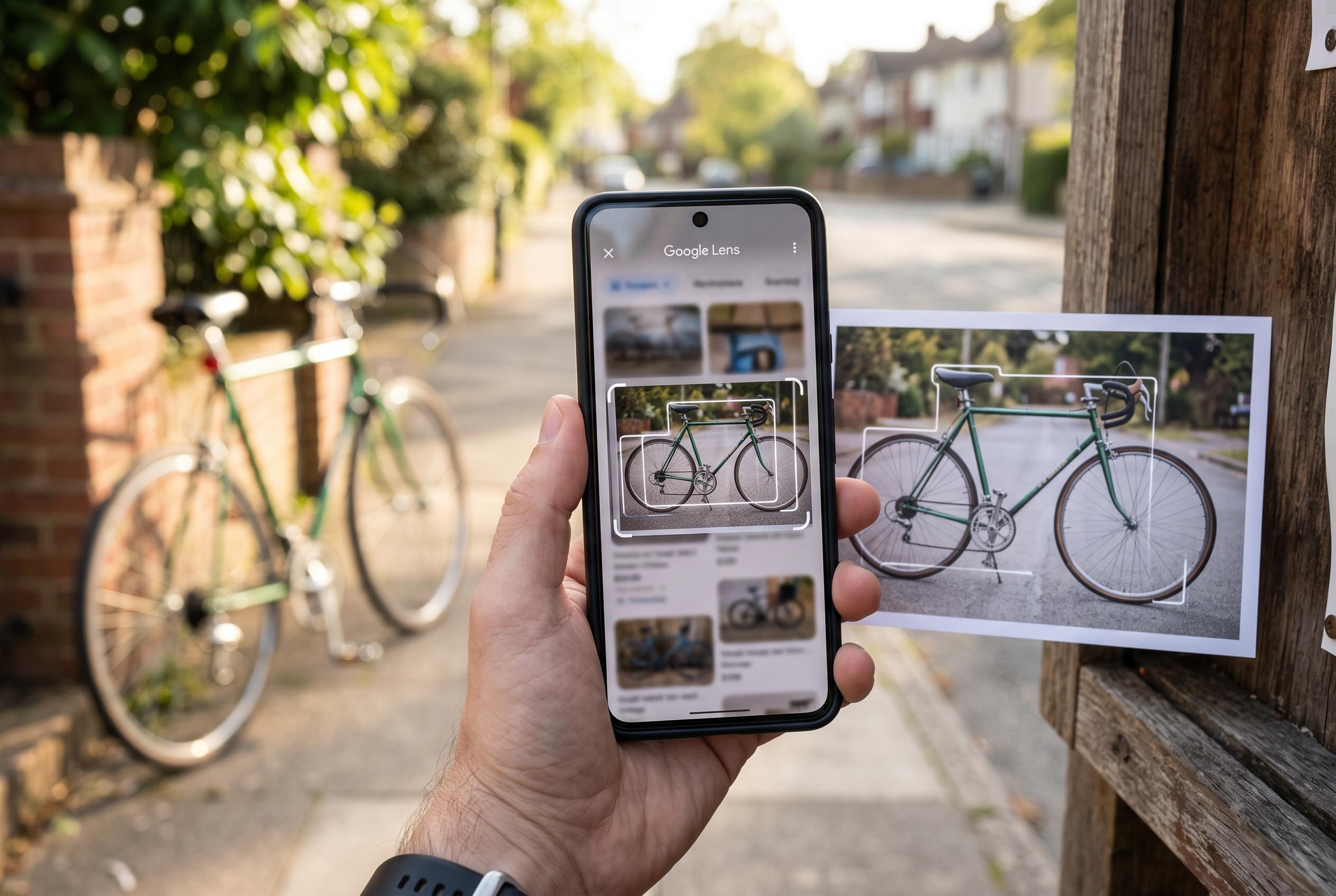

As Facebook Marketplace evolves into a fast-paced local market, savvy sellers and buyers harness Google Lens and strategic localisation to maximise deals, shifting the traditional classifieds game into a dynamic, image-driven experience.
Facebook Marketplace rewards sellers and buyers who treat it less like a noticeboard and more like a live market. Lifehacker argues that the platform’s local, fast-moving structure means price, timing and presentation matter far more than on a conventional classifieds page. Google Lens is one of the most useful tools in that environment because it can identify items from a photo, compare them with retail and resale listings, and help both sides judge whether a price is realistic. Google’s own app listing says Lens can search from images, identify objects and scan codes, making it a practical first check before anyone commits to a deal. The Facebook Help Centre also confirms that Marketplace searches can be narrowed by category, keywords and location, which is the basic mechanics behind better buying.
Location remains one of the strongest advantages on Marketplace. Facebook’s guidance shows that buyers can sort by distance or by the newest listings, which means a search can be shaped around speed or geography rather than left to chance. That matters because, as Lifehacker notes, different areas behave like separate mini-markets: affluent neighbourhoods may be better for higher-end household goods, college towns for short-notice student items and city centres for compact furniture and homeware. In practical terms, a tighter search radius and a more specific place name can surface better deals than a broad local search.
For sellers, credibility is often more valuable than a polished description. Lifehacker recommends acknowledging at least one minor defect, because an honest flaw can make the rest of the listing more believable. It also advises adding video, since a clip showing drawers opening, a motor running or an item turning through 360 degrees provides a useful form of proof that the object exists and works. Facebook’s own Help Centre does not frame it that way, but its listing and sorting tools are designed to reward active, fresh and specific posts, which supports the broader point that clear, recent listings tend to perform better.
Lifehacker also suggests using Facebook’s “List in more places” option after publishing, because it can push an item into relevant local buying and selling groups. That approach is more effective when the tone suits the group, rather than reading like a generic advert copied everywhere. For stale listings, Facebook provides a renewal option, although Lifehacker cautions that renewing may only produce a brief lift. Re-listing can make an item appear fresh again, but repeated removals and reposts can look suspicious, so patience is often the safer tactic.
Price negotiation on Marketplace is rarely optional. Lifehacker’s rule of thumb is simple: sellers should leave roughly 15 per cent room to bargain, while buyers can start about 15 per cent below the asking price. It also recommends watching the first couple of hours after posting, because early engagement can help a listing travel further in the feed. For frequent users, building repeat relationships with reliable buyers or sellers can be even more effective than chasing one-off bargains.
As for what actually sells, the best bargains are usually bulky, awkward or outdated items that are expensive to move and easy to replace. Lifehacker says old televisions, basic routers, flat-pack furniture and inherited formal tableware are often hard to shift, while specialist, high-end equipment is usually sold elsewhere because the market is too niche. In between sit bicycles, cameras and audio gear, where constant upgrading creates steady turnover and modest discounts. The platform’s value, in other words, lies less in rare finds than in understanding which goods other people most want to clear out quickly.
Disclaimer: This content is intended for informational purposes only. Readers are advised to exercise their own judgement, conduct due diligence, or consult a qualified expert before acting on any information provided.