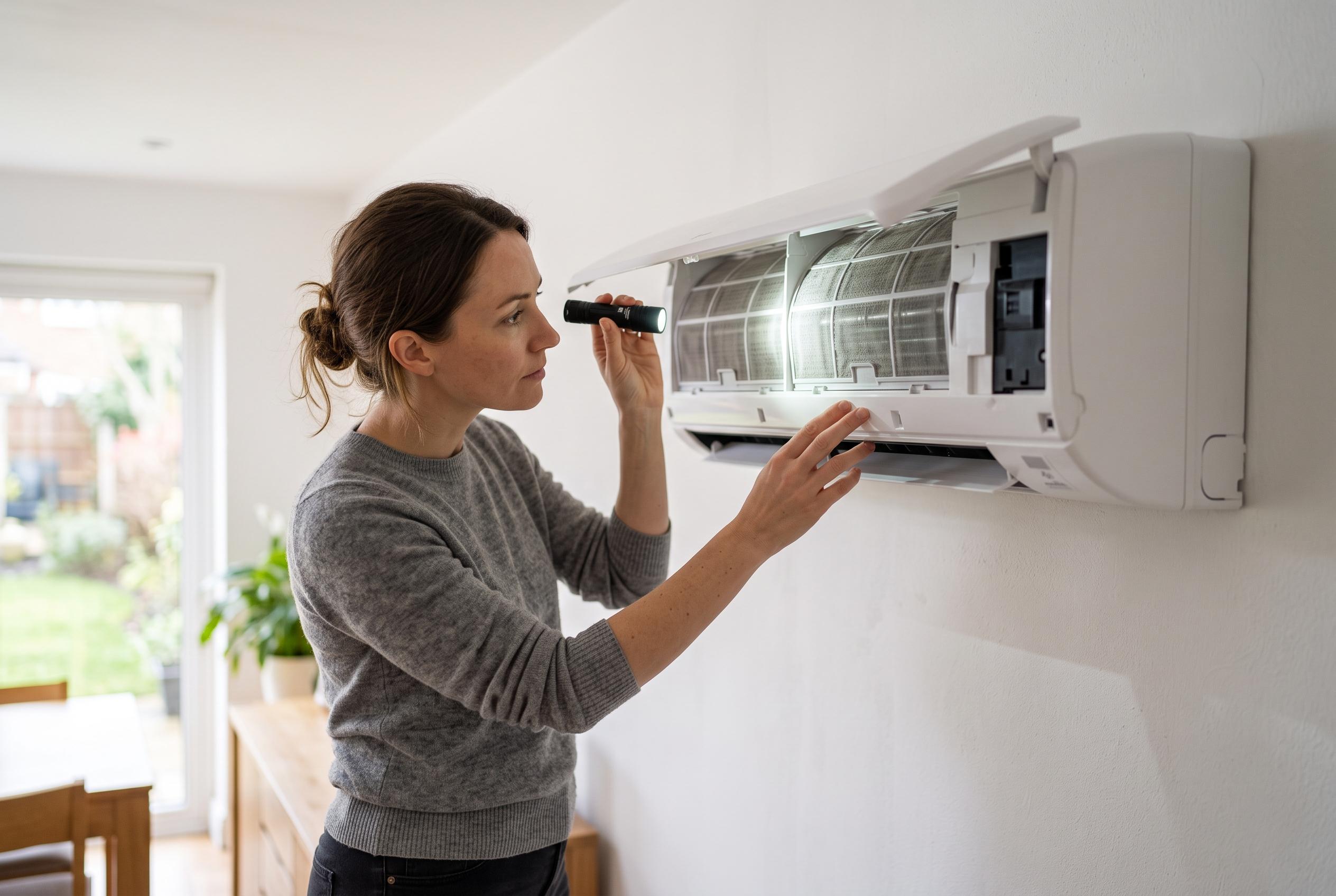

A step-by-step guide for homeowners to safely diagnose common air conditioning problems, emphasising when expert intervention is necessary to avoid long-term damage and ensure optimal cooling performance.
A failing air conditioner in hot weather is often fixable at the level of settings, airflow or drainage, but only if the checks are done safely and in the right order. According to Carrier and American Standard, central air systems work by moving heat and moisture from indoors to outdoors through a refrigerant cycle, with the thermostat, evaporator coil, compressor and condenser all playing distinct parts. When one link in that chain is interrupted, cooling performance drops quickly.
The first step is to check the thermostat. Make sure it is set to cool, the target temperature is below the room temperature and any economy or scheduling functions are not restricting operation. If the thermostat uses batteries, replace them. HVAC.com also advises checking that the system has power at both the indoor and outdoor units, as a tripped breaker or switched-off disconnect can stop cooling entirely.
Airflow is the next common problem. A dirty filter can restrict circulation enough to make the system struggle or overheat, while blocked supply vents or return grilles can have a similar effect. Trane notes that clogged filters and dirty coils are frequent reasons for weak cooling. Outside, the condenser needs clear space around it; leaves, cut grass and other debris can reduce heat transfer and shorten the life of the equipment.
Drainage should not be overlooked. When the condensate line blocks, water can back up and trigger a safety switch that shuts the system down to prevent damage. If there is standing water around the indoor unit or a raised float switch, the drain may need attention. Minor clogs can sometimes be cleared, but visible water damage or repeated blockages merit professional inspection.
Some faults should not be handled as do-it-yourself repairs. Warm air from the vents while the outdoor unit runs, humming without proper compressor start-up, repeated breaker trips, burning smells, ice on refrigerant lines or coils, and loud grinding noises all suggest problems that need a qualified technician. Refrigerant work, electrical faults and component replacement are not safe for most homeowners, and may also affect warranty cover if tackled incorrectly.
A good service visit usually begins with the basics: thermostat settings, filters, airflow, electrical checks and inspection of both indoor and outdoor units. Technicians may then measure temperature differences, test capacitors and contactors, and check refrigerant pressure and possible leaks. Homeowners can make the process easier by clearing access to the air handler, outdoor unit and electrical panel, and by noting the system’s age, model number and any error codes or symptoms.
Prevention is still the most effective approach. Regular filter changes, annual cleaning of the outdoor coil, clear space around the condenser and occasional checks of return grilles all help the system run more efficiently. A pre-summer tune-up can also catch weak capacitors, loose connections and other faults before they lead to a breakdown. In short, start with the safe checks, stop when the signs point to electrical, refrigerant or mechanical failure, and call a licensed technician when the problem goes beyond basic maintenance.
Disclaimer: This content is intended for informational purposes only. Readers are advised to exercise their own judgement, conduct due diligence, or consult a qualified expert before acting on any information provided.