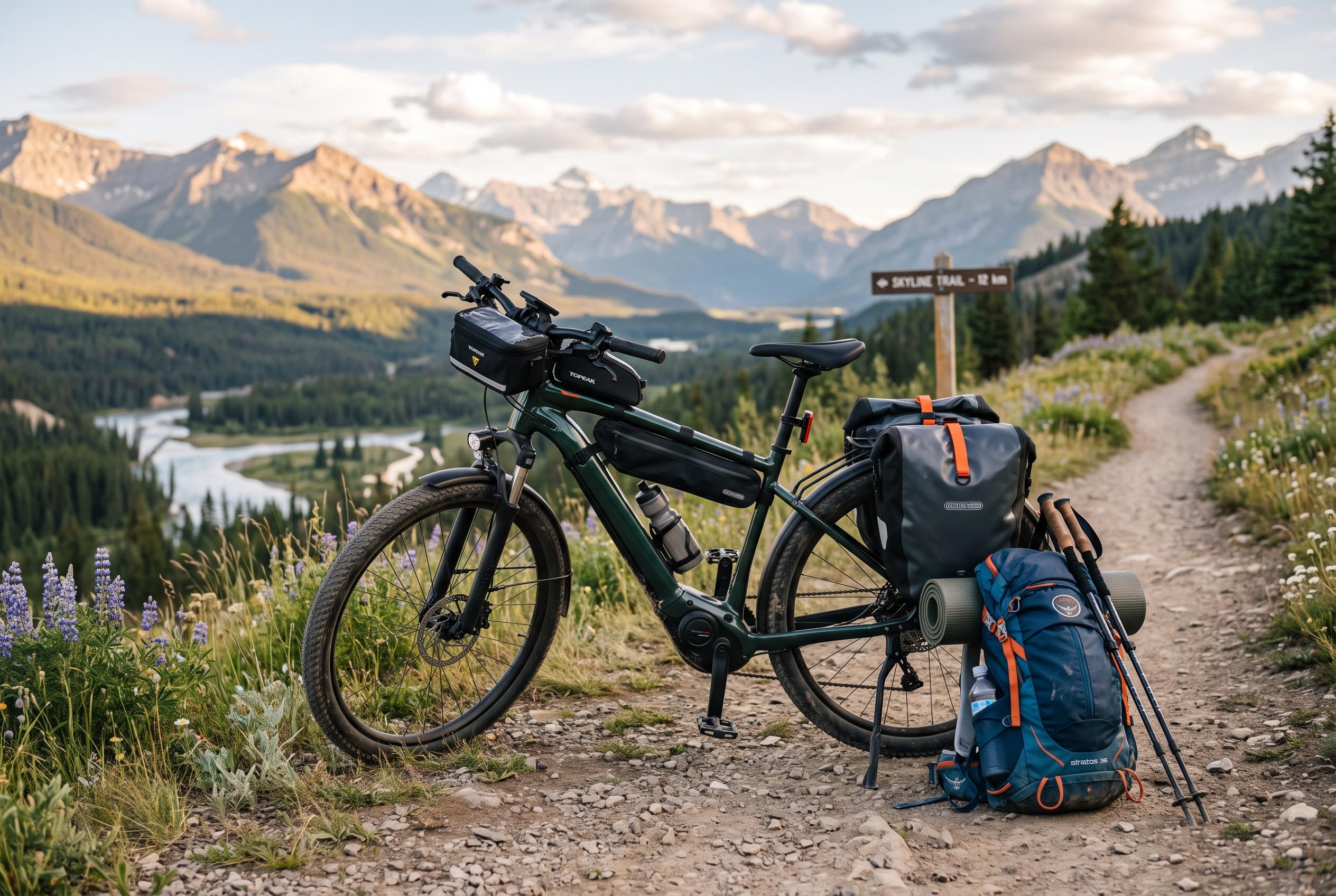

Effective battery management, through charging, ride style, and route planning, can make multi-day e-bike journeys smoother and more reliable, says expert advice.
For multi-day e-bike travel, the difference between an easy ride and a stressful one often comes down to battery management rather than raw speed. Riders who treat energy like a daily budget, rather than something to use up freely, can extend range while also protecting the battery’s long-term condition. REI’s expert advice and BikeTips both stress that charging habits, assist levels and weather all have a direct effect on how far a charge will go.
The simplest habit is to begin each major riding day with a full battery whenever charging is available. That gives a rider the most flexibility for hills, wind, detours and heavy luggage. At the same time, several guides note that a short stop may not be enough to replenish a large battery fully, so route planning should include realistic charging windows rather than assumptions about quick top-ups.
Assist level is the next major variable. REI recommends eco mode where possible, while BikeTips advises using lower pedal-assist settings on easier terrain and reserving higher support for climbs or strong headwinds. The practical point is straightforward: the motor should supplement effort, not replace it. Riders who maintain a steady cadence and shift early on hills usually get more useful distance from the same charge.
Throttle use deserves similar restraint. Frequent throttle-only riding, especially from a standing start or on steep gradients, drains power far faster than consistent pedalling with modest assistance. That makes efficient riding especially important on touring routes, where range margins can disappear quickly if the bike is repeatedly asked to do all the work.
Mechanical set-up matters as much as riding style. BikeTips and REI both point to tyre pressure, wind resistance and route choice as key range factors, while consumer guidance also highlights cold weather as a temporary drag on battery performance. Underinflated tyres and unnecessary stop-start riding increase resistance, and extra weight from luggage or gear makes every climb more expensive in energy terms.
Route planning can therefore save more battery than aggressive riding adjustments made later in the day. A shorter route with severe climbing may use more energy than a longer but flatter alternative, so elevation profiles matter as much as mileage. Several guides recommend checking terrain in advance and adjusting expectations for wind, rider weight, cargo and surface conditions, all of which can reduce real-world range well below brochure claims.
Charging strategy also affects how far a trip can stretch. REI and Consumer Reports both advise regular charging and avoiding full discharge, while BikeTips recommends charging to around 80% for everyday use and topping up to 100% before longer rides. For touring, the main lesson is to charge when a safe outlet is available, even if the battery is not close to empty, and to use the manufacturer’s charger rather than improvising.
Battery health is also tied to temperature and storage. REI, Consumer Reports and VTUVIA all note that lithium-ion batteries lose performance in the cold and should not be left in extreme heat. They also advise storing batteries at partial charge for longer periods rather than leaving them fully drained or permanently full. For riders returning from a trip, that means ending the journey with a reserve and following the maker’s storage guidance before putting the bike away.
For remote touring, a second compatible battery can be a practical insurance policy, but it adds weight and must be matched to the bike’s electrical system. The broader principle is simple: manage energy deliberately, keep the drivetrain clean and efficient, and do not trust maximum-range marketing figures as a guarantee. On real trips, battery performance is shaped by terrain, weather, speed, load and riding style, not a single number on a specification sheet.
Disclaimer: This content is intended for informational purposes only. Readers are advised to exercise their own judgement, conduct due diligence, or consult a qualified expert before acting on any information provided.