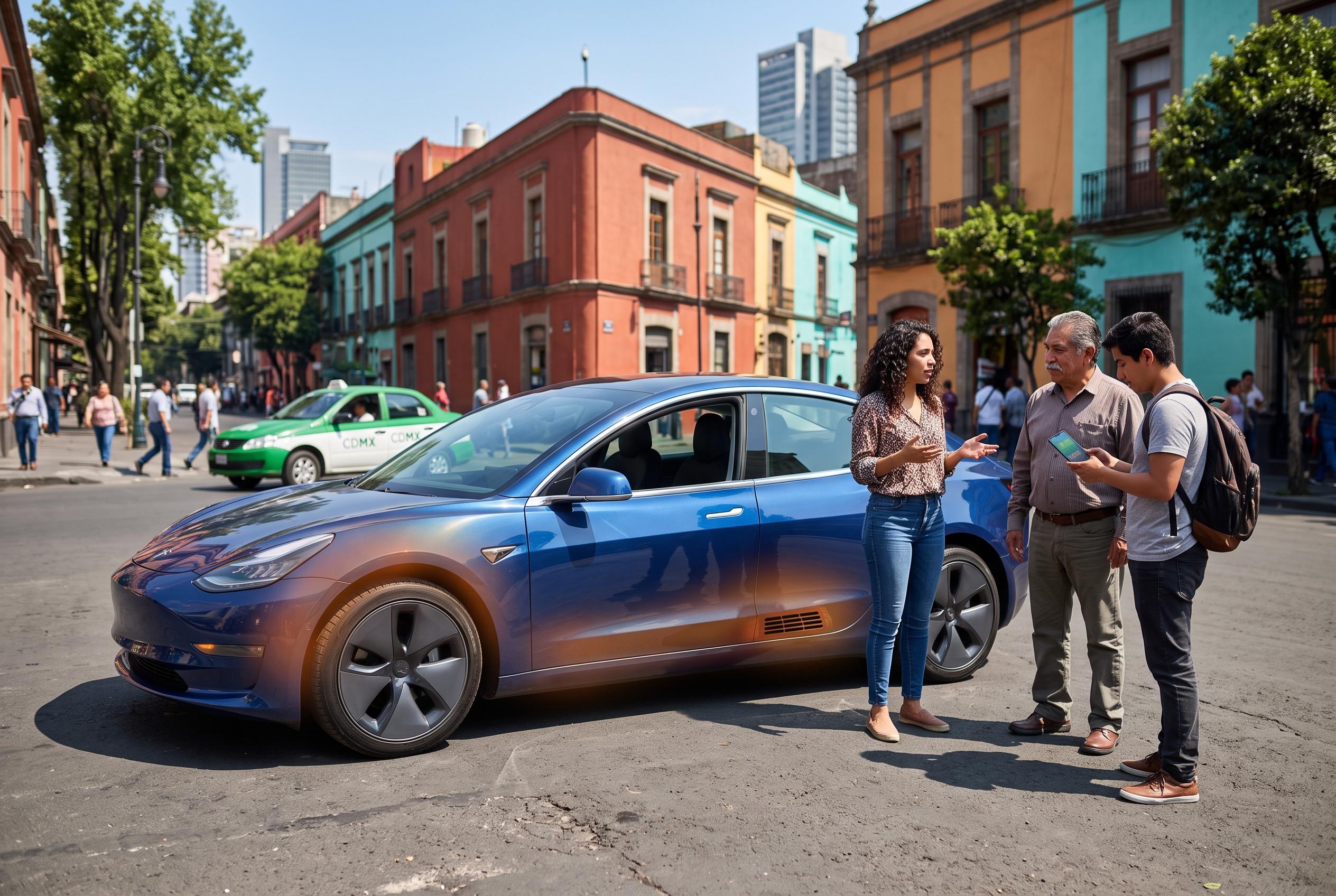

As Mexico’s EV sales soar by over 21% in the first quarter of 2026, experts emphasise smarter charging, thermal management, and driving habits to extend battery life and optimise energy use amid evolving market demands.
Mexico’s electric-vehicle market is expanding quickly, but the shift to cleaner transport is also putting a premium on battery care and energy efficiency. Puros Autos reported that EV sales rose 21.6% in the first quarter of 2026 to 25,003 units, a sign that more drivers and fleet operators now need practical guidance on how to make batteries last longer and use less energy. That need is reinforced by broader research showing that charging habits, driving style and thermal management all affect long-term battery performance.
One of the clearest lessons is that frequent ultra-fast charging should be reserved for when it is genuinely necessary. The lead article says rapid chargers can roughly double annual battery wear compared with slower charging, while academic work on battery life management similarly finds that smarter charging strategies can reduce degradation and total costs. For daily use, overnight charging at home or at work remains the gentler option.
The article also stresses that batteries are not harmed by normal day-to-day swings in charge, but prolonged parking at the extremes can be costly. Keeping a battery parked at 100% or near empty for long periods, especially in hot weather, is more damaging than regular use within a moderate range. Studies on battery state-of-health estimation and remaining useful life support that view, because effective battery management depends on tracking usable capacity and internal resistance over time.
Temperature management is another practical lever. Pre-conditioning the cabin while the vehicle is still plugged in helps avoid draining the battery for heating or cooling before a trip begins. That matters in a country with varied climates, where researchers have highlighted charging infrastructure, energy management and battery technology as central issues in EV development. AI-based studies on state-of-charge and battery-temperature prediction likewise show why thermal control is increasingly part of battery optimisation.
Driving behaviour also affects consumption. Smooth acceleration, gradual braking and the use of regenerative braking can reduce unnecessary strain on the powertrain and recover some energy in city traffic. Recent research on real-time energy management for range-extended electric vehicles, as well as reinforcement-learning approaches to EV charging and driving decisions, points to the same conclusion: efficiency improves when the vehicle’s energy use is managed more intelligently rather than more aggressively.
Finally, the article notes that low tyre pressure and avoidable weight increase energy demand without materially helping battery longevity. For commercial fleets, that makes telematics useful not only for routing and charging schedules, but also for cutting operating costs and planning battery use more carefully. For private buyers, it offers reassurance that battery life can often outlast the vehicle itself if charging, temperature and driving habits are managed properly.
Disclaimer: This content is intended for informational purposes only. Readers are advised to exercise their own judgement, conduct due diligence, or consult a qualified expert before acting on any information provided.