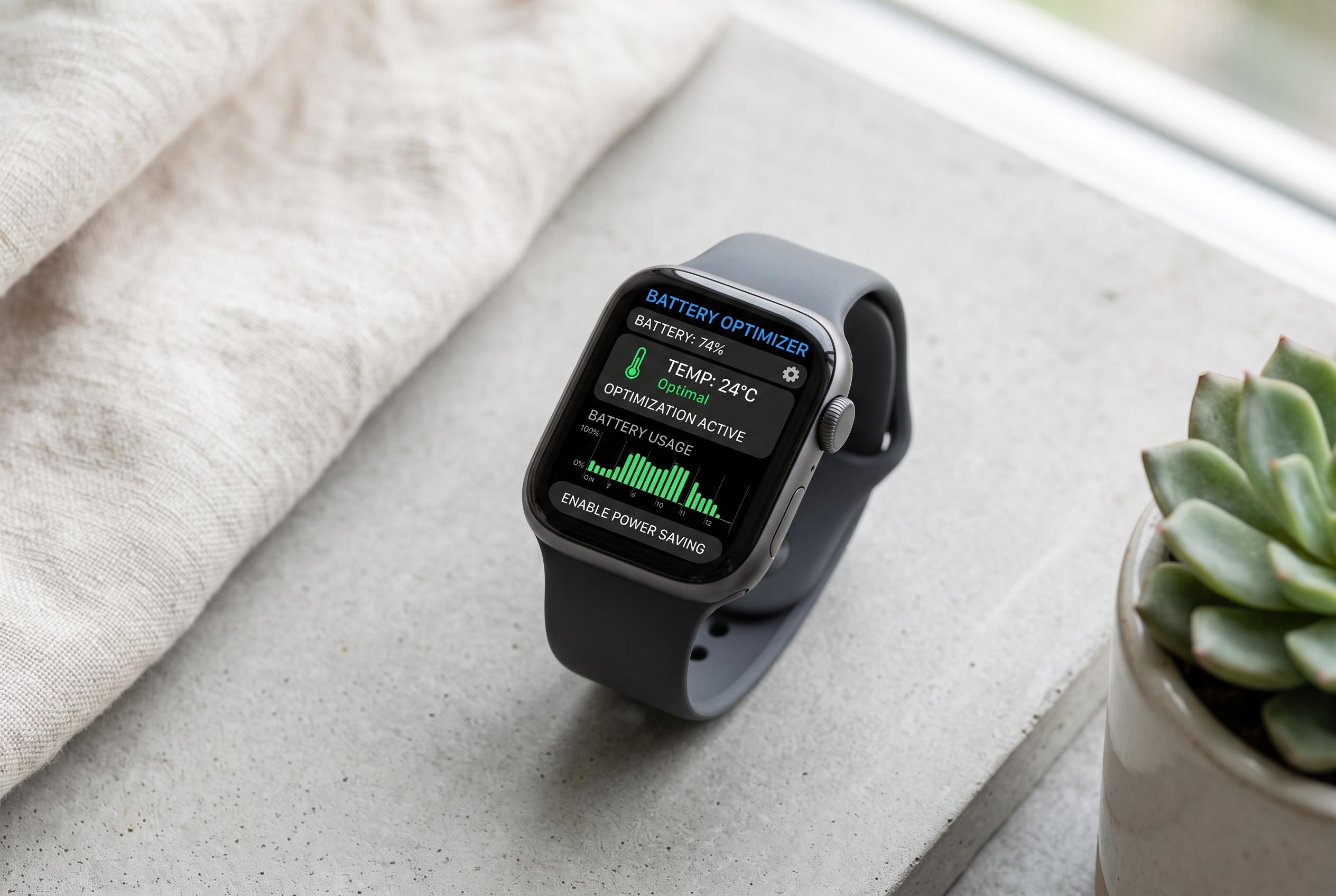

As smartwatches become essential daily accessories, experts reveal updated tips to combat battery decline, emphasising temperature management and optimiser features, amidst increasing device reliance.
Smartwatches have become all-purpose devices, handling alerts, fitness tracking, sleep data and other health functions throughout the day. But many owners eventually notice a familiar problem: the battery no longer lasts as long as it once did. That decline is normal. Apple says battery age is affected by heat, charging habits and the number of charge cycles, while Garmin notes that rechargeable batteries naturally lose capacity over time.
The best way to slow that decline is to reduce strain on the battery wherever possible. One of the most important steps is avoiding high temperatures. Samsung warns that charging or using a Galaxy Watch in extreme heat can shorten battery life and recommends an environment of about 0 to 35C for its devices. That means avoiding direct sunlight, hot cars and other warm surfaces while charging. If the watch becomes unusually hot, it should be left to cool before use or charging continues.
It also helps to use the correct charger. Samsung recommends approved accessories for Galaxy Watch devices, and Apple advises using a compatible magnetic charger for Apple Watch. Incompatible chargers may not only charge inefficiently but can also place extra stress on the battery and charging system. Where the watch offers an Optimised Charging or Charge Limit function, users should turn it on. Apple says its own charging feature can learn a user’s habits and delay charging beyond 80% at certain times to reduce the period spent at full charge.
Other practical measures can improve day-to-day battery life as well. Guides from Smartwatch Trends and Tom’s Guide say the always-on display is often the biggest power drain, so lowering screen brightness, reducing notifications, limiting GPS use and turning off unnecessary voice commands can make a noticeable difference. They also recommend power-saving modes, fewer vibrations and uninstalling unused apps. Another common rule of thumb, set out by Smartwatch Facts, is to recharge when the battery falls to around 20% to 30% and unplug at roughly 80% to 90%, rather than leaving the device on charge for long periods.
Disclaimer: This content is intended for informational purposes only. Readers are advised to exercise their own judgement, conduct due diligence, or consult a qualified expert before acting on any information provided.