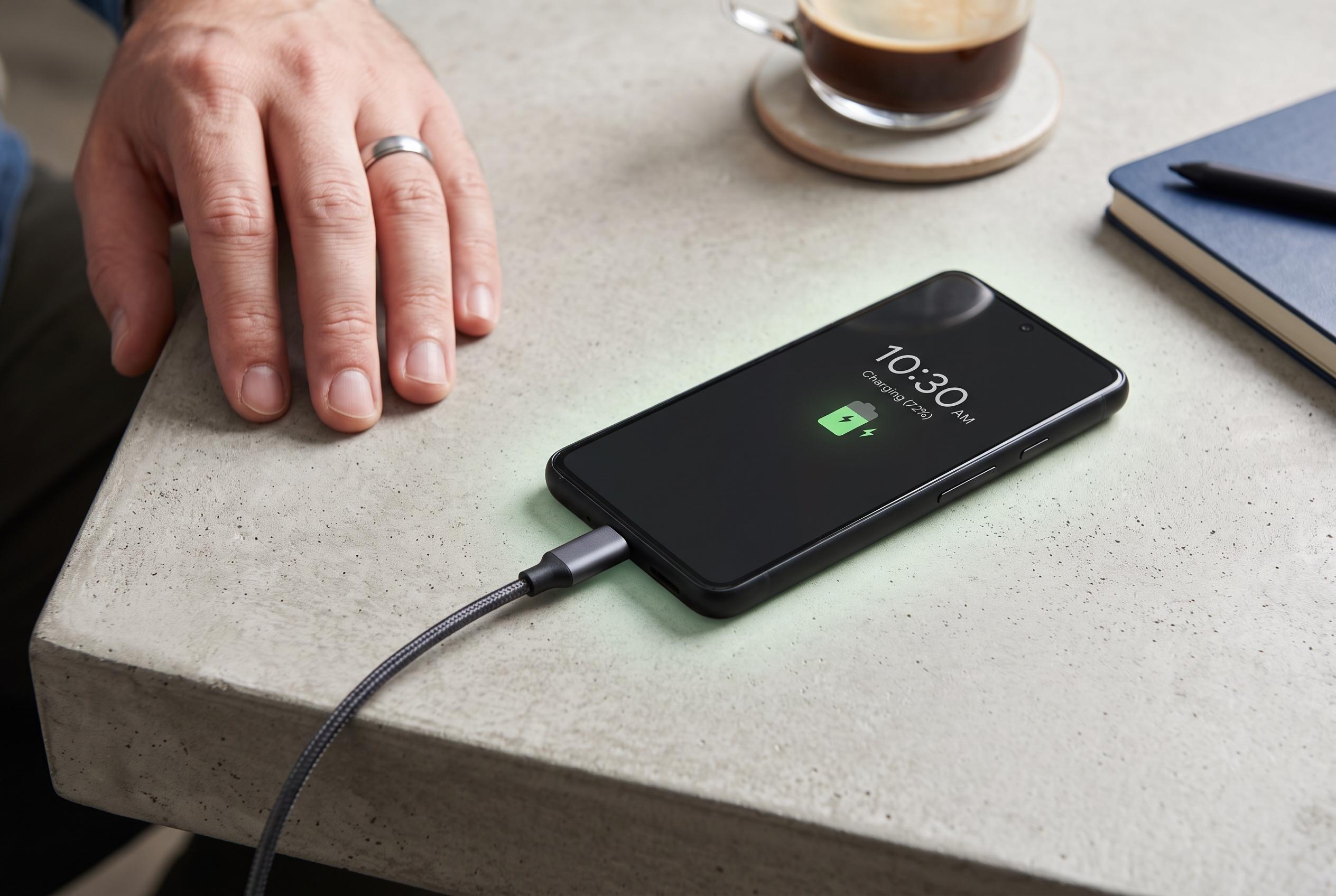

IT expert Vladimir Zykov explains that excessive heat during smartphone charging is more associated with faulty setups and heavy usage than the battery itself, advising users on safe charging practices to prevent damage.
Strong heating during smartphone charging is more often linked to the charging setup or the phone’s workload than to the battery alone, according to IT expert Vladimir Zykov, who spoke to NEWS.ru. He said a faulty adapter, a damaged cable or background apps can all push temperatures higher, while a modest rise in heat is usually normal.
Zykov said users should be concerned when a device becomes uncomfortably hot, switches itself off or displays system warnings. He added that charging should be stopped immediately if there is a burning smell, unusual noises or visible distortion of the case. That advice aligns with other technical guides, which say that poor-quality chargers, incompatible cables, fast charging and heavy use during charging can all contribute to excess heat.
Rather than replacing the battery straight away, Zykov recommended testing the phone with certified accessories known to work properly, removing a thick case and closing unnecessary apps. Other troubleshooting advice from hardware and repair specialists also points to simpler causes, including poor ventilation, dusty charging ports, wireless charging inefficiency and battery ageing. Several guides note that software updates, battery optimisation tools and cooler charging conditions can also help reduce heat build-up.
If the problem continues, or if the device loses power quickly even after basic checks, Zykov said the next step should be a professional service diagnosis of the power circuit. He also advised Android users that battery-monitoring apps can show temperature trends, but they cannot replace a full hardware inspection. As a practical threshold, he said attention is warranted when charging temperatures approach or exceed 45C.
Disclaimer: This content is intended for informational purposes only. Readers are advised to exercise their own judgement, conduct due diligence, or consult a qualified expert before acting on any information provided.