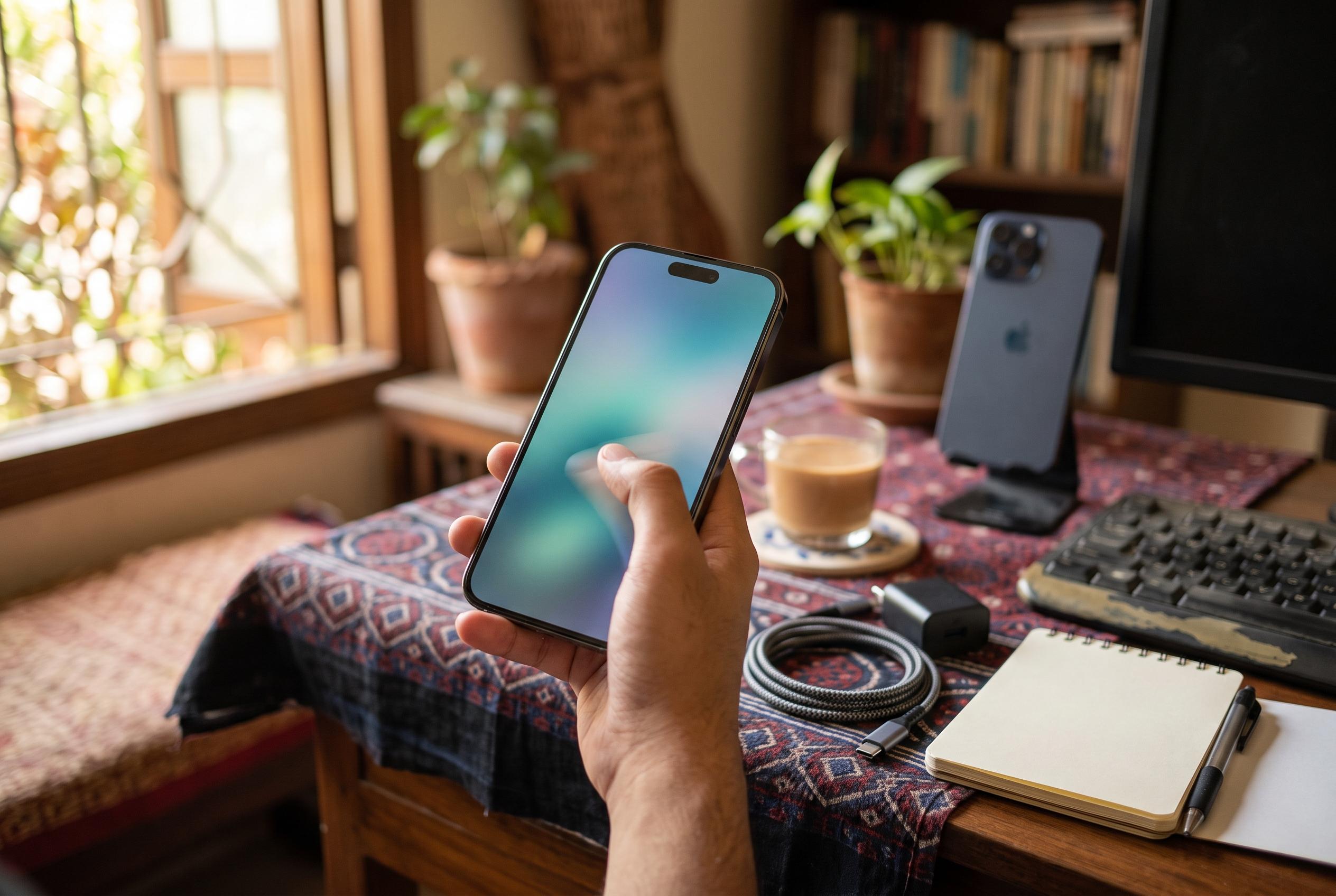

In Pakistan, smartphone shoppers focus on balanced hardware, processor performance, and display quality rather than raw specifications like RAM, highlighting a shift towards practical, use-case-based decision making in a competitive market.
Buying a smartphone in Pakistan is less about chasing the highest specifications and more about matching a device to real use. With prices spread across entry-level, mid-range and premium tiers, the safest approach is to define a budget first and then narrow the field by what the phone will actually do each day. For some buyers that means calls, messaging and social media; for others it means gaming, photography or heavy work use. Guides from local technology sites consistently stress that a clear budget and a clear use case are the best starting points.
It is also important not to judge a phone by RAM alone. More memory can help with multitasking, but overall speed depends on the processor, storage type, software tuning and thermal management. That is why a modestly specified but well-optimised handset can feel quicker in practice than a model that simply advertises a larger RAM figure. Reports from Pakistani buying guides make the same point: buyers should look at the complete hardware package rather than a single headline number.
The processor remains the most consequential component for performance. It affects app launch times, gaming smoothness, image processing and battery efficiency. For demanding titles such as PUBG Mobile or Call of Duty Mobile, chipset and graphics capability matter far more than marketing claims. At the same time, most users do not need the fastest chip on the market; a capable mid-range processor is often sufficient for browsing, streaming and everyday communication, according to recent consumer guides.
Display quality deserves similar scrutiny. Screen size matters, but so do refresh rate, resolution, brightness and panel technology. A 120Hz panel can make scrolling and animation feel noticeably smoother than a standard 60Hz screen, while higher brightness is useful for outdoor use in strong sunlight. Buyers should also consider touch response, colour accuracy and scratch protection, especially if the phone will be used heavily throughout the day.
Camera selection requires the same caution. Megapixel counts do not tell the full story, because sensor quality, lens design, software processing and stabilisation all affect the final image. Pakistani buying guides recommend checking the main camera, ultrawide lens, zoom capability, video recording and low-light performance before making a decision. For many buyers, a reliable 50MP camera with good processing will produce better results than a higher-resolution sensor with weaker software support.
Battery life and charging speed are equally practical considerations. A larger battery may help, but endurance also depends on the chipset, display and network conditions. Fast charging has become especially useful for users who travel or spend long periods away from a charger. Storage should be judged in the same way: 128GB may be enough for light use, but heavy photo, video and gaming users may need 256GB or more, and expandable storage can be a valuable extra on lower-cost devices.
In Pakistan, buyers must also check PTA registration and network compatibility before paying. Imported or unofficial phones can carry extra costs or restrictions if they are not properly registered, which may leave the buyer with a handset that does not work normally on local networks. Local technology guides also recommend comparing several phones side by side, including price, performance, display, battery, cameras, software and warranty. The result is usually a more balanced purchase and better value for money.
Disclaimer: This content is intended for informational purposes only. Readers are advised to exercise their own judgement, conduct due diligence, or consult a qualified expert before acting on any information provided.