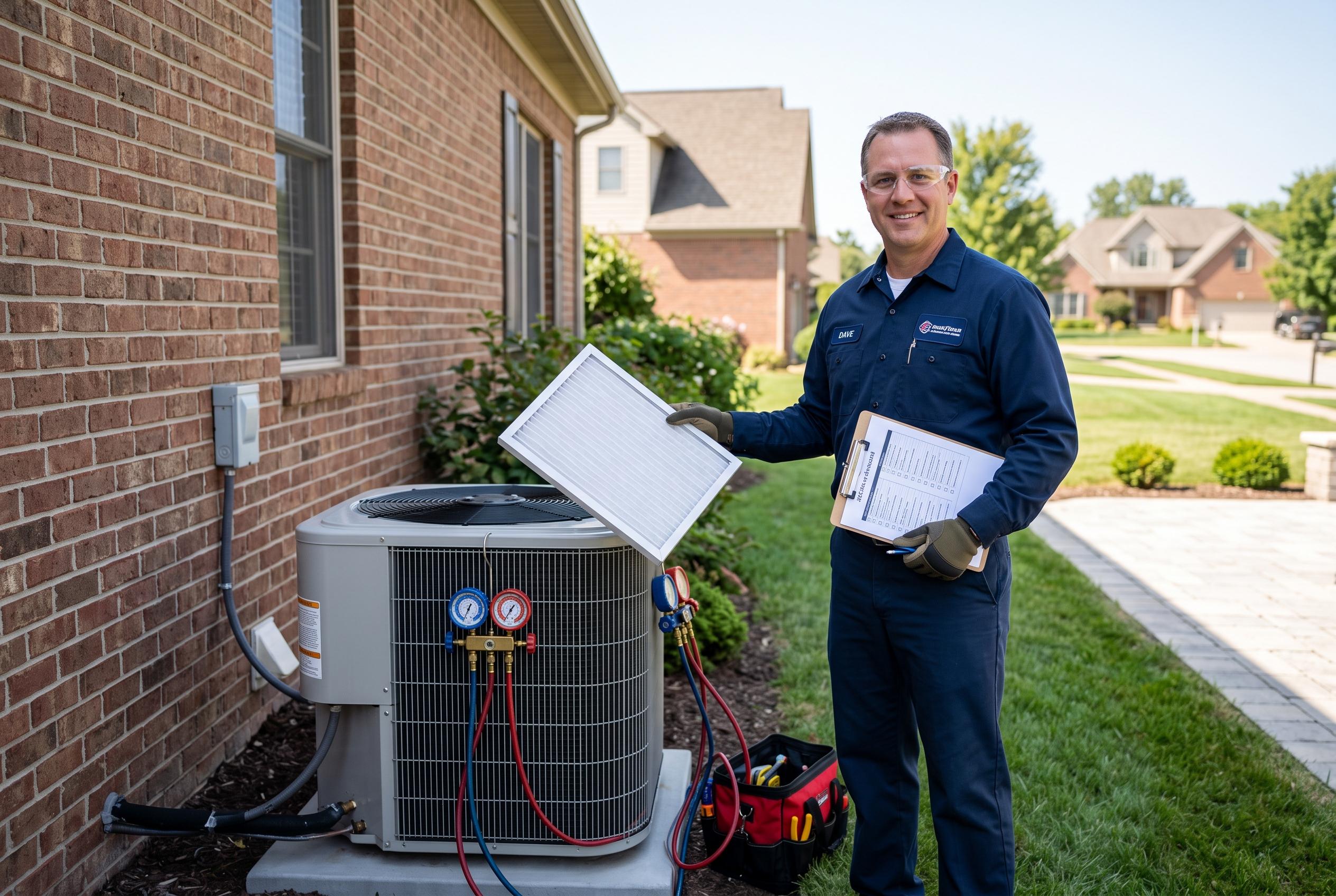

Regular upkeep such as cleaning filters, inspecting outdoor units, and professional tune-ups can extend system lifespan and improve efficiency, experts confirm.
Regular maintenance is the simplest way to avoid costly air conditioning failures. The core message across industry checklists is consistent: keep air moving, keep the outdoor unit clean and do not allow small faults to linger. HVAC specialists say dirty filters, blocked coils and neglected drain lines are among the most common causes of reduced efficiency and premature breakdowns.
One of the most important tasks is cleaning the condenser and checking the air filter on a set schedule. Maintenance guides recommend inspecting or replacing the filter monthly, with extra attention during heavy use, while the outdoor unit should be kept free of dust, leaves and other debris. Several checklists also advise homeowners to listen for unusual noise, look for weak airflow and make sure vents and return grilles are not obstructed, as these are often early signs of trouble.
Temperature settings matter as well. HVAC advice warns against driving the thermostat too low, because doing so does not cool a home faster; it simply forces the compressor to run longer and raises the risk of frozen coils and mechanical strain. Some specialists say a comfortable and efficient range is roughly 72F to 78F, while energy-saving guidance notes that each degree above 72F can trim electricity use by up to 3%.
Routine professional servicing adds another layer of protection. Maintenance checklists commonly recommend tune-ups twice a year, with annual servicing often needed to keep warranties valid. They also note that regular upkeep can extend system life by several years and reduce the likelihood of expensive emergency repairs. In practice, the evidence points to the same conclusion: AC failures are usually the result of preventable wear building up over time.
Disclaimer: This content is intended for informational purposes only. Readers are advised to exercise their own judgement, conduct due diligence, or consult a qualified expert before acting on any information provided.