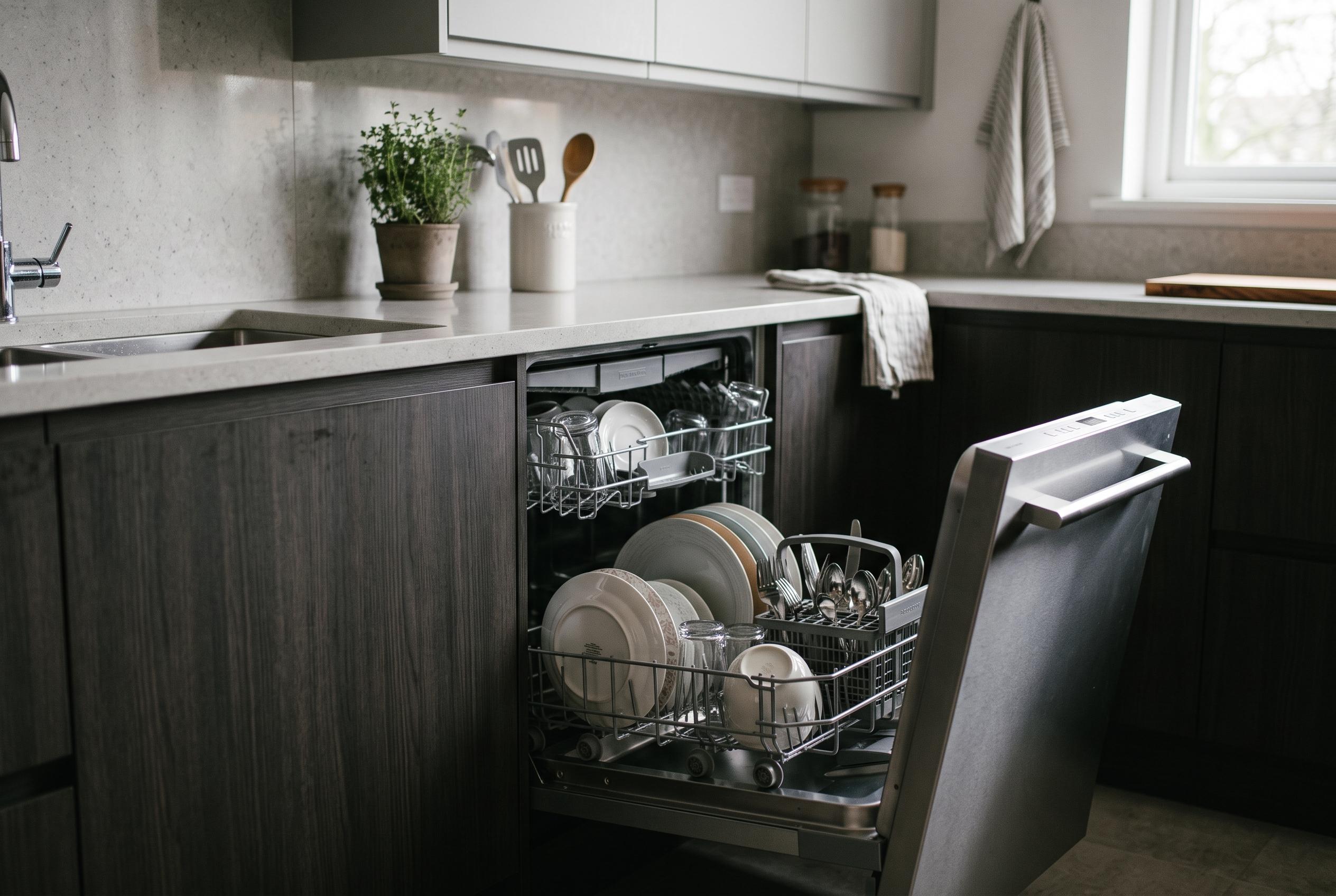

Correct detergent choice, regular filter cleaning, and appropriate cycle selection are essential to prevent common dishwasher problems and ensure optimal performance, as experts warn against typical user errors.
A dishwasher is designed to reduce daily labour, but it still depends on correct use and routine maintenance. According to the article by Homestead How-To, several common habits can undermine cleaning performance, create odours and shorten the life of the appliance. Industry guidance from appliance makers and consumer groups broadly supports that view: the most avoidable problems usually start with detergent choice, food debris, blocked filters and poor cycle selection.
One of the clearest mistakes is reaching for ordinary washing-up liquid when dishwasher detergent has run out. Enviroliteracy.org warns that regular dish soap can generate excessive foam in a dishwasher, which may overflow and place stress on the pump and motor. The correct detergent is formulated for high-temperature, high-pressure washing without heavy sudsing, so using the wrong product can turn a simple shortage into a mess and a repair bill.
Food residue is another common source of trouble. Bosch says the filter is meant to trap debris so it does not recirculate, clog the drain or settle back on to plates. Consumer Reports adds that manual filters need regular cleaning, and that the safest approach is to remove the filter, rinse it under running water and use mild soap with a soft brush if needed. Leaving large scraps in the tub can also contribute to unpleasant smells, especially if they sit through repeated cycles.
The cycle itself matters as much as the load. Tom’s Guide notes that short or cool programmes are not suitable for greasy pans, dried-on food or heavily soiled plates, because the wash may not last long enough for detergent to work properly. That is consistent with the advice to match the setting to the level of soil rather than treating every load the same. Starting with hot water from the tap can also help the machine reach effective washing temperature faster, particularly where the plumbing leaves standing water in the pipes.
It is also unwise to ignore warning signs. Strange noises, poor drainage and persistent grime usually indicate a specific fault rather than a temporary glitch. Home Depot and KitchenAid both advise routine filter cleaning as part of basic care, and some models use self-cleaning systems instead of manual filters. For machines without that feature, keeping the filter clear, using the right detergent and choosing the proper cycle are the most practical steps for preserving performance and avoiding unnecessary strain.
Disclaimer: This content is intended for informational purposes only. Readers are advised to exercise their own judgement, conduct due diligence, or consult a qualified expert before acting on any information provided.