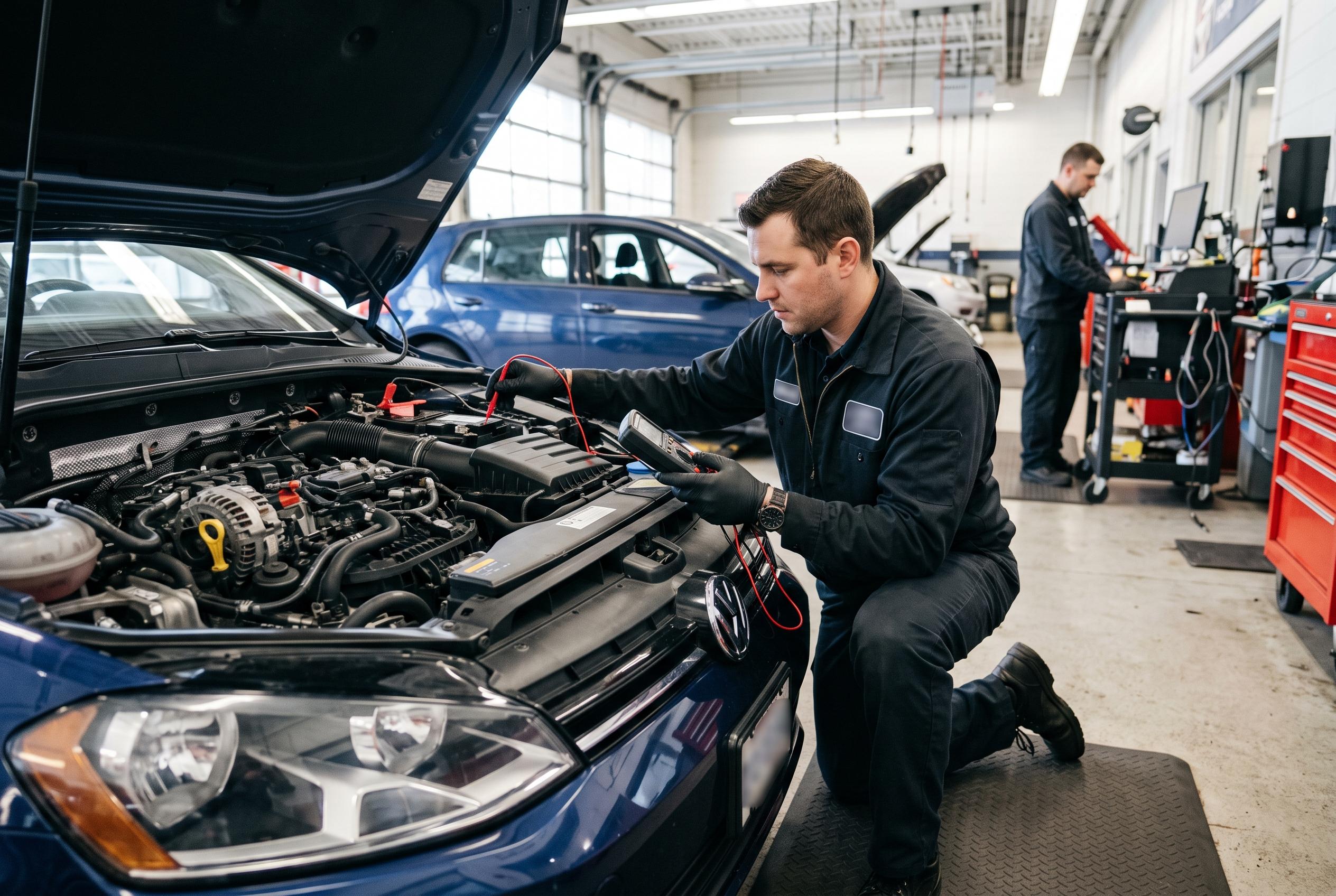

Repeatedly flat car batteries may point to underlying electrical problems like parasitic drain or charging faults, rather than the battery itself. Proper diagnosis involves testing the battery, checking the charging system, and inspecting electrical connections to prevent unnecessary replacements.
A car battery that repeatedly goes flat is not always the real fault. In many cases, the battery is only the part that shows the problem first, while the underlying cause lies elsewhere in the electrical system. If a vehicle still refuses to start after a recent recharge or replacement, the more likely issues include unwanted power draw while parked, a charging fault, or poor electrical connections.
One of the most common explanations is parasitic drain, which happens when a circuit continues to consume power after the engine has been switched off. MotorLogic and CarCareTotal both note that this can be caused by interior lights, luggage-compartment lamps, aftermarket accessories, tracking devices, or other electrical additions that were fitted later. In such cases, the battery may be sound, but its charge is being slowly drained while the car is standing still.
Another frequent cause is a charging system fault. The alternator, which is responsible for producing electricity while the engine runs and replenishing the battery, may not be delivering enough output. MotorLogic says a car may start after a jump-start or external charge and then fail again later if the alternator or voltage regulator is not working correctly. A worn or slipping drive belt can also interfere with charging by preventing the alternator from turning properly.
Battery terminals should also be checked carefully. Corrosion, dirt, or loose connections can restrict current flow and create symptoms that resemble battery failure, including slow cranking, dim lights, or unstable electrical behaviour. Tata Green Battery and MotorLogic both highlight terminal condition as a basic but important part of diagnosis, because a weak connection can stop the charging system from fully topping up the battery during normal driving.
Age remains a major factor as well. Lead-acid batteries lose capacity over time, and their ability to hold charge declines gradually before failure becomes obvious. MotorLogic notes that a battery may appear to work one day and fail suddenly the next, particularly after exposure to heat or after a cold morning start. That is why simply recharging a battery is not enough to confirm that it is healthy; proper load testing is needed to see whether it can still supply the current required to start the engine.
Regular inactivity can make the problem worse. Halfords advises that modern cars still draw a small amount of power when parked, so leaving a vehicle unused for long periods can discharge the battery even if nothing is visibly wrong. The same applies when drivers add audio systems, screens, lighting, or tracking equipment without correct wiring. If the battery keeps dying after such changes, the installation should be inspected before the battery is replaced again.
When a battery goes flat repeatedly, the sensible approach is to test the battery first, then check charging output, and finally look for an electrical drain while the vehicle is parked. If the car needs frequent jump-starts, if dashboard warnings point to a charging fault, or if there are signs of overheating, smoke, or a burning smell, the vehicle should be examined by an auto-electrician without delay. The key point is simple: repeated battery failure is often a symptom, not the root cause.
Disclaimer: This content is intended for informational purposes only. Readers are advised to exercise their own judgement, conduct due diligence, or consult a qualified expert before acting on any information provided.