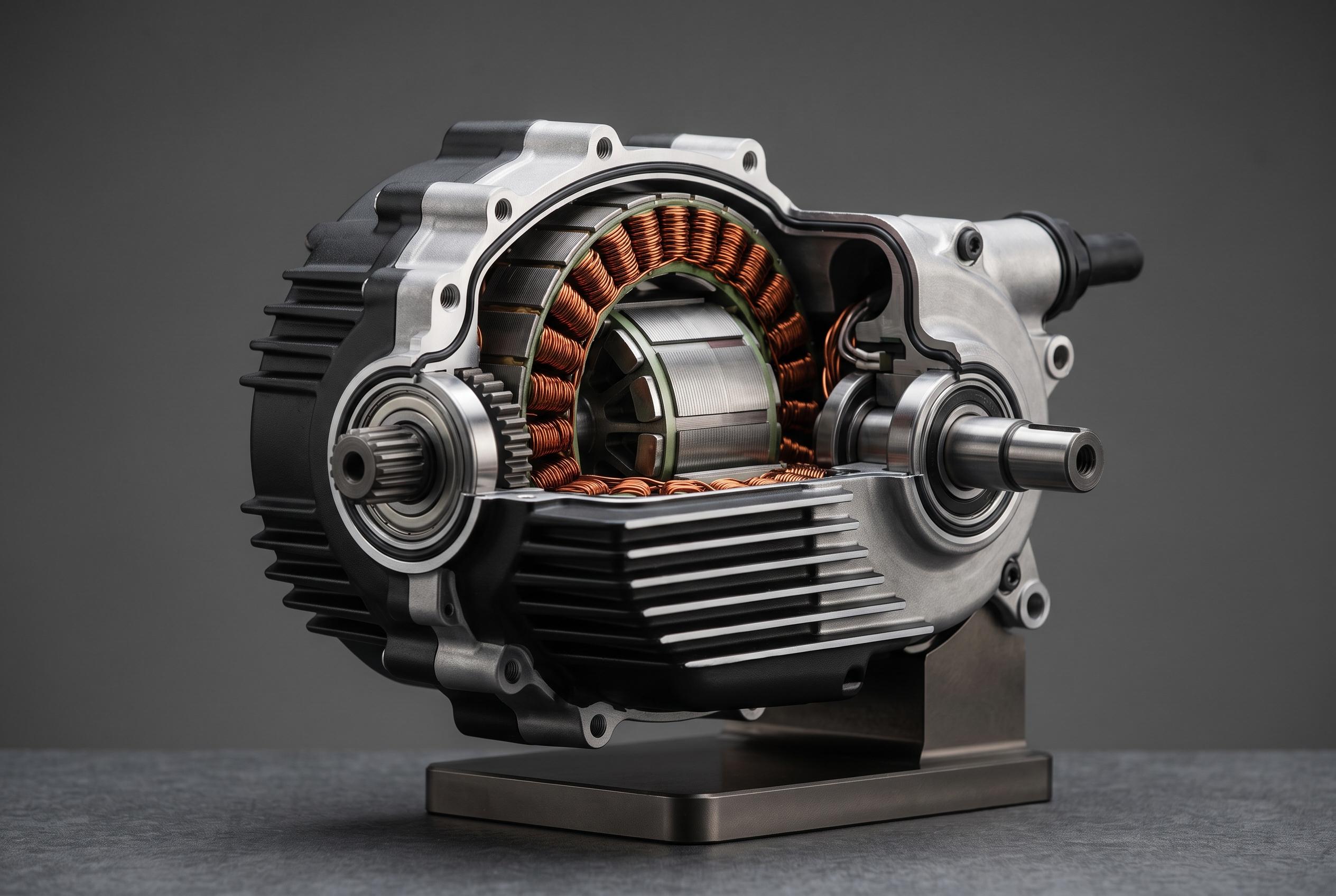

Regular inspection and proper care are vital for e-bike motors, with emphasis on water ingress prevention, heat management, and component checks to ensure optimal performance and longevity.
Electric bike motors are usually sealed and designed to need little routine intervention, but they are not maintenance-free. The main risks are water ingress, heat build-up and neglected connections, all of which can shorten service life and affect assist quality. Maintenance also varies by motor layout: mid-drive systems place more strain on the chain and cassette, while hub motors shift more stress into the wheel and axle area. According to maintenance guides from REI, BikeTips and E-Bike GearLab, the safest approach is regular inspection rather than occasional major repair.
Cleaning is the first line of protection. Use a soft brush to remove dry grit, then wipe the motor casing with a damp cloth and mild soap. Avoid pressure washers and direct high-pressure spray, which can force moisture past seals and into bearings or electronics. After wet rides, dry cable entry points, connector housings and any rubber grommets carefully. Several e-bike maintenance guides also advise checking that external seals remain intact before and after washing or riding in rain.
Heat management matters just as much. On mid-drive bikes, climbing in too high a gear can make the motor labour at low cadence, which increases current draw and temperature. Shifting down on hills reduces strain on the motor and drivetrain. If the housing becomes unusually hot after hard use, allow it to cool before continuing. Guidance from AMZcycle and other maintenance manuals also notes that keeping ventilation surfaces clear of packed dirt can help preserve airflow where the motor design allows it.
Mechanical checks should follow the motor type. Mid-drive bikes need regular attention to chain wear, cassette wear and crank-arm fasteners because the motor’s power passes through the drivetrain. Hub motors need close inspection of axle nuts, torque arms and spoke tension, since the motor loads the wheel directly. E-bike maintenance references from BikeTips, E-Bike Lab and REI all stress that these components wear faster on electric bikes than on conventional bicycles, so torque checks and wheel truing are not optional extras.
Electrical checks are equally important. Inspect the wiring harness for abrasion, pinch points and loose connectors, and look for corrosion on contact pins. If a display shows intermittent assist, sensor faults or unexplained cut-outs, clean and reseat the visible connections before opening the motor itself. Most major manufacturers treat internal motor units as sealed assemblies, and professional servicing is usually the safer route if faults persist or noise, drag or overheating appears.
Battery care also affects motor reliability. Store the battery partly charged in a dry, temperate place if the bike will not be used for a while, and avoid charging a pack that is still cold or wet. For regular riding, a simple schedule works well: check tyres, brakes, battery lock and motor connections before every ride; clean and lubricate the drivetrain weekly or every hundred to one hundred and fifty miles; inspect brake wear, fasteners and electrical connections monthly; and arrange a professional service at least once a year. That approach keeps the motor working within its design limits and reduces the chance of costly failures later. E-Bike GearLab, REI and Tom’s Guide all support this preventative pattern of care.
Disclaimer: This content is intended for informational purposes only. Readers are advised to exercise their own judgement, conduct due diligence, or consult a qualified expert before acting on any information provided.