
Homeowners are advised to prioritise regular inspections and timely battery replacements for backup sump systems to ensure functionality during power outages and heavy storms, according to plumbing experts.
A battery backup sump pump that stays silent during an outage is often failing for a basic reason: the system no longer has the power, signal, or mechanical freedom to start. Reichelt Plumbing says the most common culprit is an ageing battery, but maintenance guides from other plumbing and waterproofing specialists point to a wider set of risks, including worn components, poor installation and missed inspections. Regular testing matters because a system can appear healthy in calm weather and still fail when storm conditions and power loss coincide.
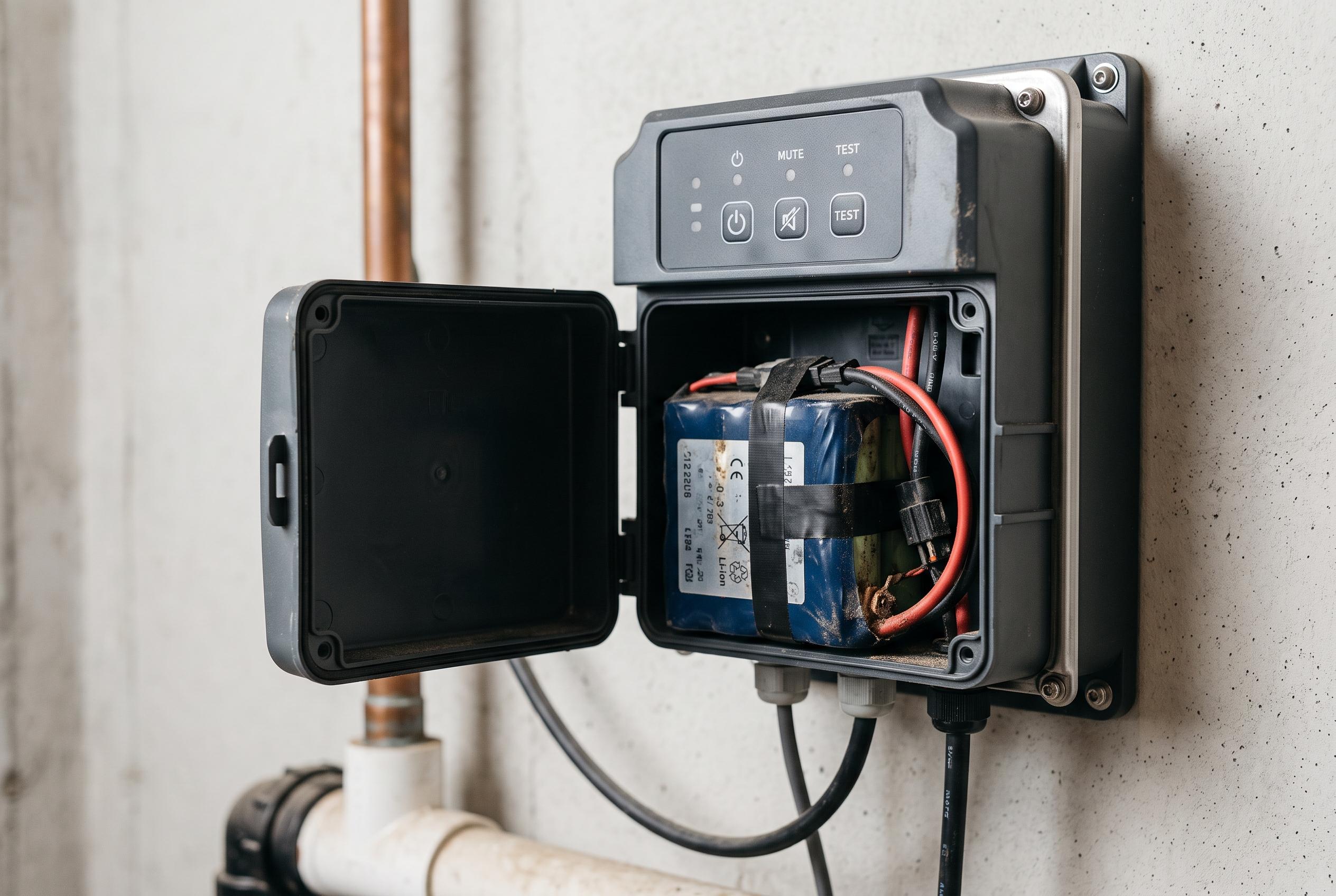
A backup sump system depends on three parts working together: the battery and charger, the float switch, and the DC pump motor. If the battery cannot deliver current under load, the float does not rise freely, or the motor or control circuit fails, the pump will not activate. That is why a simple voltage check is not enough. A battery can show an acceptable reading at rest and still collapse when asked to run a motor. Several maintenance guides recommend testing by pouring water into the pit and confirming that the pump starts, moves water and shuts off properly.
Age is one of the clearest warning signs. Reichelt Plumbing says standard wet-cell batteries generally last three to five years, while AGM units often last longer, but even those can lose usable capacity before they fail visibly. Other industry guides note that many sump pumps themselves have a service life measured in years rather than decades, which makes age-based replacement and inspection a practical safeguard. For homeowners, that means a battery that is over several years old should be treated as a weak link even if it still appears charged.
Installation and environment also matter. If the float switch is set too high, tangled, obstructed by debris or trapped against the pit wall, the backup pump may never receive the command to start. Corrosion on terminals and cable lugs can also stop enough current reaching the motor, especially in the damp conditions found around sump pits. Guides from several plumbing and foundation specialists also warn that clogged discharge lines, blocked intake paths and worn impellers can cause failure even when the electrical side looks sound.
The stakes are higher in regions that face both heavy rain and power interruptions. Reichelt Plumbing points to Northwest Indiana’s storm seasons as a period when groundwater pressure and outages can hit at the same time, leaving a basement exposed precisely when a backup pump is needed most. That is why experts commonly advise homeowners to inspect the discharge line, check valve, battery terminals and float movement at least twice a year, and to replace ageing batteries before they create a false sense of security. In practice, a backup pump is only reliable if it is tested under conditions close to real use, not merely powered on briefly.
Disclaimer: This content is intended for informational purposes only. Readers are advised to exercise their own judgement, conduct due diligence, or consult a qualified expert before acting on any information provided.