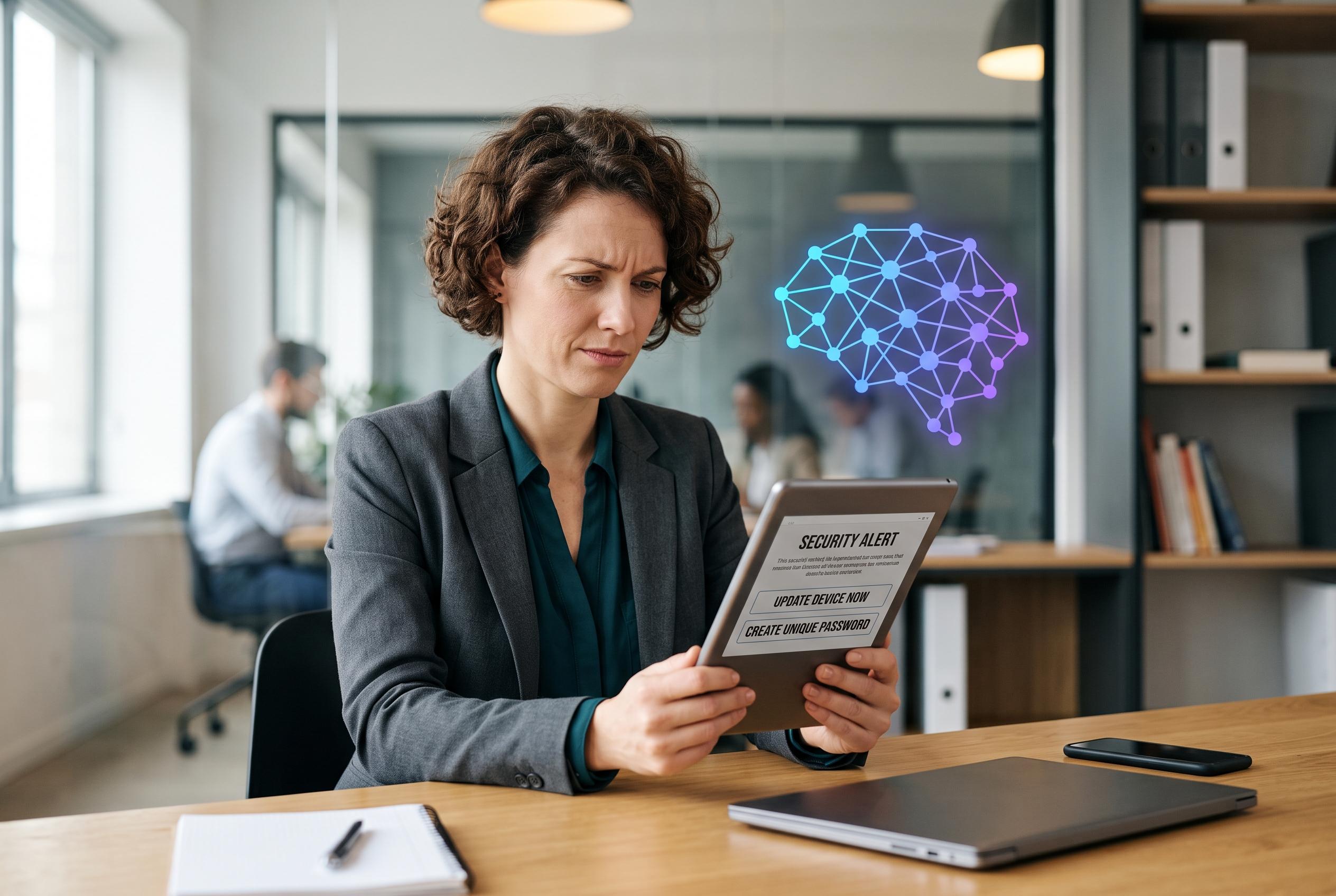

As AI-driven scams become more convincing, everyday users must adopt basic cybersecurity habits like unique passwords, scepticism, and device updates to stay safe online.
Most people still treat cybersecurity as a problem for banks, major companies and IT teams, yet the most frequent targets are ordinary users. Attackers usually are not chasing one person in particular; they are looking for the easiest way in. A reused password, a convincing fake message or an unlocked phone can be enough, and recent research suggests that many people remain overconfident about their ability to spot the traps. Darktrace found that while 80% of US workers believed they could identify phishing emails, only 32% spotted them in a controlled test.
That gap matters because phishing has become more polished. TechRadar reported that modern scams increasingly benefit from artificial intelligence, which can produce messages that look clean, professional and urgent without the obvious spelling mistakes that once gave them away. The advice remains simple: slow down, check the sender carefully and go directly to the website or app rather than tapping a link in an unexpected message. If a message claims to be from a bank, delivery firm or even a family member asking for money, verification through a separate channel is still the safest response.
Passwords remain another weak point. Jeremiah Fowler’s 2026 analysis, cited by TechRadar, found that only 15% of passwords met strong security standards, while 85% were still weak or predictable. Cybernews, as reported by Tom’s Guide, said more than 19 billion passwords had been compromised since April 2024 in over 200 breaches, with only 6% unique. That is why security experts continue to recommend unique passwords for every important account, a password manager to handle the load and two-factor authentication so a stolen password is not enough on its own. IT Pro has also argued that password hygiene alone is no longer a long-term answer, with passkeys and other passwordless methods likely to become more important over time.
Phones deserve special attention because they are now the main device for banking, messaging and social media for many people. Keeping the operating system updated, installing apps only from official stores and checking permissions can block a surprising number of threats. Public Wi-Fi and shared computers also create risks, especially if users log into sensitive accounts without extra protection or forget to sign out afterwards. Even social media habits matter: oversharing location details, routines or personal information can give scammers the material they need to impersonate someone convincingly or answer security questions.
The basic habits that reduce risk are not complicated, but they are easy to ignore. Backing up important files can turn theft, ransomware or accidental deletion into a manageable problem rather than a catastrophe. Used together, these small steps create a strong defence: unique credentials, healthy scepticism, updated devices and more careful sharing. As more daily life moves online, from education to banking to government services, digital safety is becoming less of a specialist skill and more of a basic requirement of modern life.
Disclaimer: This content is intended for informational purposes only. Readers are advised to exercise their own judgement, conduct due diligence, or consult a qualified expert before acting on any information provided.