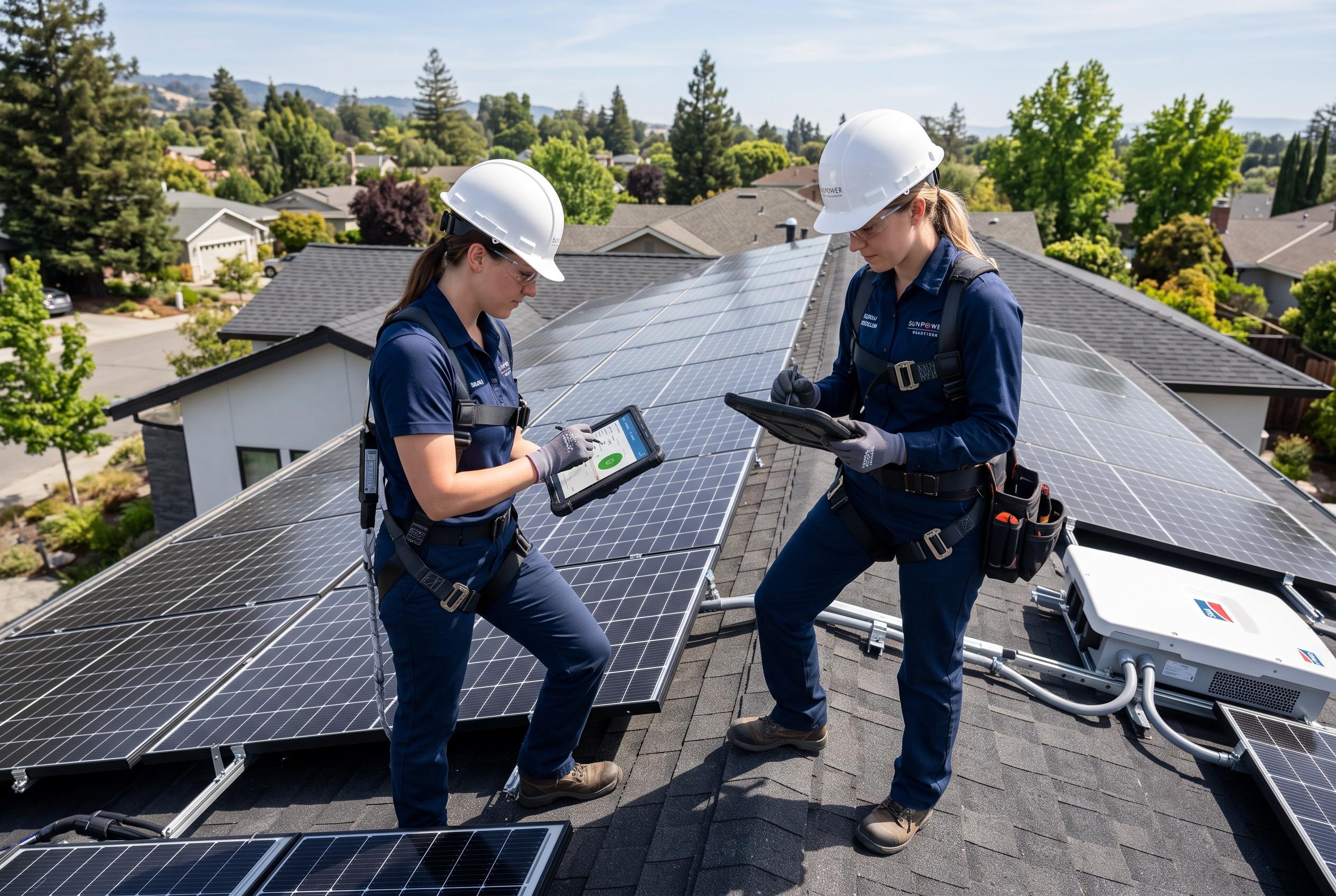

Homeowners can significantly boost rooftop solar performance through basic maintenance, better use of stored power, and optimising energy timing , all without major hardware changes, enabling faster payback and greater self-sufficiency.
Homeowners looking to improve the economics of rooftop solar do not necessarily need major hardware changes. According to BGR, the biggest gains often come from basic maintenance, better use of stored power and shifting demand to match daytime generation. The result is more useful electricity from the same system and a shorter path to payback.
The first priority is keeping panels clean and free from shade. Dust, grime and bird droppings can block incoming light, while overgrown branches can drag down output far more than many owners expect because one shaded panel can affect the performance of an entire string. Industry guides on solar efficiency say regular cleaning can prevent output losses of 15% to 30%, and that higher temperatures also reduce performance, with panels generally working best at around 25C. In practice, that means simple washing, routine inspections and careful pruning can make a measurable difference.
The second step is adding battery storage. BGR notes that many systems produce surplus electricity during the brightest hours, but without a battery that excess is effectively wasted unless the home can use it immediately. A storage unit allows that power to be saved for the evening and night, when household demand usually rises and solar generation stops. That is especially useful for families seeking greater self-consumption and less reliance on the grid.
The third lever is timing energy use more carefully. BGR says the cheapest way to improve solar value is to run heavy appliances during the middle of the day, when panels are producing most strongly. That includes washing machines, dishwashers, dryers and pumps, as well as charging electric vehicles and portable power stations. If the house is empty in daylight hours, delayed-start settings or smart plugs can automate the shift. Solar guides from other suppliers also point to power optimisers and maximum power point tracking, or MPPT, as useful upgrades because they help each panel or inverter extract more usable electricity under less-than-ideal conditions.
Taken together, these measures do not change the basic physics of solar power, but they do improve how much of that power reaches the home. For owners weighing the cost of panels against long-term savings, the message is simple: cleaner modules, smarter timing and, where justified, storage and control equipment can all raise returns without a full system overhaul.
Disclaimer: This content is intended for informational purposes only. Readers are advised to exercise their own judgement, conduct due diligence, or consult a qualified expert before acting on any information provided.