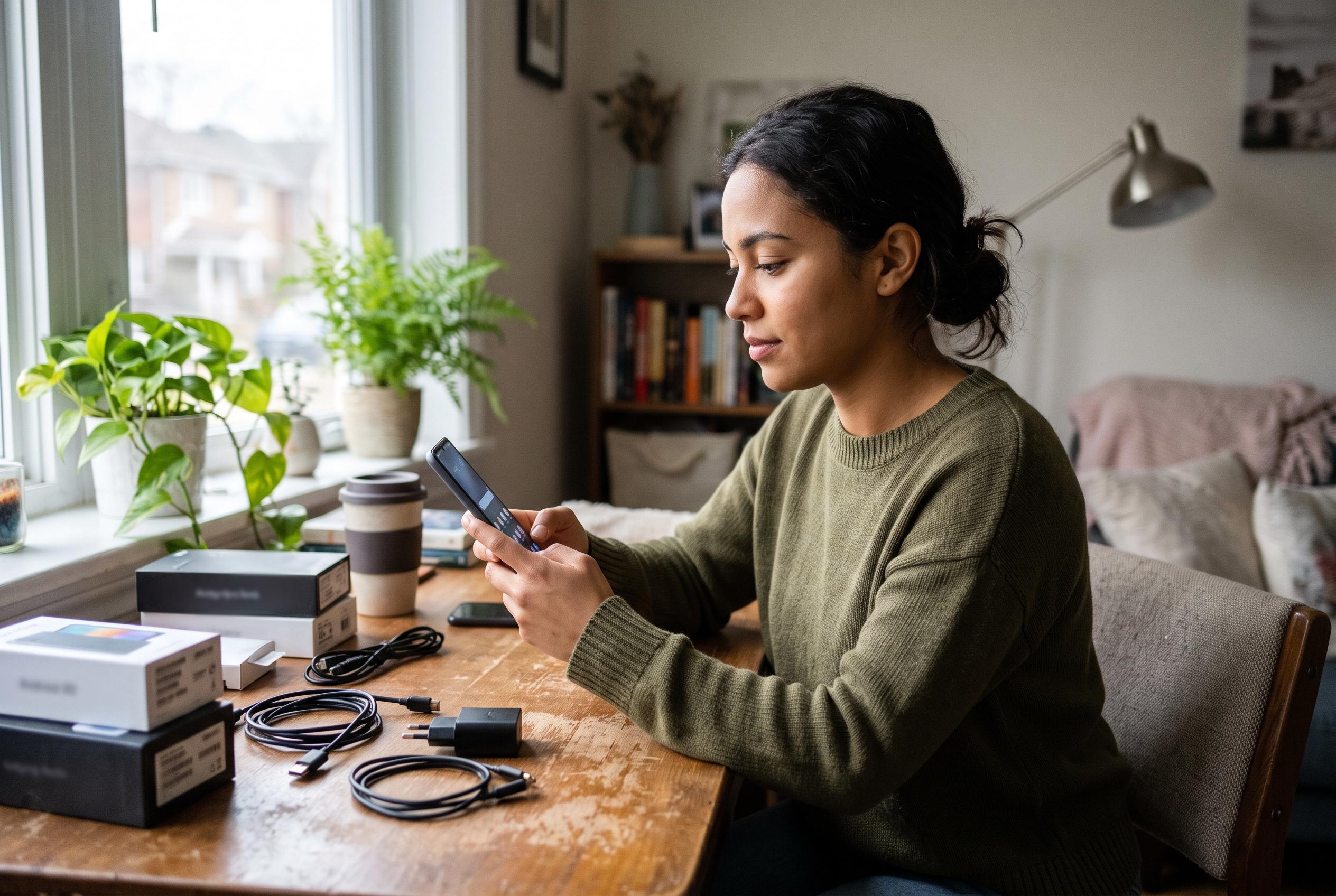

A cheap Android phone is only a bargain if it remains responsive, charges quickly and receives security updates for years. These are the specifications worth prioritising before you buy.
A cheap Android phone can look like a sensible saving until it starts slowing down at the wrong moment. For anyone who relies on a handset for work, travel or day-to-day admin, the real cost of a poor device is often measured in delays, not just pounds or dollars. The central point is simple: an affordable phone should still feel responsive, hold enough apps in memory and remain secure for years, rather than becoming a frustration within months.
One useful baseline is 6GB of RAM. Reports aimed at Android buyers generally agree that this is the point at which a budget handset can cope with calls, messaging, browsing and a normal spread of everyday apps without constant reloading. That said, more memory is not a cure-all. Guides on Android hardware consistently note that overall speed still depends on the processor, storage quality, thermal design and how well the software is tuned. A phone with 6GB of RAM can be perfectly adequate for light use, but it will not rescue weak hardware elsewhere, and frequent multitasking may still justify 8GB or more.
Charging speed matters just as much in practical terms. Industry guides on Android wired charging show that a large share of phones still sit below 33W, even though faster systems are now common in newer devices. For a budget buyer, 25W is a sensible floor. It is not cutting-edge, but it should be quick enough to make short top-ups meaningful during a busy day. That is especially important because battery size alone tells only part of the story; a large cell paired with very slow charging can still leave the user waiting longer than they should.
Security support is the third area that should not be treated as optional. If a handset is being bought used or refurbished, at least three years of security updates is a practical minimum. That matters because budget phones are often kept longer, handed down within households or purchased well after launch. A device that no longer receives fixes may still switch on and run apps, but it becomes a weaker proposition for anyone storing personal data, banking information or work messages on it. In that sense, support life is not a bonus feature; it is part of the value.
Display quality, Bluetooth version and other extras can certainly improve the experience, but they sit lower on the list than memory, charging and software support. A budget Android phone does not need to match a flagship on every specification. It does need to avoid the obvious compromises that make basic use feel slow, inconvenient or unsafe. For most buyers, that means choosing the cheapest model that still meets those core thresholds, rather than the one that merely looks good on the box.
Disclaimer: This content is intended for informational purposes only. Readers are advised to exercise their own judgement, conduct due diligence, or consult a qualified expert before acting on any information provided.