
As reliance on portable power grows, understanding the practicalities of charging options, from portable batteries to wired solutions and airline regulations, has become vital for travellers and outdoor enthusiasts alike.
When a phone battery is low and no wall socket is near, the most practical answer is usually stored power. A compact power bank remains the most reliable option for most people, while laptops, car chargers and some USB ports in hotels or public venues can serve as slower fallbacks when the usual charger is missing. Wireless pads and solar panels are useful in specific settings, but they are not the first choice when a quick rescue charge matters.
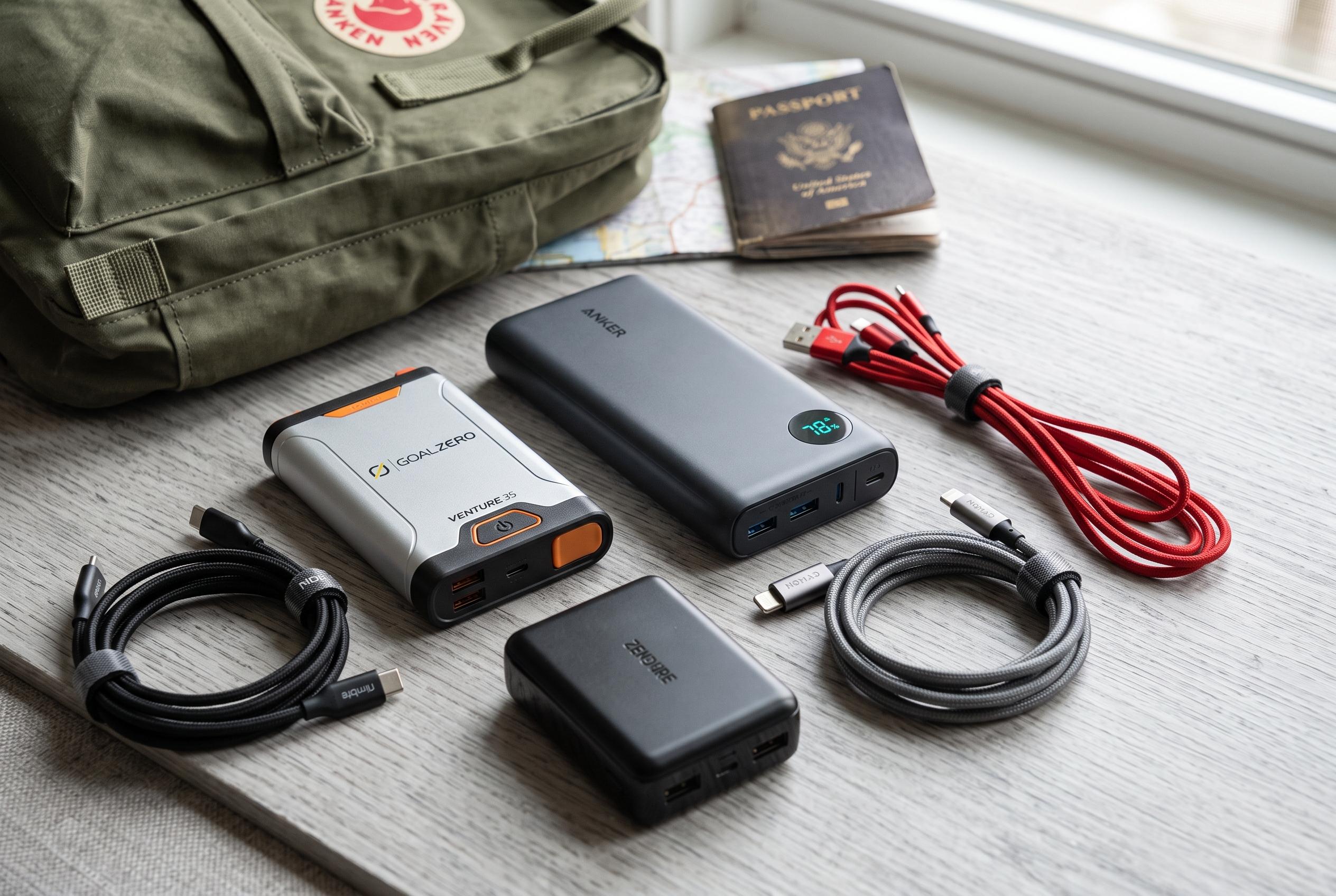
Capacity matters, but not in the simple way the number on the box suggests. A 5,000mAh to 10,000mAh battery pack is generally enough for emergency top-ups, while larger units are better suited to longer trips or keeping more than one device alive. The printed capacity is not a direct promise of full phone charges, because energy is lost in conversion and charging conditions vary. Build quality, output speed and the charging standard supported by the pack are just as important as size.
That is why the best purchase is the one matched to the phone, not the biggest battery available. A unit that supports the right fast-charging standard will do far more useful work than a high-capacity pack with a weak output profile. Some models also include built-in cables, which reduces the chance of being stranded without the one accessory that actually makes the pack useful.
If no power bank is available, the next best option is a direct wired connection. A laptop USB port can provide enough power to keep a dead phone going, although slowly. Car chargers remain practical for navigation and longer journeys, and some televisions still offer USB ports that can supply a trickle charge. Public USB stations are convenient, but security guidance from the FBI has long warned against unknown data connections, which is why a charge-only cable or data blocker is a sensible precaution.
Solar charging is best treated as a backup for outdoor travel, not as a substitute for a wall socket. REI notes that solar panels on portable chargers usually replenish an internal battery rather than power a phone efficiently on their own. In practice, that means solar is useful for camping, hiking or extended outages, where time is less urgent. It is far less effective for anyone who needs a same-day charge at home, in an office or while travelling through a city.
Air travel adds another layer of rules. The FAA says spare lithium-ion batteries, including power banks, must go in carry-on baggage, not checked luggage. The relevant figure is watt-hours, not milliamp hours, and banks between 101Wh and 160Wh usually need airline approval. Recent guidance from aviation authorities has also reinforced the need to protect battery terminals and avoid damaged or swollen packs. The safest habit is simple: charge the power bank before leaving home, keep it in carry-on, and check the carrier’s own policy before flying.
Disclaimer: This content is intended for informational purposes only. Readers are advised to exercise their own judgement, conduct due diligence, or consult a qualified expert before acting on any information provided.