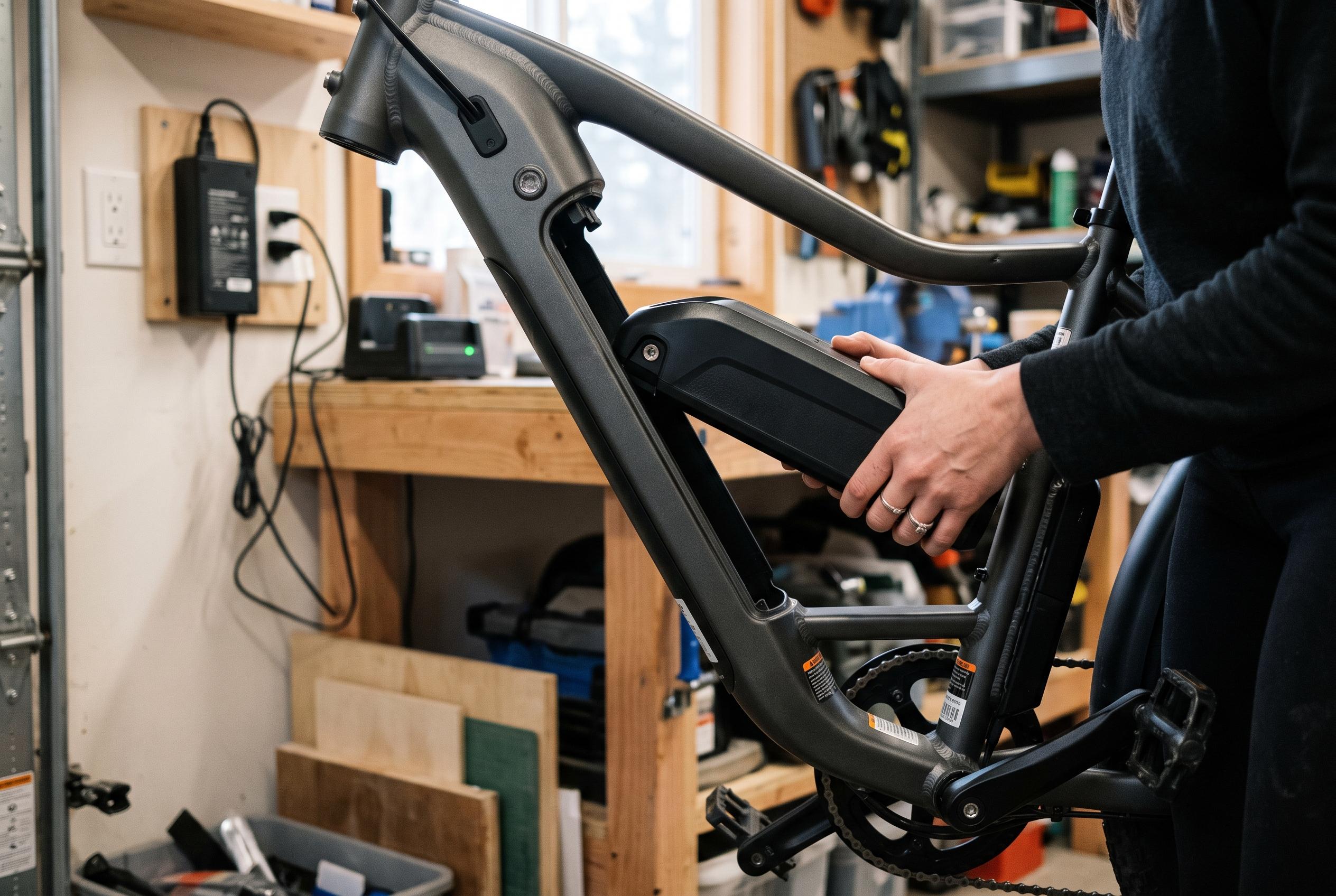

A UL mark can refer to an e-bike’s complete electrical system or only its battery pack. Buyers should verify the exact model, certification record and approved charger before purchasing.
Two electric bikes can look similar on a product page and still offer very different levels of battery safety. The distinction matters because a badge alone does not tell buyers whether a seller is referring to the battery pack, the complete electrical system, or merely selected components. In practice, the safest approach is to verify the exact standard cited, confirm that it applies to the specific model being sold, and check that the battery and charger are approved to work together.
That caution is grounded in the nature of lithium-ion batteries themselves. They store a large amount of energy in a compact space, which means defects, damage, poor manufacturing or incorrect charging can create serious heat and fire risks. Thermal runaway, in which a cell’s internal reactions become self-sustaining, can spread to neighbouring cells and release flammable gases. A battery management system can help control some failures, but it cannot eliminate every hazard, especially if the cells themselves are compromised.
For buyers, the most important technical distinction is between UL 2849 and UL 2271. UL 2849 applies to the electric bike’s complete electrical system, including the battery, motor drive, wiring, controller and charger configuration, so it assesses the way those parts work together. UL 2271, by contrast, focuses on the safety of the battery pack itself, examining its construction, protective systems and performance under defined electrical, mechanical and environmental test conditions. UL Solutions says UL 2849 is a system-level evaluation, while UL 2271 covers the pack rather than the whole bike.
That difference is not academic. A battery pack may satisfy its own safety standard and still be unsuitable if paired with the wrong controller or charger. Likewise, a bike may use certified cells or a certified pack without having the full electrical assembly certified as a unit. The Consumer Product Safety Commission advises consumers to buy products certified to the relevant safety standards and to use only approved batteries and chargers, which is why independent verification matters more than marketing language on its own.
The most reliable way to check a claim is to compare the seller’s description with the official certification record. Buyers should look for a clear reference to UL 2849 or UL 2271, rather than a vague statement such as “UL tested” or “UL compliant”. UL Solutions explains that mention of certified individual parts does not mean the entire micromobility product has been certified, so the label on the sales page should be treated as a starting point, not proof.
Verification should then move to the certification database itself. For products certified by UL Solutions, UL Product iQ can be searched using the file number, manufacturer name or model number. The record should match the manufacturer, the exact model designation and the applicable standard. UL Solutions also uses different classifications for complete electric bikes and battery packs, so the listing should make clear whether the certification covers the full system or only the battery. If a seller cannot provide a file number or certificate holder name, that is a warning sign, even if the product page displays a badge.
Buyers should also check whether the battery and charger are specifically approved for the bike being sold. Matching voltage and capacity is not enough. Two batteries with the same nominal rating can use different connectors, communication protocols or protective circuitry, and a charger that physically fits may still be unsafe if it does not meet the manufacturer’s charging profile. This is why the most useful question to ask a seller is whether certification documentation exists for the exact model and which battery and charger are approved for it.
The design of the pack itself still matters, even when certification is present. A battery management system can limit overcharge, over-discharge, excessive current and abnormal temperature, but it cannot fully protect against physical damage or hidden cell defects. Pack construction also matters: insulation, wiring quality, enclosure design and manufacturing consistency all affect safety. That is why claims about a familiar cell brand do not carry the same weight as certification for the assembled battery pack.
Real-world product pages show why the distinction is important. Some manufacturers publish UL 2271 and UL 2849 claims for individual models while also listing the battery size, motor power and intended use. Two bikes may carry the same 48V, 15Ah battery and yet be aimed at very different riders, from commuting on paved routes to handling mixed terrain. The battery specification alone does not establish safety or suitability; the relevant question is whether the precise configuration has been certified and whether the approved battery and charger are the ones actually supplied with the bike.
Warnings are usually visible if buyers know what to look for. A seller that cannot produce a matching certification record, offers vague battery specifications, suggests generic replacement chargers or batteries, or gives no clear replacement support should be treated cautiously. The same is true if the certificate refers to a different model. Even a low price is not proof of danger, but cheap replacement parts without documentation should prompt closer scrutiny. After purchase, the CPSC advises users to charge with approved equipment, avoid unattended charging, inspect batteries for swelling or damage and keep charging areas clear of combustible materials.
Disclaimer: This content is intended for informational purposes only. Readers are advised to exercise their own judgement, conduct due diligence, or consult a qualified expert before acting on any information provided.