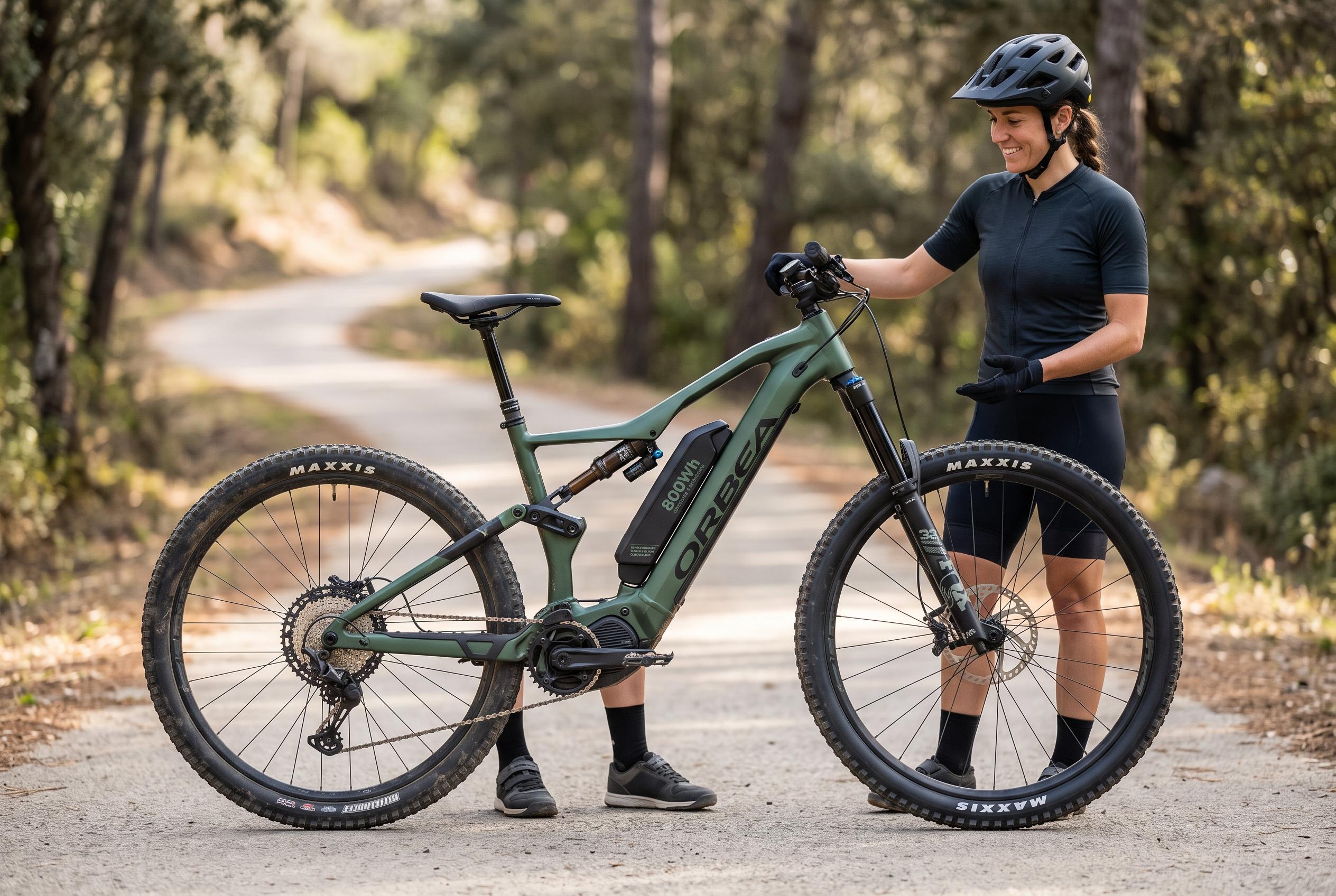

While an 800Wh battery offers more energy, compatibility issues, system approvals, and physical fit often complicate upgrades, making simple swaps a rare solution for increased range.
Upgrading an electric mountain bike from a 625Wh battery to an 800Wh pack can look like an easy way to buy more range, but the reality is usually more complicated. Himiway Bike notes that an 800Wh battery carries about 28% more energy than a 625Wh unit, yet capacity alone does not determine whether a swap will work. Fit, voltage, electronics and system approval all matter.
The main obstacle is physical compatibility. Larger-capacity batteries are often longer, heavier or shaped differently, which can make them unsuitable for a frame that was designed around a specific integrated battery. BikeRadar explains that battery range varies widely with rider weight, terrain, assistance level and riding style, so a bigger pack is only one part of the equation.
Mounting hardware is another limiting factor. A battery must align with the frame’s rail, locking mechanism, connector positions and electrical contacts. Movcan, an e-bike repair guide, says the battery also has to match the motor, controller and battery management system, or BMS, which monitors charging, temperature and remaining capacity. If those systems are not aligned, the bike may refuse to recognise the battery or may not operate safely.
There are exceptions. Liv Cycling’s EnergyPak Smart line includes integrated batteries up to 800Wh and says some models are designed for compatibility across earlier 500Wh and 625Wh versions within the same bike family. Riese & Müller takes a more cautious view, saying larger Bosch batteries require individual assessment because of differences in length, connectors and system approval. In other words, an upgrade can be possible, but only when the bike maker has designed for it.
For riders who need more range but cannot fit a larger main battery, a range extender may be the more practical option. These smaller auxiliary batteries can add usable energy without changing the downtube package, although they remain system-specific and are not universal. Upway notes that the trade-off for larger batteries is usually extra weight, higher cost and longer charging time, so the right choice depends on how often the extra capacity will actually be used.
Disclaimer: This content is intended for informational purposes only. Readers are advised to exercise their own judgement, conduct due diligence, or consult a qualified expert before acting on any information provided.