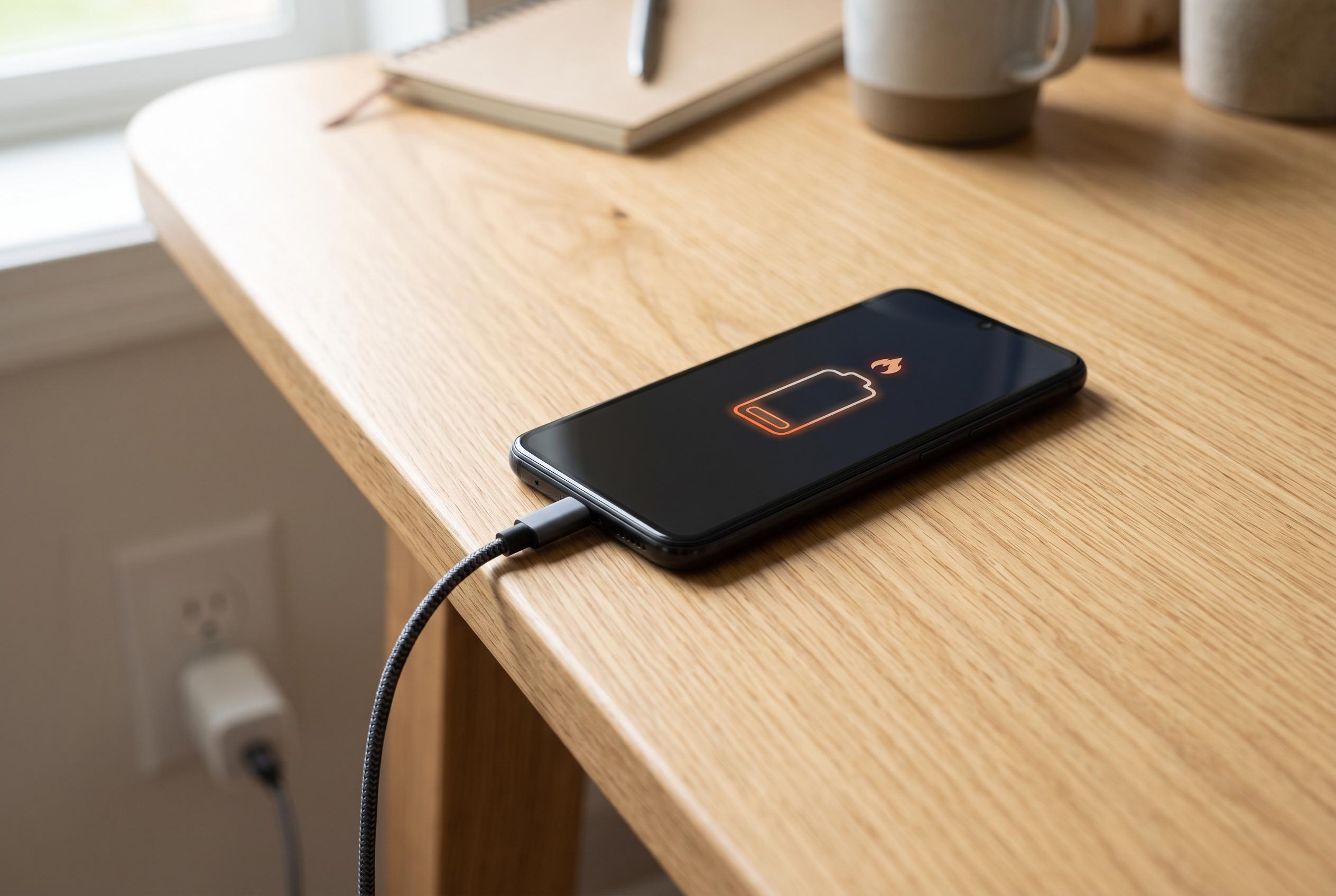

Experts highlight potential drawbacks of using a smartphone during charging, including increased heat, slower charging, and battery wear, prompting advice for safer charging practices amid popular usage habits.
Using a mobile phone while it is charging is common, but experts say the habit can have drawbacks, especially when the device is being pushed hard. Media Indonesia outlined 12 possible risks, ranging from extra heat and slower charging to greater wear on the battery and cable. At the same time, Samsung says using a Galaxy device while it charges is safe, and that slower charging during use is normal because power is being shared with active tasks.
The main concern is heat. Batteries Plus says light activities such as texting or browsing are generally fine, but gaming or streaming while plugged in can generate more heat, which may shorten battery life over time. A separate explainer from Science Insights makes a similar point, noting that modern smartphones are designed with power and temperature controls, so the real issue is sustained high temperatures rather than immediate damage. Media Indonesia also warned that prolonged heat can make a phone run hotter, slow performance and, in some cases, affect internal components.
Charging can also take longer when the phone is in active use. Media Indonesia said energy drawn by video playback, gaming or other demanding apps can reduce the amount available to the battery, which extends charging time. The publication also highlighted the strain on cables and connectors when a phone is handled repeatedly while plugged in, along with the possibility of screen lag or reduced touch responsiveness on some devices when temperatures rise.
Beyond battery wear, the habit can be inconvenient and, in some situations, less safe. Media Indonesia said a phone that is charging can feel heavier and warmer to hold, which makes long use less comfortable, and it can also interfere with rest if people keep staring at a screen before bed. The article also pointed to the greater risk posed by uncertified chargers, damaged cables or unsafe charging locations. TechRadar has separately warned about public charging risks such as so-called juice jacking, in which compromised cables or ports can expose data, though modern devices now have stronger defences against that threat.
In practice, the advice from the sources is consistent: using a phone briefly while it charges is usually not a problem, but repeated heavy use is best avoided. Certified accessories, cooler charging conditions and less intensive activity during charging can help preserve battery health and reduce unnecessary heat.
Disclaimer: This content is intended for informational purposes only. Readers are advised to exercise their own judgement, conduct due diligence, or consult a qualified expert before acting on any information provided.