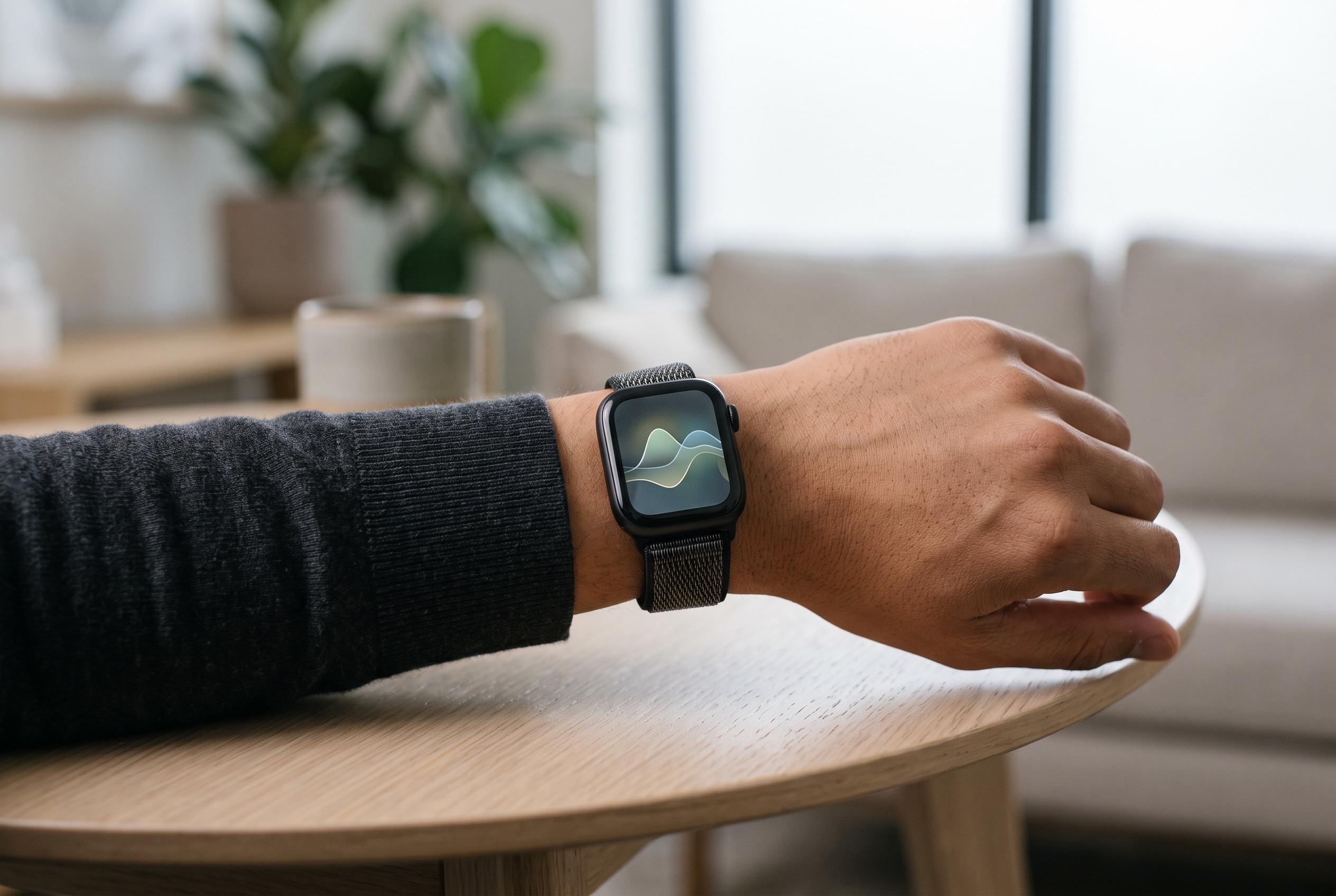

Connected health devices are evolving beyond fitness tracking to become integral in managing chronic illnesses and supporting remote medical care, driven by advances in smartphone integration and clinical validation.
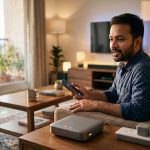
Wearables and connected home monitors are becoming more useful when they serve as part of routine care rather than simply recording lifestyle metrics. MedlinePlus says telehealth services now use phones, computers and mobile devices to collect readings such as heart rate, blood pressure, weight and blood glucose at home, then send them to clinicians for review. In that model, the value of a smartwatch, scale or glucose sensor lies not only in daily convenience, but in whether the data can help manage long-term illness and reduce the likelihood of getting sick enough to need hospital treatment.
That broader role helps explain why the market now stretches well beyond step counters. The US Centers for Disease Control and Prevention describes wearable technology as computers designed to be worn in clothing or directly against the body, including smartwatches, fitness trackers and a wider range of personal health monitors. These products usually pass data to a phone or the internet through low-powered Bluetooth or other radio systems. The agency says the radiofrequency exposure from such transmitters is very low and non-ionising, and that equipment sold in the United States must comply with Federal Communications Commission limits. If a device is marketed as medical equipment, it must also meet Food and Drug Administration requirements.
Evidence for some benefits is becoming more specific. An American Heart Association report on a review published in the Journal of the American Heart Association found that digital tools helped adults with cardiovascular disease become more active. Across 14 clinical trials involving more than 1,000 adults, people using smartphone apps, fitness trackers and wearable devices walked nearly 1,100 more steps a day and completed about four extra minutes of moderate-to-vigorous activity than those who did not use them. Ajith Vemuri of Penn State Health Milton S. Hershey Medical Center said “many people with cardiovascular disease cannot participate in traditional cardiac rehabilitation because of time, distance or financial barriers” and added that “smartphones and wearables are already in people’s pockets and on their wrists.” Cleveland Clinic notes that this matters against a backdrop in which the American Heart Association encourages adults to aim for at least 150 minutes of moderate exercise, or 75 minutes of vigorous exercise, each week.
For buyers, that means the first question is not which brand is fashionable, but what problem the device is meant to solve. Cleveland Clinic’s guidance says shoppers should decide whether they mainly want general activity tracking, heart-rate data, sleep information or GPS features. Ease of use, phone compatibility, battery life, measurement accuracy and day-to-day fit matter as much as headline specifications. Form factor can also change whether a device is worn consistently, with options now extending to ring-style trackers as well as watches and bands. Cost varies sharply: basic models can come in below $50, while premium devices may cost hundreds and sometimes bring recurring subscription charges. Some models also add fall detection, emergency alerts and GPS tracking, features that can be particularly useful for older adults or people with specific health risks.
Sleep tracking is another area where consumers should separate useful trends from hard diagnosis. Johns Hopkins Medicine says many sleep trackers do not measure sleep directly; instead, they infer it from periods of inactivity and then estimate duration, stages and quality. Some systems go further by logging light, bedroom temperature, caffeine intake, meal timing and stress, giving users a broader picture of the habits surrounding rest. That can be informative, but it is not the same as a medical sleep study. Exact assessment requires clinical monitoring of brain waves and other signals, which is how doctors investigate conditions such as sleep apnoea and other sleep disorders. For a healthy person trying to understand routine patterns, the graphs may be helpful; for someone with symptoms, they are not a substitute for specialist testing.
Glucose monitoring sits much closer to the clinical end of the spectrum. The FDA says blood glucose monitoring devices, also called blood glucose meters, are used both at home and in healthcare settings to measure the amount of sugar in the blood. A standard system includes a handheld meter and test strips, and the agency says people with diabetes should monitor their blood sugar using such a device. The results can help patients and doctors adjust insulin or other medicines, identify dangerously high or low readings, and understand how food and exercise affect control. The FDA also points to evidence from the Diabetes Control and Complications Trial and its EDIC follow-up showing that good glucose control with home monitoring was linked to fewer complications. When choosing a system, it advises looking at accuracy, the amount of blood required, testing speed, result storage, support for data transfer to a phone, computer or cloud service, cost, technical support and accessibility features for people with visual impairment. It also warns users not to share devices, and says test strips should be authorised for sale in the United States.
The next dividing line is whether the information stays on the wrist or bedside table, or becomes part of a secure care pathway. MedlinePlus says mobile health apps can track blood sugar, diet and exercise results and share them with providers, while remote monitoring systems can send readings from home devices for ongoing review in conditions including diabetes, heart disease, high blood pressure and kidney disorders. It also stresses that telehealth records must be kept private through secure software. That makes interoperability and data handling important purchasing questions, alongside comfort and battery life. A device that cannot export results, or that produces readings a clinician will not rely on, may still be useful for motivation, but it offers less medical value.
Used well, these devices can sharpen self-awareness and support better habits, but they are best treated as aids rather than authorities. Cleveland Clinic says people often learn to recognise how their heart-rate patterns respond to activity over time; as Fischer put it, “if heart rate comes down over time with the same activity, that is a sign of getting fitter.” Johns Hopkins makes the same point from the other direction: trackers can reveal patterns, but the numbers should be interpreted cautiously and persistent concerns should be discussed with a health professional. The most sensible purchase is therefore the one that matches a clear objective, produces data you can understand, and, where necessary, fits into proper medical care.
Disclaimer: This content is intended for informational purposes only. Readers are advised to exercise their own judgement, conduct due diligence, or consult a qualified expert before acting on any information provided.