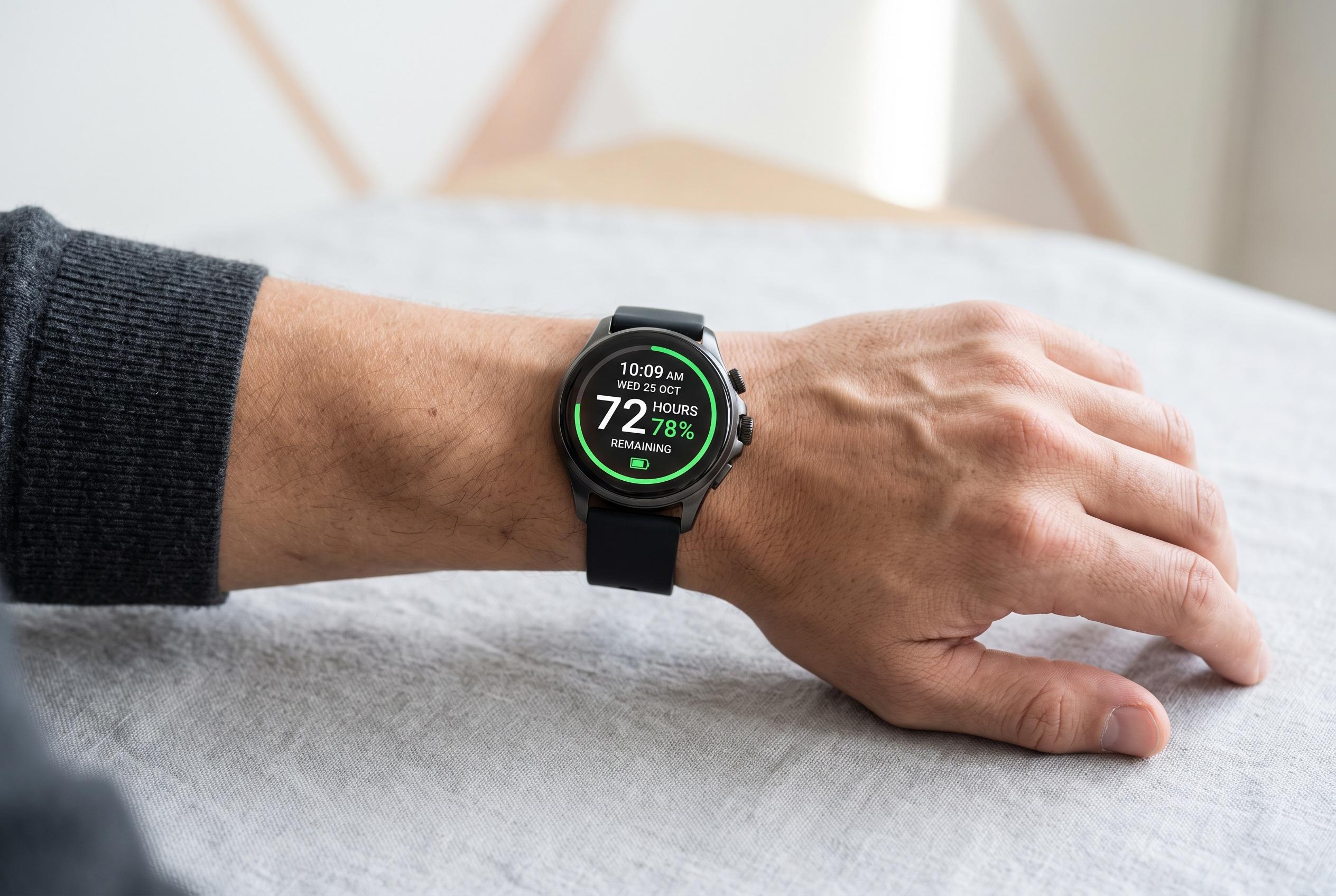

With improvements from Mibro, Apple, Huawei and Samsung, buyers now have more options for smartwatches that reduce charging frequency, catering to outdoor adventurers and busy users alike.
Battery life remains one of the main weak points of the smartwatch market, but 2026 has produced several capable models for buyers who want fewer charging breaks. At the budget end, the Mibro GS Explorer S stands out as a particularly strong value proposition, while Apple, Huawei and Samsung now offer longer-lasting premium options for users tied to their respective ecosystems. The right choice depends less on brand loyalty than on how much battery life, app support and outdoor durability a buyer actually needs.
According to Mibro’s product information, the GS Explorer S is priced at under $150 and is aimed at users who want a rugged watch without paying flagship prices. It is rated for up to 20 days of battery life in daily use and around 25 hours in GPS mode, while Wareable’s testing found that those claims broadly match real-world use. The watch also includes a 1.32-inch AMOLED display, dual-frequency GNSS, 10ATM water resistance, MIL-STD-810H durability, Bluetooth calling and health tracking features including heart rate, blood oxygen and sleep analysis. The trade-off is limited software flexibility: there is no NFC for contactless payments and no app store, so users are restricted to the built-in functions.
For iPhone users, Apple’s Watch Ultra 3 is the company’s clearest answer to the battery question. Apple says the model can last up to 42 hours under normal use and up to 72 hours in Low Power Mode, with a 49mm titanium case, 5G connectivity and satellite features intended for outdoor and emergency use. Independent reviews have generally supported Apple’s claim of meaningful gains: Wareable said the watch can last 2-3 days in everyday use, while OutdoorGearLab reported that mixed use and continuous GPS tracking were both handled well, with charging to full taking as little as 76 minutes.
Huawei’s Watch GT 7 and GT 7 Pro remain among the strongest endurance-focused choices for Android users, particularly those already using Huawei devices or the Huawei Health platform. The GT line is rated for up to 21 days in normal mode on the 46mm version, with the 41mm model and the GT 7 Pro offering shorter but still substantial battery life when the always-on display is enabled. Huawei also highlights high-brightness AMOLED panels, broad workout support and health sensors including heart rate, SpO2 and skin temperature. The strength of the line is clear, but so is the constraint: these watches are most appealing within Huawei’s own ecosystem.
Samsung has taken a similar route with the Galaxy Watch Ultra2, positioning it as a premium Android option with a larger battery and more aggressive power management. Samsung says the watch uses an 800mAh battery, up 35% from the original Ultra, and can reach up to 60 hours with the always-on display enabled. The company also points to a 5,000-nit display, 10ATM water resistance, IP69K dust protection and MIL-STD-810H durability, all of which make the device more suitable for outdoor use than a typical mainstream smartwatch. For buyers who want something less expensive, Samsung’s Galaxy Watch 9 is said to offer roughly 30 to 40 hours of battery life, depending on use.
The practical buying advice is straightforward. Buyers should first decide which phone ecosystem they are committed to, because compatibility remains the biggest constraint in the smartwatch market. They should then set a realistic battery target: 1 to 2 days suits premium feature-heavy models, 5 to 7 days is a more comfortable middle ground and 10 days or more is best for people who travel often, track sleep nightly or simply dislike constant charging. For outdoor use, display brightness, GPS accuracy and water resistance matter almost as much as battery size. On that basis, the Mibro GS Explorer S is the strongest low-cost pick, while the Apple Watch Ultra 3, Huawei Watch GT 7 and Samsung Galaxy Watch Ultra2 are the most convincing high-end options for their respective audiences.
Disclaimer: This content is intended for informational purposes only. Readers are advised to exercise their own judgement, conduct due diligence, or consult a qualified expert before acting on any information provided.