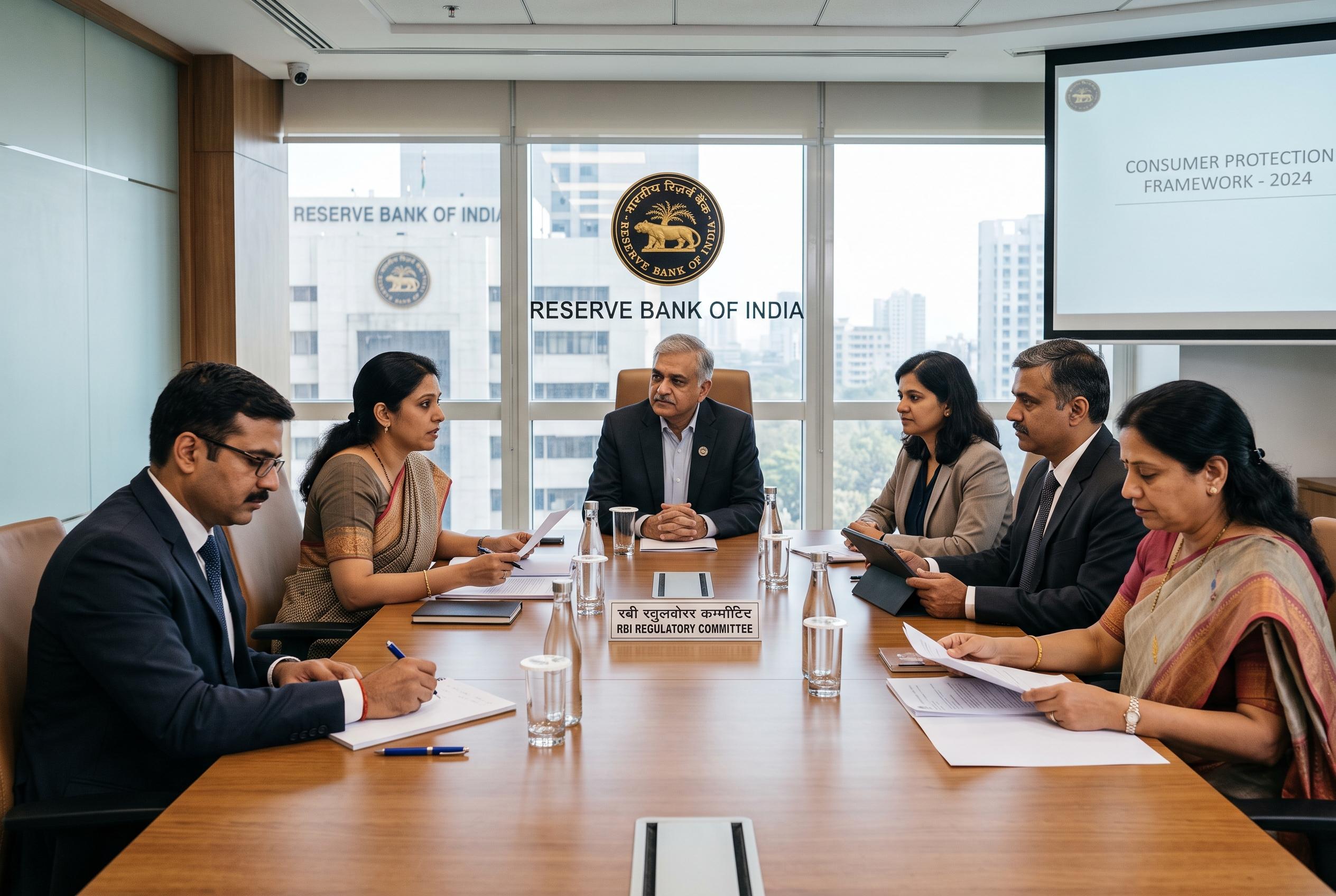

The Reserve Bank of India enforces new comprehensive guidelines from January 2027 to curb abusive collection practices, enhance privacy, and raise professional standards in loan recovery, marking a significant shift towards consumer-friendly regulation.
Loan recovery in India is set for a sharper regulatory reset, with the Reserve Bank of India moving to curb some of the most aggressive collection practices used against defaulting borrowers. From 1 January 2027, lenders and their agents will operate under a more detailed framework that limits how, when and where they may contact customers, and makes banks and finance companies directly responsible for misconduct by outsourced recovery staff.
The new rules widen the compliance burden across RBI-regulated lenders, including commercial banks, small finance banks, regional rural banks, co-operative banks, non-banking financial companies and housing finance companies. According to reporting by LiveMint and Moneycontrol, the directions build on earlier draft proposals by formalising bans on abusive language, repeated harassment calls and disclosure of loan dues to relatives, colleagues or other third parties. Contact is confined to daytime hours unless a borrower has explicitly agreed otherwise, and recovery agents are barred from intruding on sensitive occasions such as weddings, bereavements or medical emergencies.
The RBI has also sharpened privacy and documentation requirements. Lenders must record recovery calls, inform borrowers that conversations are being monitored, and retain those recordings for at least six months. Agents visiting a borrower’s home or workplace must carry an identity card, an authorisation letter and a copy of the lender’s notice. The central bank is also insisting on clearer grievance handling, with the name and contact details of the grievance officer appearing on recovery communications and in the loan agreement itself. Boards will have to approve policies covering compensation where recovery conduct causes loss or harm.
A separate set of safeguards applies to financed smart devices such as mobile phones, tablets and laptops. According to the new framework, restrictions cannot begin until the account is at least 30 days overdue, and fuller controls may only follow after 60 days. Even then, lenders cannot cut off incoming calls, SMS messages or emergency SOS functions, and they must avoid blocking access needed for work. They are also barred, along with any third-party software provider, from accessing personal data such as photos, contacts, location history or call logs. If a device is unlocked late after repayment, the lender must restore access within an hour and pay compensation of ₹250 an hour for delay, subject to the total loan amount.
The RBI is also pushing for greater professional standards in the recovery industry. Under the new regime, lenders may use only agents who hold certification from the Indian Institute of Banking and Finance, although existing agents are being given a transition period until 1 January 2028 to qualify. The shift marks a more explicit attempt by the central bank to move loan recovery away from intimidation and towards a rules-based process with clearer accountability.
Disclaimer: This content is intended for informational purposes only. Readers are advised to exercise their own judgement, conduct due diligence, or consult a qualified expert before acting on any information provided.