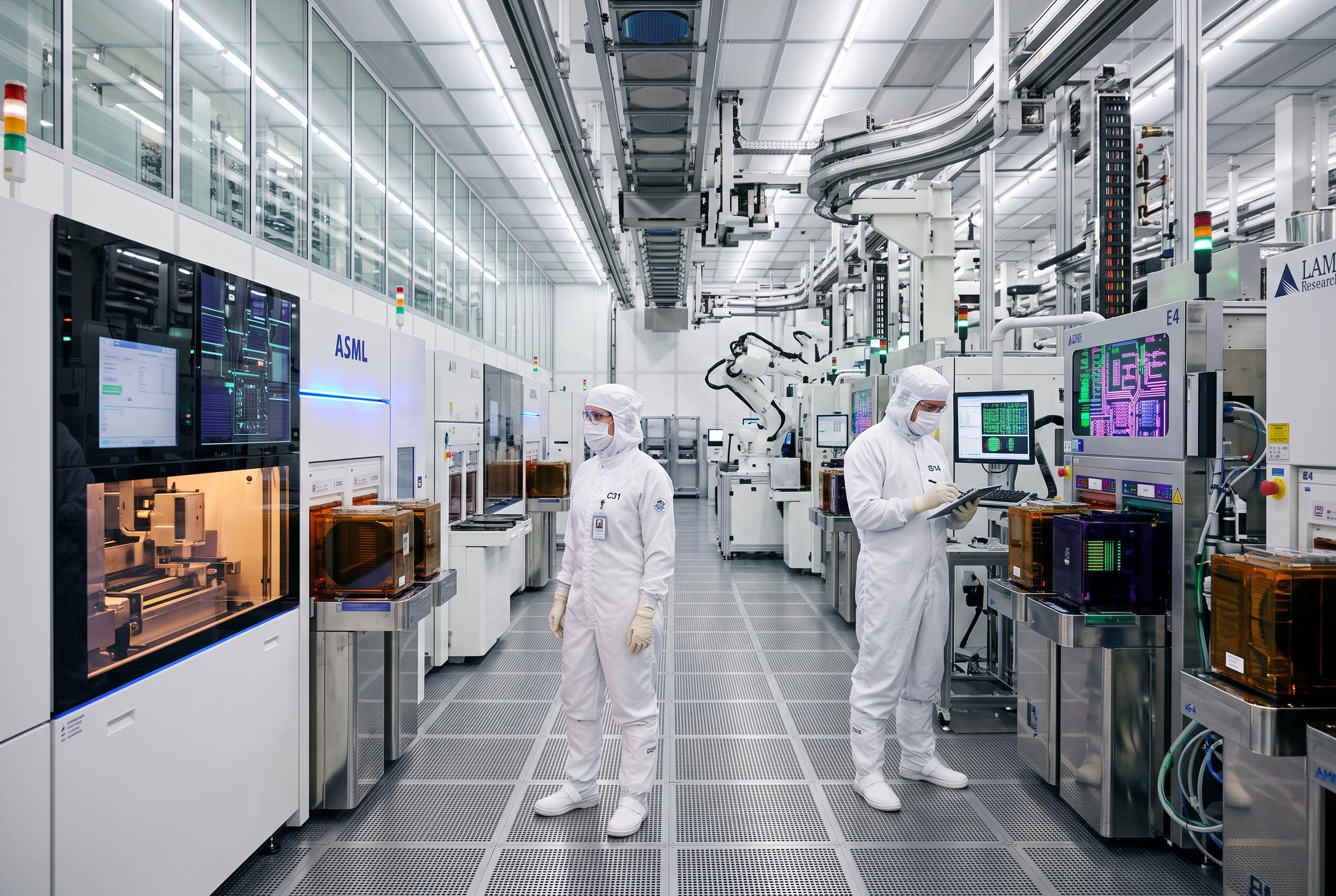

Chinese contract chipmaker SMIC increases production and invests further as soaring AI demand strains current capacity, highlighting a strategic shift and rising profitability in the global semiconductor landscape.
SMIC is moving to expand production as demand for mature-node chips tied to artificial intelligence infrastructure continues to outpace its existing capacity. The Shanghai-based foundry, China’s largest contract chipmaker, said the surge in orders has exposed shortages in the supporting semiconductors used in servers, data centres and related equipment, even as the smartphone market remains comparatively subdued. Co-chief executive Zhao Haijun said future wafer starts were running far above earlier expectations, underscoring how quickly the market has shifted towards AI-related demand.
According to the company’s latest earnings update, capacity utilisation reached 93.7 per cent in the second quarter, up from 93.1 per cent in the previous three months. Wafer shipments rose 14.4 per cent quarter on quarter, while monthly output capacity increased to about 1.1 million 8-inch wafers. SMIC also said it may add equipment at some facilities, although it has not disclosed where, when or what type. The company is trying to avoid running at full tilt while still investing in research and development, a balance that reflects both strong demand and the limits imposed by its current manufacturing base.
The pressure is being felt most sharply in logic chips, power-management products and optical module components, all of which are central to AI infrastructure. The company said orders for BCD, or bi-polar-CMOS-DMOS, power-management products were visible through the end of 2027. It has already raised some prices for consumer electronics chips, though smartphone chips and display-driver integrated circuits were left unchanged. That suggests SMIC is gaining pricing power in selected segments, but remains selective about where it can push through increases.
The latest quarter also showed a broad financial lift. Revenue for the three months to 30 June reached US$3.01 billion, up 20 per cent from the previous quarter and 36.1 per cent from a year earlier, while gross margin improved to 25.3 per cent from 20.1 per cent in the first quarter. The strength comes after a period in which SMIC has climbed the global foundry rankings on the back of domestic demand and a strategic shift towards mainland clients, especially Huawei. Industry trackers have placed it as the world’s third-largest pure-play foundry by revenue, behind Taiwan Semiconductor Manufacturing Company and Samsung, and far ahead of many Western rivals. For SMIC, the current AI build-out is turning that scale into a tighter, and more lucrative, production environment.
Disclaimer: This content is intended for informational purposes only. Readers are advised to exercise their own judgement, conduct due diligence, or consult a qualified expert before acting on any information provided.