
Minimal Company’s second-generation keyboard phone introduces a colourful AMOLED display, 5G support, and customised tactile keys, targeting those craving a distraction-free, tactile Android device amid a 2026 resurgence of physical-keyboard phones.
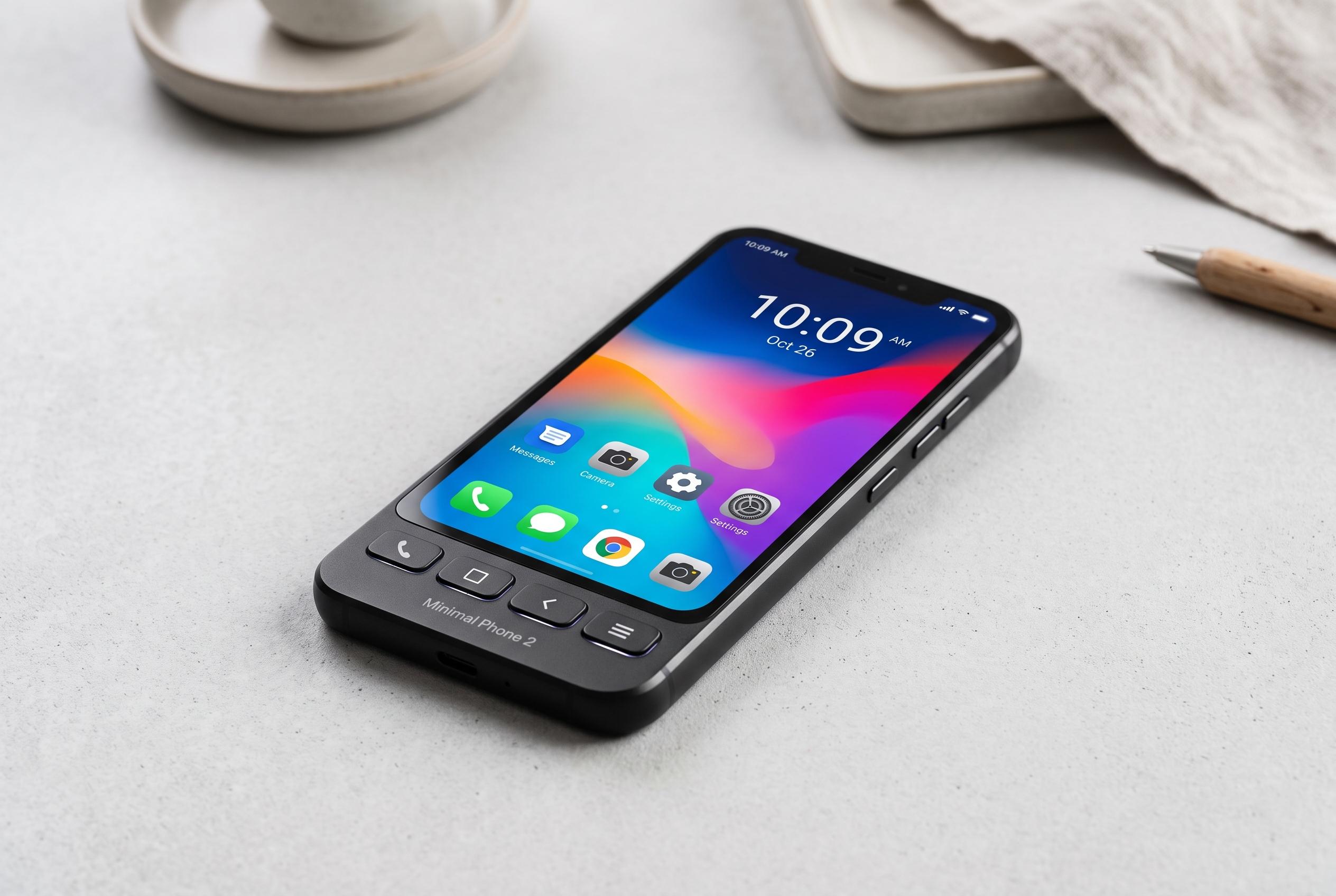
Minimal Company’s second-generation keyboard phone is a more ambitious device than its predecessor. The Minimal Phone 2 keeps the basic pitch of a smartphone that is meant to be used sparingly, but it abandons the original model’s monochrome E-Ink panel in favour of a far more conventional 3.92-inch AMOLED display with a 90Hz refresh rate. According to Android Central and Digital Trends, that shift is central to the redesign: the first phone’s display supported restraint, but it also made normal use feel sluggish and awkward. The new model is trying to keep the discipline without sacrificing usability.
The physical keyboard remains the defining feature. The second-generation handset still uses a full QWERTY layout, but the keys are now backlit and the controls can be customised and remapped. Android Central says the switches use metal-dome construction for a more tactile feel, while the company has also reworked the body into a curved aluminium shell available in black or silver. In practical terms, it looks less like an experiment and more like a compact premium phone built around typing.
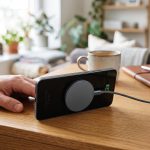
Inside, the specification jump is substantial. The Minimal Phone 2 moves to MediaTek’s Dimensity 8300 platform, with 8GB of RAM and storage options up to 512GB. It also adds 5G, NFC, wireless charging, a physical mute switch and a 3.5mm headphone jack. That places it closer to a mainstream Android device than a stripped-back feature phone. The battery remains 3,000mAh, which may prove to be the most closely watched part of the package once independent testing begins, although the phone does support 27W wired charging and 15W wireless charging.
The camera has been upgraded as well, from a basic 16MP unit on the first model to a 50MP rear sensor. That will not by itself guarantee strong image quality, but it matters if the device is meant to work as a single everyday phone rather than a niche secondary handset. The more interesting question is whether Minimal’s software can now do the job that E-Ink once did. The company is leaning on shortcuts, a simplified hub and intent-based interactions to encourage faster, more deliberate use, rather than making ordinary smartphone tasks frustrating.
The timing is favourable. PhoneArena and TechSpot both note that physical-keyboard phones are seeing a wider revival in 2026, with products such as the Unihertz Titan 2 Elite and the Clicks Communicator tapping into demand from users who miss tactile typing and want fewer distractions. That broader trend helps explain why the Minimal Phone 2 exists at all. It is not trying to resurrect the BlackBerry era wholesale, but it is clearly targeting the same audience: people who still need Android apps, yet would rather not live on a slab of glass.
The Kickstarter campaign appears to have struck a nerve. According to Android Central and Digital Trends, the project reached its funding target within minutes, and early backing levels were reported to have passed $650,000. The launch pricing started at about $550 for limited early units, though later tiers are higher. As always with crowdfunding, buyers are backing a promise rather than a finished retail product, so delivery, software polish and final specifications remain the real tests.
Disclaimer: This content is intended for informational purposes only. Readers are advised to exercise their own judgement, conduct due diligence, or consult a qualified expert before acting on any information provided.