
Samsung, Google, and DJI unveil new products emphasising software and portability, but each targets a different aspect of modern tech, reflecting diverging user priorities and industry trends.
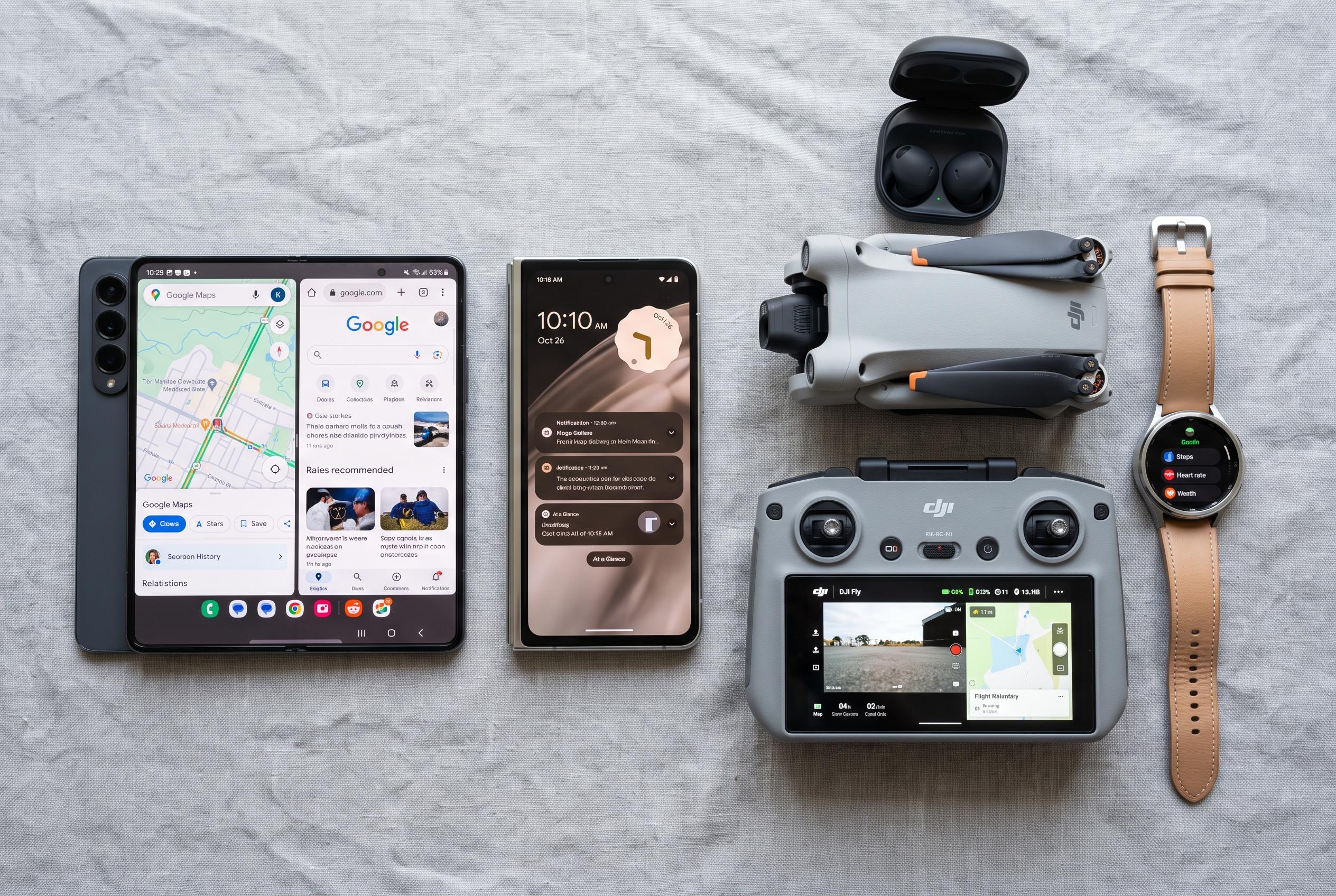
Samsung, Google and DJI have each used their latest launches to push familiar product lines in a more capable direction, but the appeal differs sharply by category. DJI’s new Osmo Pocket 4P is aimed squarely at creators who want stabilised video in a truly portable form, while Samsung’s Galaxy Z Flip 8 leans on convenience and camera tricks rather than a dramatic redesign. Google’s Pixel 11 series, meanwhile, is betting that software and imaging gains will matter more than raw hardware changes.
For DJI, the strongest case remains the pocket-sized gimbal design. The company’s new model adds refined subject tracking, smoother movement and a dual-camera arrangement, which gives it a more versatile edge for short-form video, travel clips and piece-to-camera work. However, Digital Camera World notes that the Osmo Pocket 4 and 4P are not officially available in the US because of FCC restrictions, leaving the older Pocket 3 as the easier purchase for American buyers. That model has also fallen in price, with the Creator Combo reaching what the site describes as a record low.
Samsung’s Galaxy Z Flip 8 is the sort of foldable that makes sense in daily use before it impresses spec sheets. The 4.1-inch FlexWindow is one of its most practical additions, making calls, notifications and quick interactions easier without opening the phone. Samsung has also kept the device light and pocketable, while adding camera features such as Horizontal Lock, which should help with steadier video capture. Even so, recent reviews have been less enthusiastic about the upgrade cycle, describing the change from the previous model as modest and questioning whether the higher starting price is justified for existing owners.
The Galaxy Z Fold 8 is presented as the more capable big-screen option in Samsung’s range, with a compact build, strong performance and support for multitasking across three apps at once. Android Central says its near-creaseless displays and portable size make it appealing as a book-style foldable, but the same report also points to clear compromises, including a high price, weaker cameras than the Ultra version and no S Pen support. That leaves Samsung’s foldables looking technically impressive, but not automatically compelling for every buyer.
Google’s Pixel 11 series is taking a different route, using software to sharpen the camera experience rather than relying on a wholesale redesign. The standout feature is Instant Night Sight, which uses AI to reduce blur, brighten dark scenes and keep detail intact without flash. The phones also gain a 48MP main sensor, video stabilisation and a faster Tensor G6 chip, which should improve both image quality and everyday responsiveness. For users who value practical camera gains and AI tools over novelty, that may be the most persuasive update of the three launches.
Disclaimer: This content is intended for informational purposes only. Readers are advised to exercise their own judgement, conduct due diligence, or consult a qualified expert before acting on any information provided.