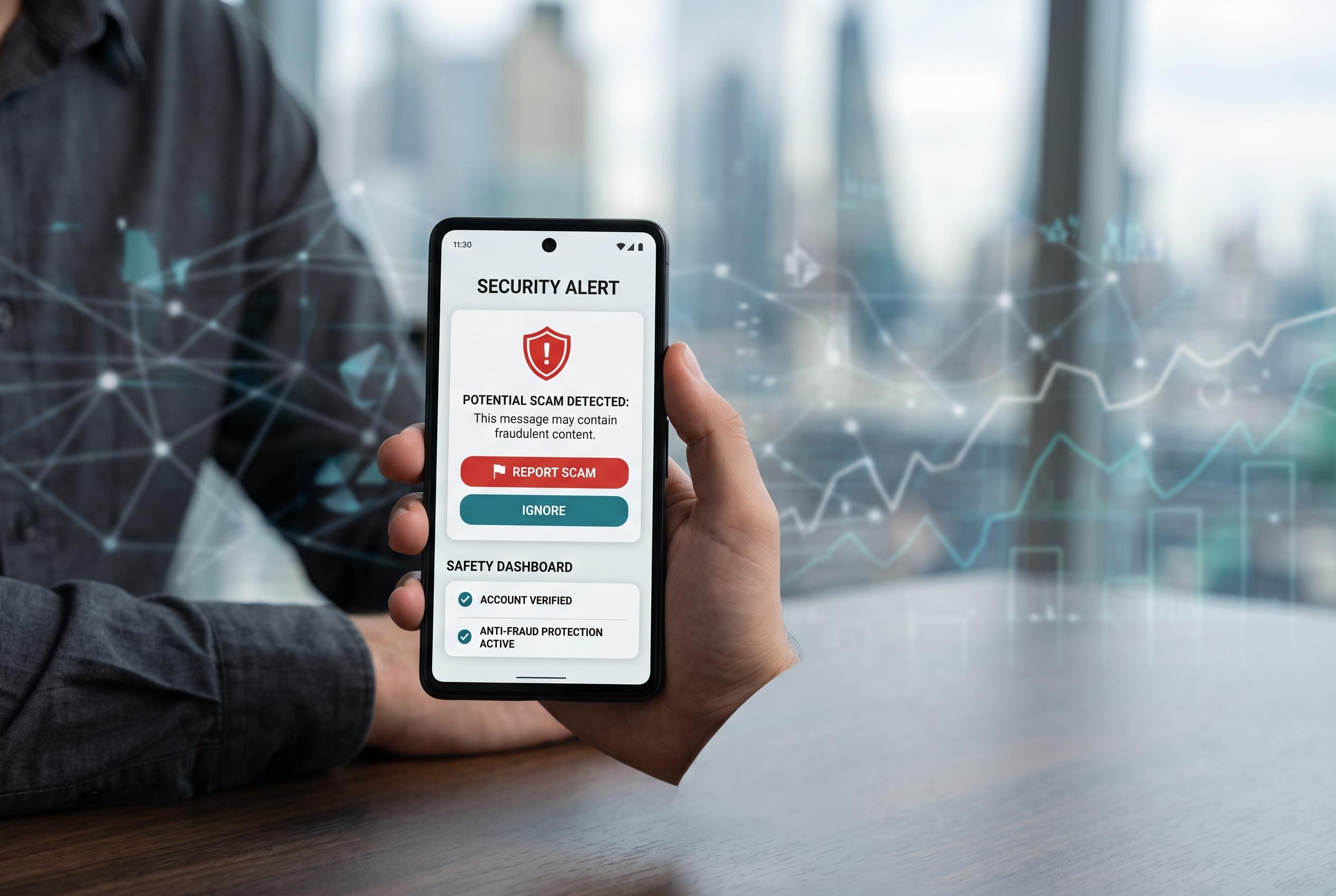

Singapore is extending new obligations to messaging, social media, and e-commerce platforms under the Online Criminal Harms Act, aiming to curb the surge in online scams by enforcing stricter verification and swift removal of suspicious content.
Singapore is tightening its online anti-scam regime, extending new obligations to messaging, social media and e-commerce platforms as authorities move to curb fraud that has increasingly shifted on to major digital services. The Police said the latest codes under the Online Criminal Harms Act are intended to reduce the misuse of platforms for criminal activity, while keeping pressure on companies that profit from ads and transactions to strengthen verification and remove suspicious content quickly.
According to the Police, messaging services including WhatsApp, Telegram and WeChat will fall under a new code of practice, alongside a separate social media code for Facebook, Instagram and TikTok, which authorities consider to pose the highest scam risk among social platforms in Singapore. In 2025, those three services accounted for about 30 per cent of total scam cases, with Facebook alone responsible for about 18 per cent.
The social media rules focus heavily on advertising. The Police said platforms must stop ads from being shown to Singapore users where there is reason to suspect they are helping a scam, including where cloaking techniques are used to disguise a destination website. They will also need to remove suspicious adverts promptly, verify advertisers against government-issued records, and block financial-product advertising unless the advertiser is properly licensed in Singapore. The three platforms have until 31 January 2027 to comply.
An enhanced code will also apply to Carousell, Facebook Marketplace and Facebook Business Pages. The Police said the e-commerce measures build on seller verification and payment-protection requirements introduced in June 2024, and will add stronger consent checks before logins from unfamiliar devices are allowed. The new code also imports ad-safety safeguards from the social media regime. Carousell has already completed a verification pilot and said it would add further protections after testing high-risk sellers and advertisers, according to a November 2025 statement from Singapore’s Ministry of Home Affairs.
The policy shift follows a series of government assessments showing that consumer-to-consumer e-commerce platforms remain vulnerable despite earlier controls. In March 2025, the ministry said Carousell, Facebook Marketplace and Facebook Advertisements had begun enhanced verification measures, and later in 2025 it noted that stronger checks had helped reduce scams on Carousell and Facebook Marketplace. Even so, both platforms remained at the bottom of the government’s anti-scam ratings in May 2026, underscoring the scale of the problem. Under the current framework, firms that ignore rectification notices can face fines of up to S$1 million, while proposed amendments discussed in Parliament would raise potential penalties to as much as S$10 million per breach.
Disclaimer: This content is intended for informational purposes only. Readers are advised to exercise their own judgement, conduct due diligence, or consult a qualified expert before acting on any information provided.