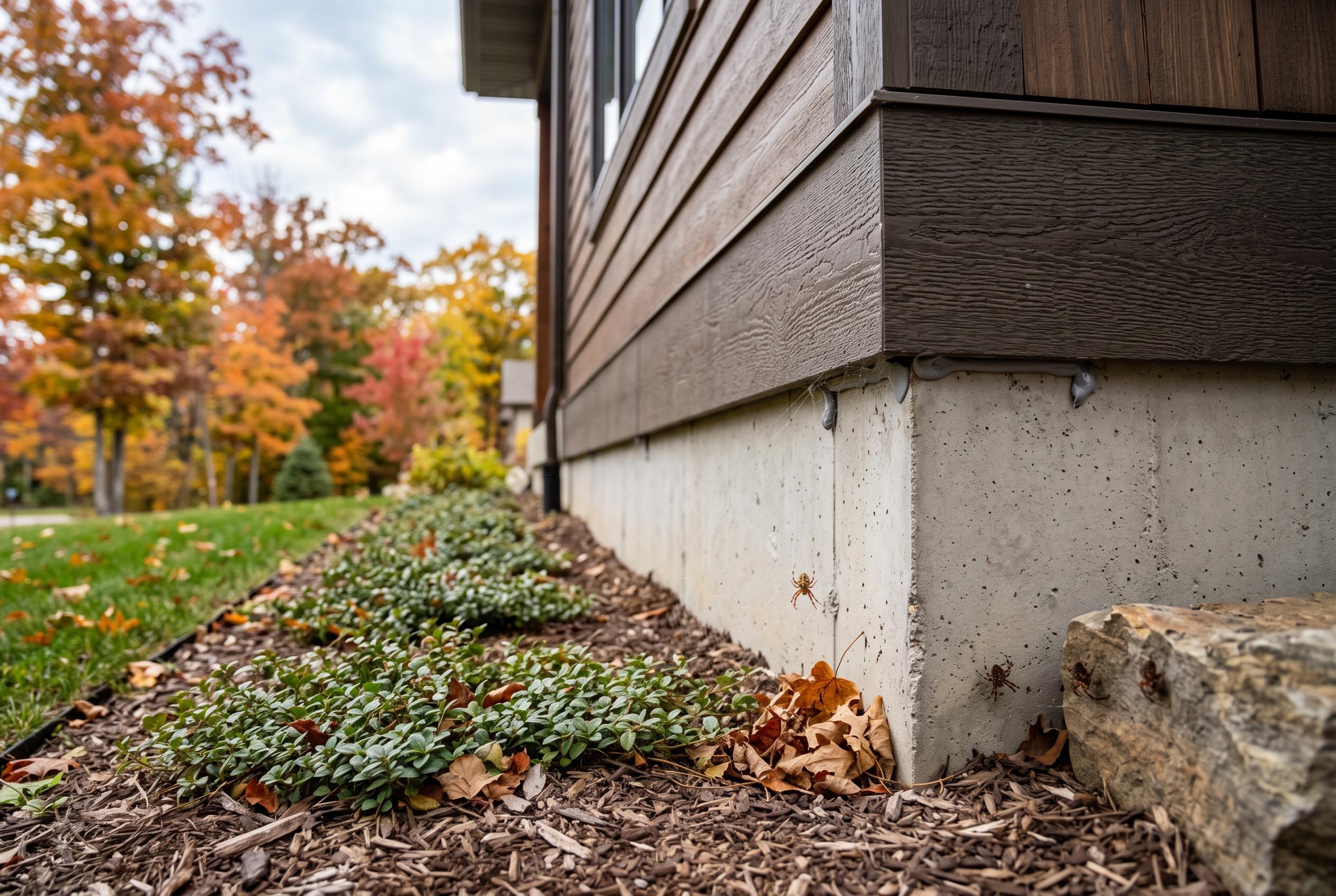

As autumn brings increased spider activity near homes, experts highlight ways to prevent false security system triggers through lighting, sealing gaps, and maintenance, rather than relying solely on repellents.
As autumn settles in, homeowners often notice more spiders around porches, windows and garages. That seasonal increase is not surprising: as temperatures fall, some male spiders become more active in search of mates and shelter. In the process, they can pass close enough to motion sensors to trigger a burglar alarm, turning a routine night into an unnecessary call-out.
False alarms are not limited to spiders, of course. Security specialists say insects, small animals and even cobwebs can interfere with motion detectors and camera systems. CTC Communications notes that repeated false activations can also lead to avoidable costs, depending on local rules and monitoring arrangements, while Swann says insects can trigger alerts when they move near detection zones.
One of the most effective deterrents is also one of the simplest: reduce what attracts insects in the first place. Outdoor lighting can draw moths, flies and mosquitoes, which then create a food source for spiders. Swann advises limiting unnecessary exterior lighting, switching to motion-activated fixtures where possible and, in some cases, using warmer-coloured bulbs. Closing blinds and curtains at night can also reduce the light leaking from inside the home.
Physical prevention matters more than sprays or scents. CTC Communications recommends sealing the small openings spiders use to get inside, including gaps around doors, windows, vents, pipes and utility penetrations. Door sweeps, weatherstripping and repaired screens can make a significant difference. Bathrooms deserve particular attention because moisture and ventilation gaps can attract insects, which in turn draw spiders.
Housekeeping also plays a role. Reolink advises clearing spiderwebs from in front of cameras and motion sensors, while DC Fire & Security says keeping detector areas free of insects and cobwebs can help prevent unexplained activations. Cluttered storage areas, cardboard boxes, firewood and undisturbed corners give spiders shelter, so keeping these spaces tidy and using sealed plastic containers can reduce risk.
Some people turn to cedar, peppermint or eucalyptus as natural deterrents, but the evidence is limited. Enviroliteracy.org says spiders respond to vibrations rather than simple noise, and the effectiveness of ultrasonic repellents remains disputed. In practice, experts say the most reliable approach is a combination of exclusion, lighting control, moisture reduction and regular cleaning rather than dependence on scent alone.
If a system keeps sounding without an obvious cause, the security provider should inspect it. Rechecking sensor placement, sensitivity and log data can help identify whether the problem is insects, webbing or a faulty detector. As the support guidance from several alarm makers suggests, the best fix is usually to keep the system clear, correctly positioned and regularly maintained.
Disclaimer: This content is intended for informational purposes only. Readers are advised to exercise their own judgement, conduct due diligence, or consult a qualified expert before acting on any information provided.