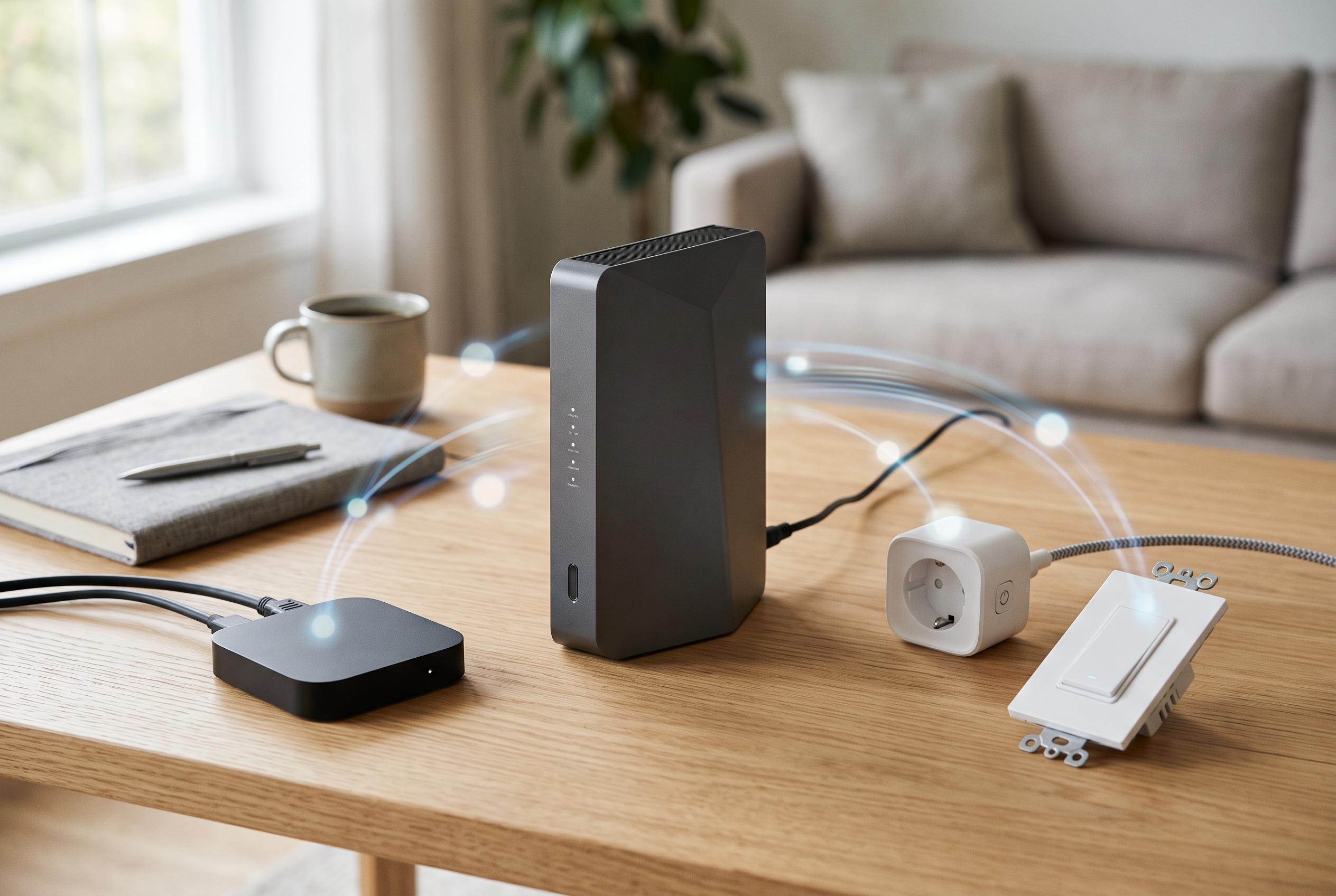

A 24-hour home network scan reveals that IoT devices, including smart plugs, switches, and Apple TV, generate extensive data traffic, highlighting security vulnerabilities and the need for localised control measures.
A home network audit can reveal far more than most people expect. In one 24-hour snapshot, a writer at How-To Geek found that more than 30 connected devices generated huge amounts of traffic, with six Wemo smart plugs and switches alone accounting for nearly 1.5GB of data and more than 423,000 DNS requests. The Apple TV, as expected, was the biggest data user overall, but the scale of activity from seemingly simple smart home hardware was the more striking result.
That pattern is not especially unusual for internet-connected appliances. According to Planisys, IoT devices often generate sustained DNS traffic because they are continually checking in for telemetry, firmware updates and cloud services. Cloudflare says DNS filtering has become an important control layer for these devices because many of them lack traditional security software and therefore need protection at the network level rather than on the endpoint itself.
The Wemo figures were particularly notable because the devices were not being used as high-bandwidth media clients. The article describes almost constant small packets, with most traffic encrypted and therefore hard to inspect in detail. That leaves a familiar problem for home administrators: routers and monitoring tools can show volume, but not necessarily intent. In this case, the likely explanations included local automations, multicast discovery and repeated retry behaviour after the cloud service was switched off.
That last point matters. ManageEngine notes that multicast DNS can help devices find each other on a local network, but it also widens the attack surface because it is unauthenticated and open to abuse. DNS specialists at NameSilo also warn that some IoT firmware is prone to aggressive retry loops, hard-coded resolvers and poor caching behaviour, all of which can inflate resolver load and make traffic patterns look far more excessive than a human would expect from a plug or switch.
The practical response in the article was to cut those devices off from the wider internet and keep them inside a locally managed setup based on HomeKit, Home Assistant and Pi-hole. That approach aligns with Cloudflare’s view that DNS filtering is useful precisely because it can block unauthorised or suspicious destinations without installing software on the device. It also helps guard against DNS rebinding attacks, which DN.org says can trick a browser into treating a private-network device as if it were a public website. For households with lots of smart hardware, the lesson is simple: if a switch is moving gigabytes of data, the network deserves a closer look.
Disclaimer: This content is intended for informational purposes only. Readers are advised to exercise their own judgement, conduct due diligence, or consult a qualified expert before acting on any information provided.