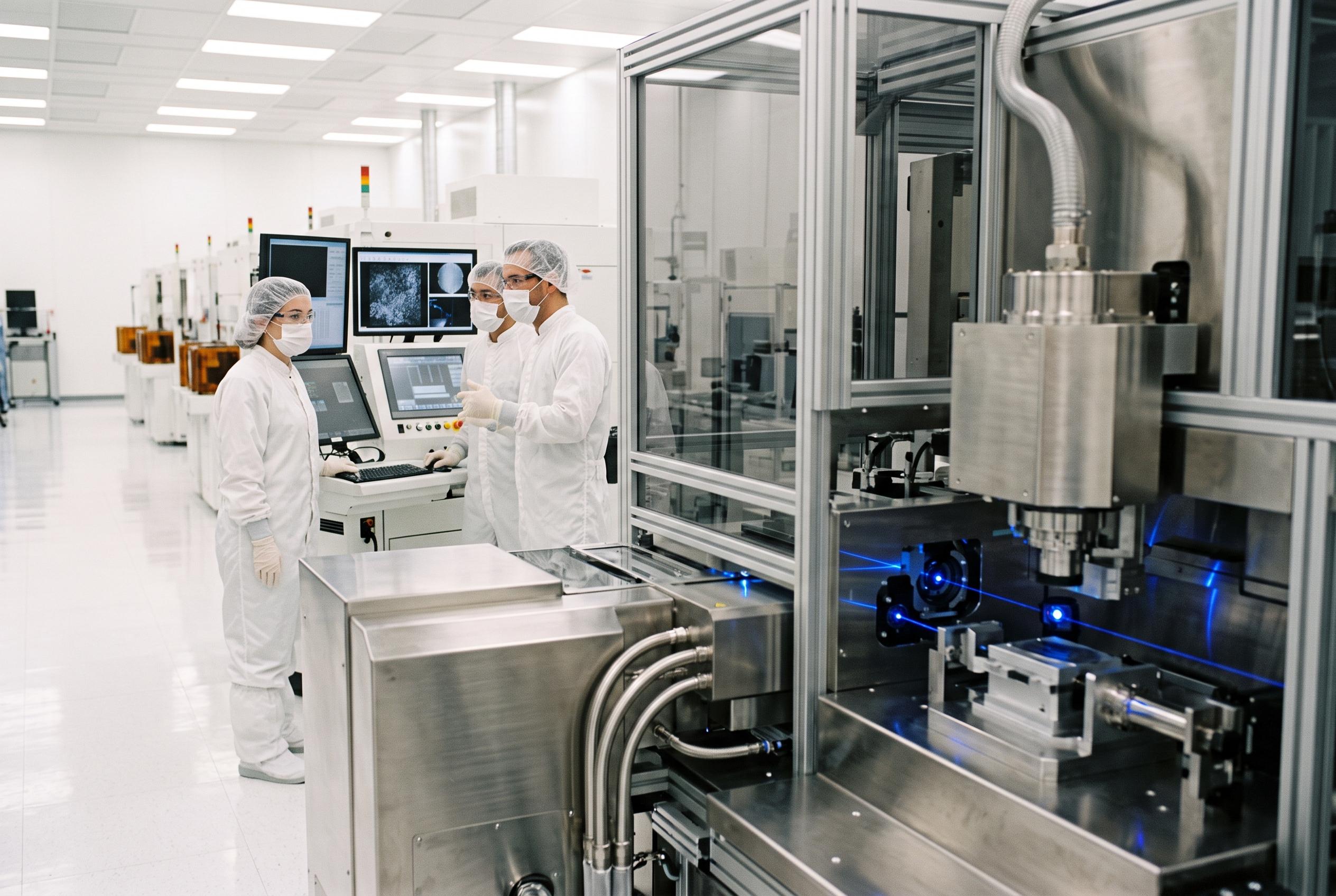

The Biden administration is developing a selective tariff regime that would reward U.S.-based chip producers while penalising reliance on overseas supply chains, signalling a shift towards a more nuanced trade approach in technology sectors.
U.S. Commerce Secretary Howard Lutnick said the Trump administration is preparing a “targeted” semiconductor tariff regime that would reward companies manufacturing in the United States and penalise those that do not, signalling that the White House is moving beyond earlier blanket warnings towards a more selective structure. Speaking on CNBC, Lutnick said firms building in America would receive tariff relief, while those relying on overseas production should expect to face duties when selling into the U.S. market.
His comments came after reports that the administration is considering a second wave of measures that could widen the reach of chip-related tariffs far beyond semiconductors themselves. According to Politico, officials are weighing duties that could extend to products made with chips, including laptops, games consoles and data-centre servers, alongside country-specific tariff rates and import quotas for major semiconductor exporters.
The approach would build on the White House’s January action under Section 232, when President Donald Trump imposed a 25% tariff on certain advanced computing chips and set out exemptions for imports tied to the expansion of U.S. manufacturing capacity. The January proclamation also outlined a broader two-stage plan, including negotiations with foreign jurisdictions and a tariff offset mechanism for companies investing in domestic chip production.
Lutnick said the administration sees semiconductors through the same lens it has used for pharmaceuticals: firms that commit to making advanced products in America can win relief, while others may face full tariff exposure. He said the policy was being designed in government-wide coordination and described it as a “very sensible way of doing things”.
The move will be watched closely by South Korean chipmakers such as Samsung Electronics and SK hynix, which have large U.S. investments and supply links into the American technology sector. It also reflects the administration’s broader economic strategy of using tariffs to push domestic manufacturing, narrow the trade deficit and attract foreign capital, even as technology groups warn that wider duties could complicate the U.S. drive to dominate artificial intelligence.
Disclaimer: This content is intended for informational purposes only. Readers are advised to exercise their own judgement, conduct due diligence, or consult a qualified expert before acting on any information provided.