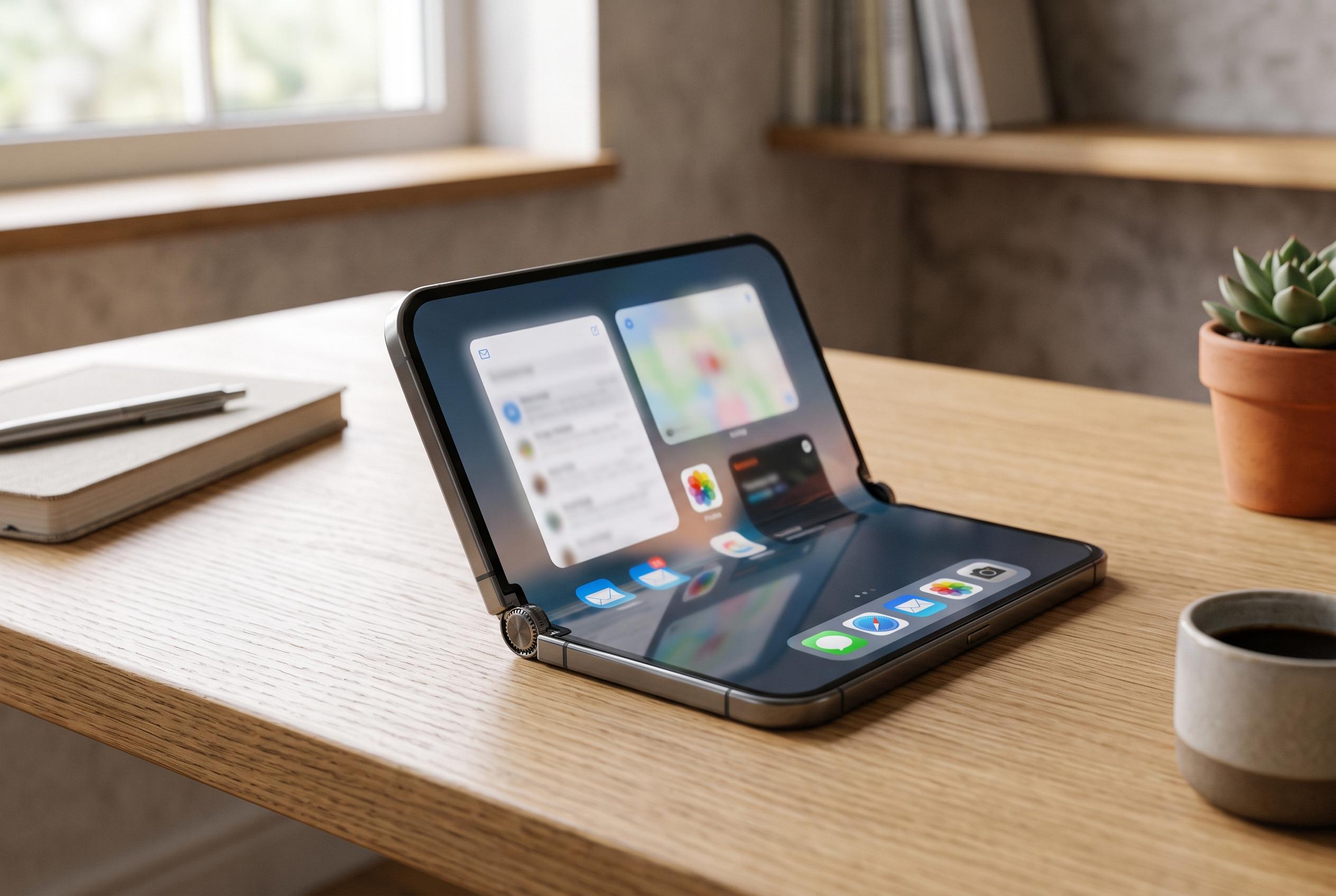

Apple’s first foldable iPhone, the Duo, offers a larger flexible display and multitasking benefits but sacrifices several Pro features, sparking debate over its value and positioning within the flagship lineup.
Apple’s latest comparison between the iPhone Duo and the iPhone 18 Pro line is, in practice, a study in trade-offs rather than a simple foldable-versus-traditional choice. According to Apple’s own specifications, the Duo is the company’s first folding iPhone, with a 7.6-inch inner display and a 5.4-inch outer screen, while the iPhone 18 Pro and Pro Max keep the familiar single-panel format. The foldable model is also positioned as the more expensive and more experimental option, with a higher starting price and a longer wait for retail availability than the Pro models.
That design shift comes with clear advantages and clear omissions. The Duo offers the flexibility of a compact outer display and a much larger inner screen for video, reading and multitasking, and Apple says it supports split-view style workflows, foldable-optimised interfaces and Apple Pencil. But it gives up several Pro-class features that matter to demanding users, including Face ID, the Action button, MagSafe Wallet support and the more familiar premium camera workflow found on the non-foldable flagships. Reported colour options are also more limited on the Duo than on the iPhone 18 Pro pair.
The biggest functional gap is in imaging. Apple’s Pro models use a three-camera system, including a dedicated telephoto lens, while the Duo is said to rely on only a main and an ultra-wide camera, both at 48 megapixels. That means the foldable lacks the Pro line’s 4x optical zoom, variable aperture system and advanced capture modes such as ProRAW and ProRes. The front camera is also lower specification on the Duo, and the model reportedly omits LiDAR, which has long been part of Apple’s Pro-tier imaging and depth-sensing package. For users who shoot a lot of stills or video, the Pro phones remain the more complete tools.
Apple’s new A20 Pro chip sits across the range, but the rest of the experience still separates the devices sharply. The Duo is rated for up to 44 hours of video playback on its outer screen, while the iPhone 18 Pro Max is listed at up to 45 hours, with the standard Pro model lower. Fast charging is quicker on the Pro phones, and the Duo is also said to charge more slowly than Apple’s fixed-screen flagships. In connectivity, the devices share USB 3, Wi-Fi 7, Bluetooth 6 and Thread support, but the Duo’s appeal is clearly about format and versatility rather than feature parity. For most buyers, the decision comes down to whether the foldable’s extra screen flexibility is worth the loss of pro-level camera hardware and the substantial price premium.
Disclaimer: This content is intended for informational purposes only. Readers are advised to exercise their own judgement, conduct due diligence, or consult a qualified expert before acting on any information provided.