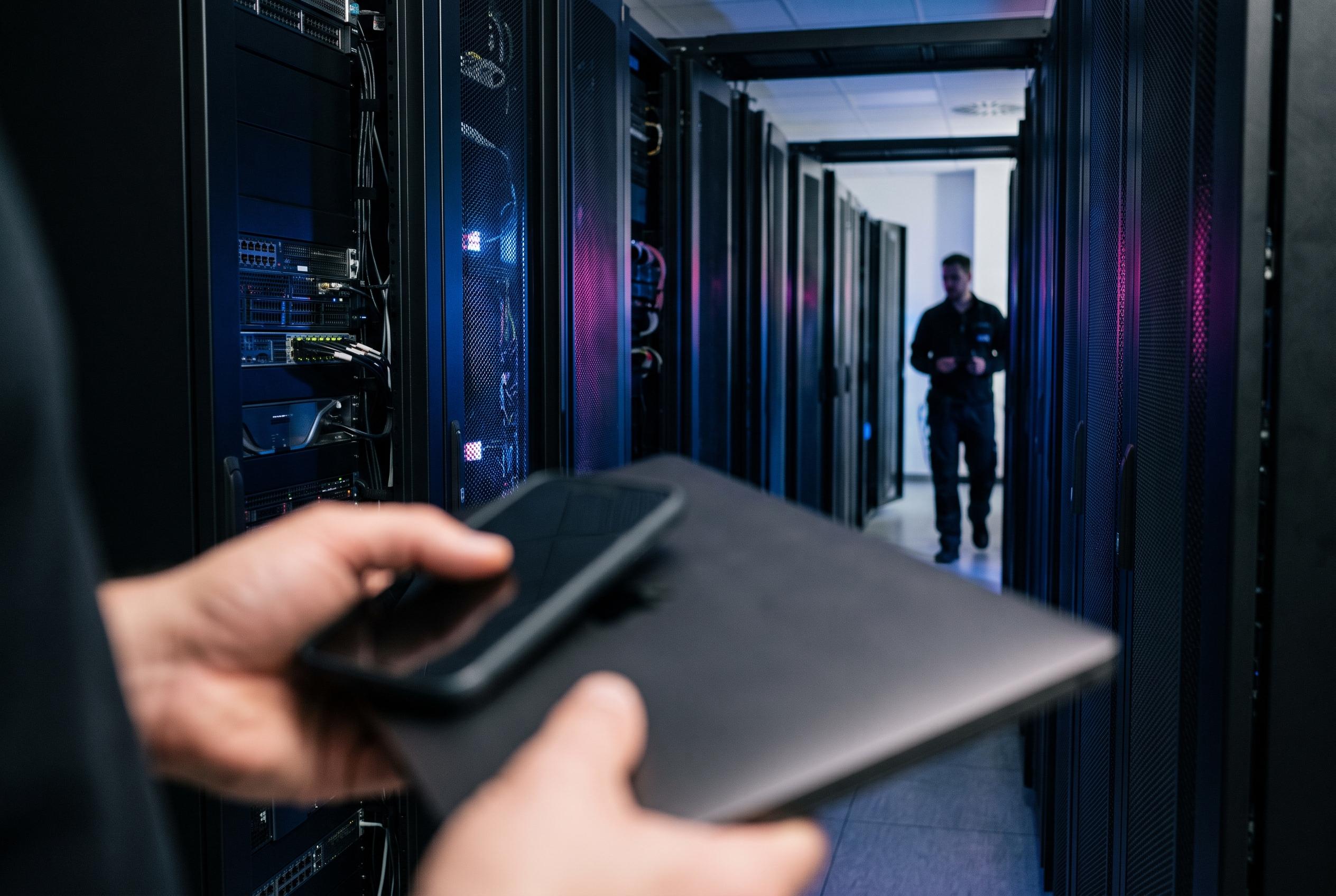

IDC warns that the rapid expansion of artificial intelligence infrastructure is intensifying a structural memory supply crunch, pushing up costs and risking wider impacts on consumer electronics into 2027.
IDC has warned that the global memory market is entering a severe and prolonged strain, with artificial intelligence infrastructure consuming a growing share of production capacity and pushing up the cost of server storage. In the company’s analysis, the rapid build-out of AI data centres has created a structural mismatch between demand and supply for high-bandwidth memory, DRAM and NAND flash, lifting prices and making hardware procurement significantly harder for smaller operators.
According to IDC, the problem is not a short-lived shortage but a deeper reallocation of supply towards AI systems. The firm says generative AI servers can require many times more DRAM and far more NAND than conventional machines, while large cloud groups continue to channel vast capital spending into AI facilities and GPU clusters. That, IDC argues, is locking up much of the market’s high-end storage output and leaving less capacity for consumer and general-purpose products.
The squeeze is already feeding through to other parts of the technology market. IDC’s own analysis in early 2026 said the memory shortage was worsening its outlook for PCs and smartphones, with higher component costs raising average selling prices and reducing shipment volumes. The company projected a decline in worldwide PC shipments for 2026 and warned that smartphone demand could also contract if pricing pressure continues. IDC said the shortage could persist well into 2027.
For small and medium-sized data centre operators, the commercial impact is particularly acute. Unlike the biggest cloud providers, they have less power to secure long-term supply contracts or absorb price rises, leaving them exposed to tighter margins, delayed expansion plans and possible service repricing. IDC and industry observers have suggested that operators respond by improving memory efficiency, diversifying supply chains and locking in longer-term procurement agreements, while also shifting towards higher-value services that can better support rising infrastructure costs.
Disclaimer: This content is intended for informational purposes only. Readers are advised to exercise their own judgement, conduct due diligence, or consult a qualified expert before acting on any information provided.