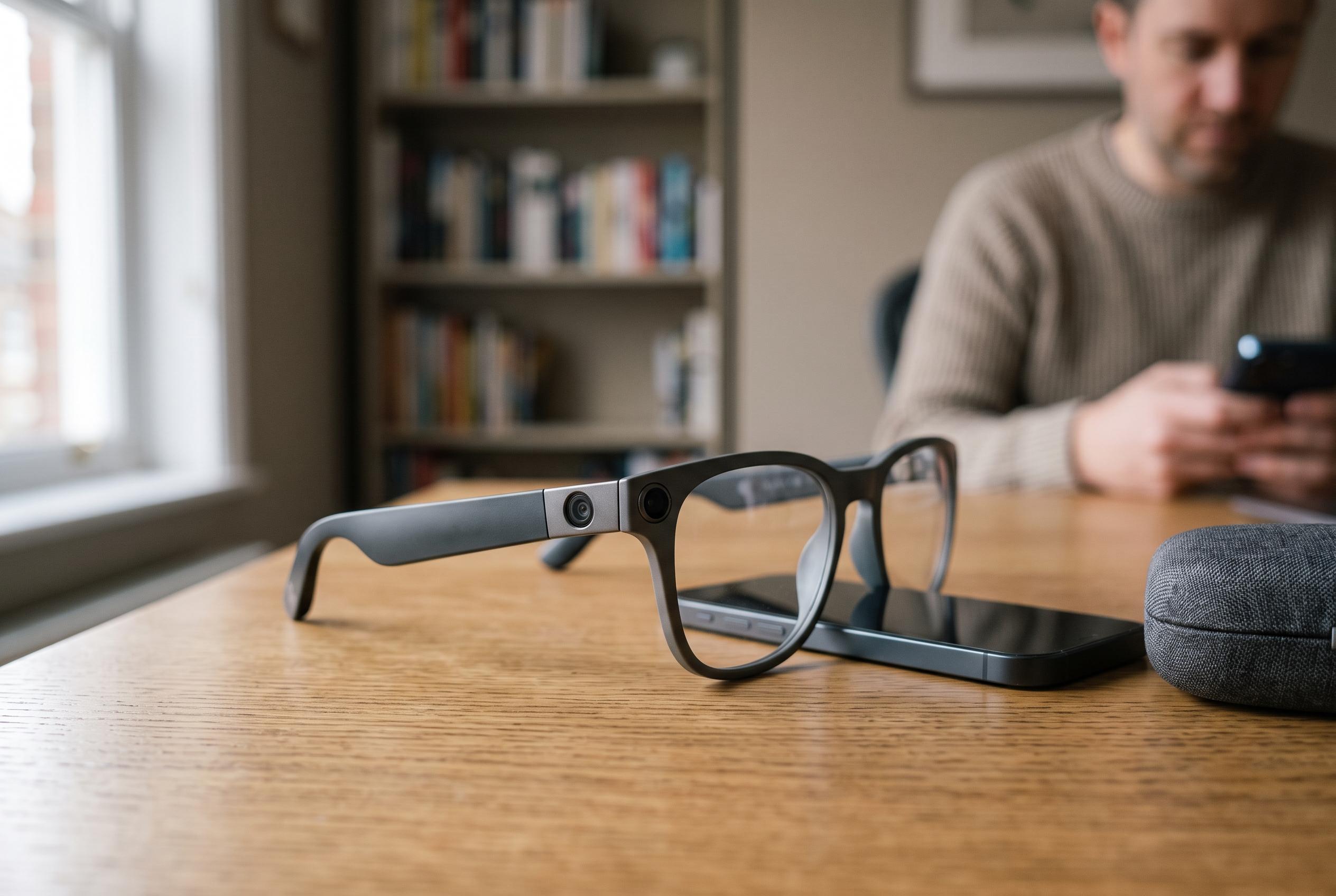

Popular Mechanics has shifted its smart-glasses guidance to emphasise camera-led, AI-enabled devices, reflecting a maturing market that prioritises user experience and specific use cases in an evolving landscape of connected eyewear.
Popular Mechanics has rewritten its smart-glasses guide around a narrower category of wearables: camera-led, AI-enabled glasses rather than the broader mix of connected eyewear that has often confused buyers. The publication says the shift reflects how the market has matured, with the most relevant products now centred on cameras, voice assistants, audio, and, in some models, compact in-lens displays. That mirrors the wider 2026 market, where guides from Tom’s Guide and VR.org also separate mainstream camera glasses from display-heavy and enterprise-focused devices.
The new framing is practical. Popular Mechanics says it is prioritising glasses that can take photos and video, handle reminders and searches, and support day-to-day AI use, rather than trying to score every wearable with a chip in it. Tom’s Guide’s 2026 roundup similarly groups products by use case, ranging from general-purpose AI glasses to models aimed at productivity or immersive viewing, while AugmentedReality.com splits the market into consumer eyewear and more specialised mixed-reality devices.
That approach also reflects how the category is being judged. Battery life, speaker quality, interface design, privacy indicators and comfort remain the core criteria, because smart glasses are only useful if people can wear them for hours without frustration. Popular Mechanics says it tested devices in real-world settings, checking call quality, music playback, transcription, camera controls and the fit of prescription-ready frames, which is consistent with other 2026 buyer’s guides that weigh comfort and value alongside visual performance.
The field remains fluid. VR.org notes that Ray-Ban Meta, Rokid, Xreal, Viture and HTC’s Vive Eagle are among the names shaping current consumer expectations, while Google, Samsung and Meta are widely watched for future releases. SmartGlasses.computer likewise points to a market in which specifications, prices and product strategies continue to change quickly, making any ranking inherently provisional rather than definitive.
For readers, the message is straightforward: smart glasses are becoming more useful, but they are still not a settled product class. The best choice depends on whether the priority is taking discreet photos, using AI tools hands-free, watching content on a private display or simply wearing a connected frame that does not feel awkward in daily life. Popular Mechanics’ revised guide is best read as a snapshot of an evolving market, not a permanent verdict.
Disclaimer: This content is intended for informational purposes only. Readers are advised to exercise their own judgement, conduct due diligence, or consult a qualified expert before acting on any information provided.