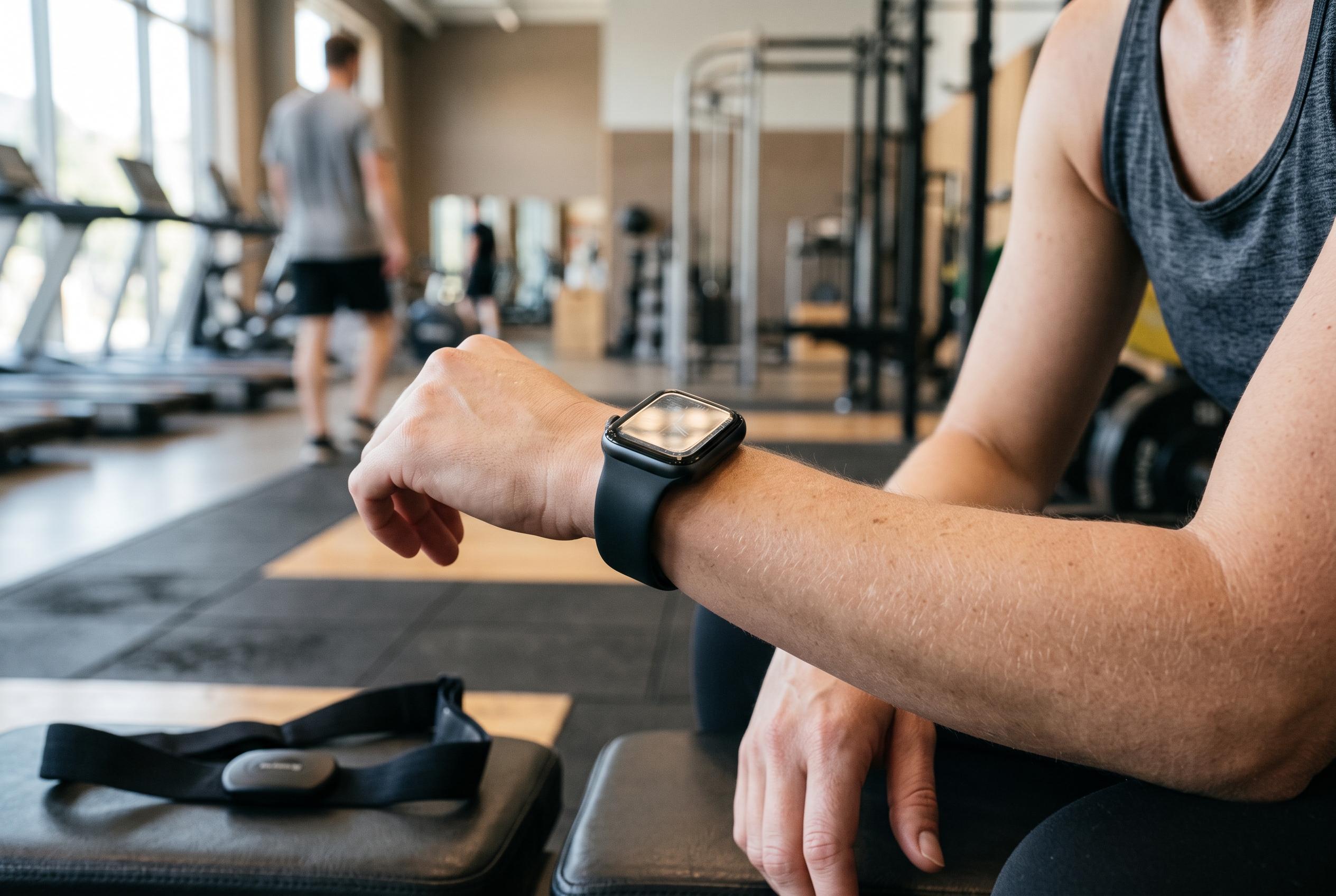

Research from Florida International University shows that popular wearables like Apple, Garmin, Samsung and Fitbit can be significantly inaccurate in measuring energy expenditure during exercise, with errors rising in individuals with higher body fat percentages.
Smartwatches may be useful for counting steps and monitoring heart rate, but a study from Florida International University suggests their calorie estimates can be far less dependable. Researchers found that devices from Apple, Garmin, Samsung and Fitbit all showed meaningful error when measuring energy expenditure during exercise, with the biggest misses appearing in people with higher body fat.
The study tested 58 men and women of different ages and body compositions, each wearing several watches at once while cycling on a recumbent bike. Their energy use was also measured with a metabolic analyser, which researchers treat as a more reliable benchmark. According to reports of the study, the watches were compared against that laboratory standard to see how closely they matched.
Across the four brands, calorie readings were off by roughly 15% to 25%. Apple had the smallest average error, while Garmin and Samsung tended to overstate burn by larger margins. Fitbit was less consistent, sometimes running above and sometimes below the laboratory readings, but it also produced some implausible results, including estimates far beyond the metabolic system’s figures.
The clearest pattern was the relationship with body fat percentage. As that figure rose, the watches became less accurate, with errors widening to 50% and, in some cases, more than 100%. Researchers said the likely explanation lies in how wearable devices work: accelerometers detect movement, optical sensors estimate heart rate, and software then combines those inputs with age, sex, height and weight. Those algorithms were developed largely on leaner people, which may make them less reliable for others.
The findings fit with earlier research cited in related coverage, which also found that calorie-burn estimates from consumer wearables can be substantially biased. By contrast, the same researchers have said heart-rate tracking is generally stronger, and that distance and pace data are often more useful than calorie totals. Their advice was simple: treat smartwatch calorie figures as rough estimates, not precise numbers, especially if they are being used to judge diet or weight-loss progress.
Disclaimer: This content is intended for informational purposes only. Readers are advised to exercise their own judgement, conduct due diligence, or consult a qualified expert before acting on any information provided.