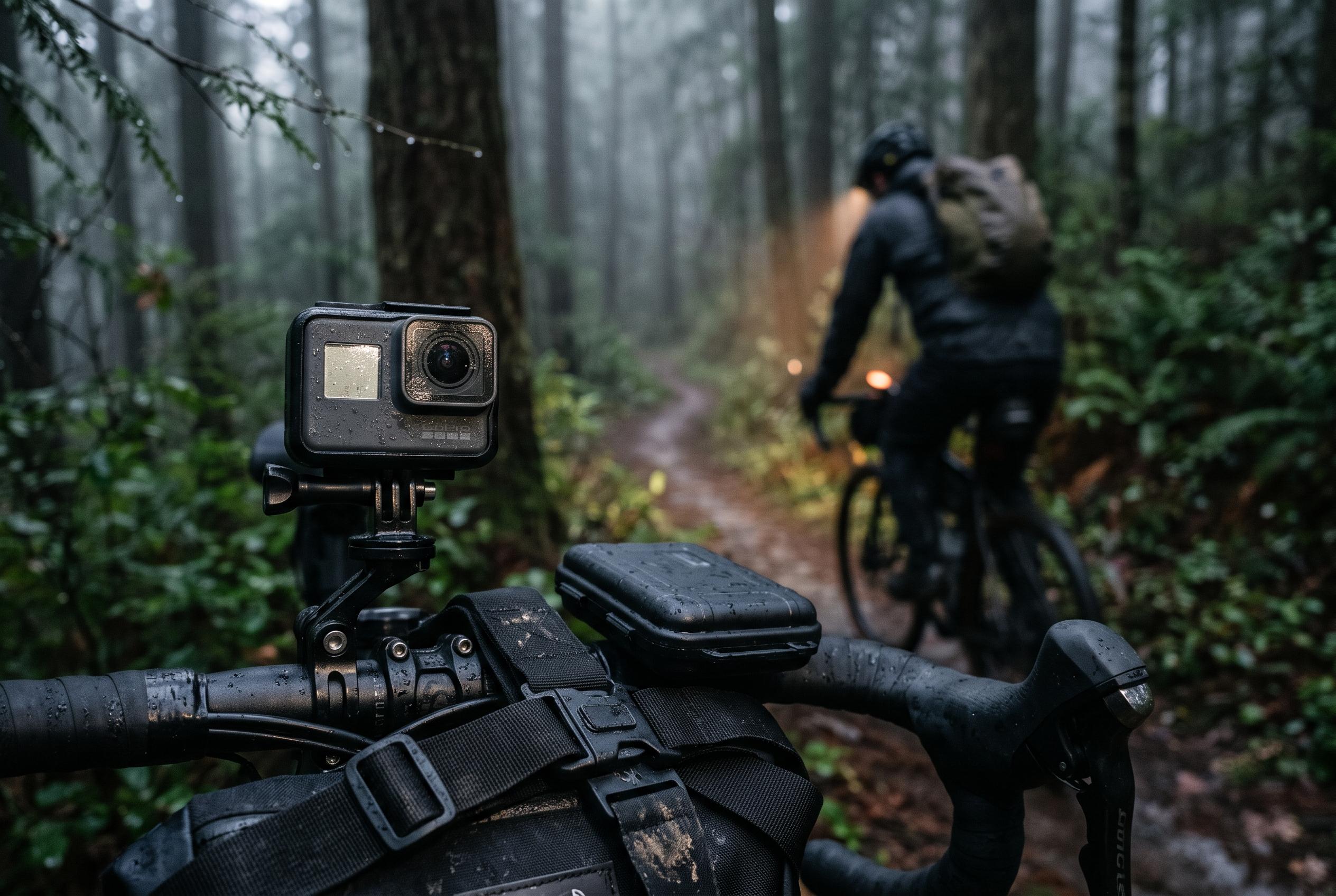

The DJI Osmo Action 6 offers longer battery life, superior low-light performance, and greater waterproofing for outdoor adventurers, making it a more versatile choice over the GoPro HERO13 Black for many trail users.
For hikers and trail runners choosing between DJI’s Osmo Action 6 and GoPro’s HERO13 Black, the decision is less about headline resolution than about how the cameras behave in the field. The Osmo Action 6 has the stronger case for most outdoor users: longer battery life, better low-light capture, deeper waterproofing and built-in storage. GoPro still retains clear strengths for those who value its 5.3K recording, familiar accessory ecosystem and slightly lighter body.
The most important practical difference is endurance. GoPro’s own specifications, as summarised by goprodb.com, put the HERO13 Black’s 1,900mAh Enduro battery at up to 2.5 hours of continuous 1080p recording, but that figure falls sharply in higher-resolution modes such as 5.3K and 4K/120fps. By contrast, DJI rates the Osmo Action 6’s 1,950mAh pack for up to 240 minutes at 1080p. In real trail use, that gap matters more than lab figures, because a camera that lasts through a full outing is more useful than one that needs a battery swap part-way through.
Image capture at dawn and dusk is another area where DJI appears to have the advantage. B&H Photo lists the Osmo Action 6 with a larger 1/1.1-inch sensor and a variable aperture from f/2.0 to f/4.0, compared with the HERO13 Black’s smaller 1/1.9-inch sensor and fixed f/2.5 aperture. Best Pick Guide says that combination gives DJI more flexibility in exposure and noticeably better performance in low light, which is particularly relevant for early starts and shaded forest trails.
Mounting and handling also favour DJI in some situations, but not all. Best Pick Guide notes that the Osmo Action 6’s magnetic mounting system makes attachment and removal faster than GoPro’s setup. Yet the HERO13 Black remains the lighter camera, which can make a difference on longer head-mounted runs. B&H Photo’s specifications place the GoPro at 121 grams, versus 149 grams for the DJI. That weight gap is small on paper, but it is easier to notice once the camera is worn for more than an hour.
Water resistance further strengthens DJI’s position. The Osmo Action 6 is rated to 20 metres without a housing, while the HERO13 Black is rated to 10 metres. That does not automatically decide creek crossings or wet-weather use, but it gives DJI a wider margin before an accessory case becomes necessary. For creators who film in mixed conditions, that extra tolerance can reduce the amount of kit they need to carry.
GoPro still has a credible case, particularly for users already invested in its lens mods or who prioritise higher native resolution. Daily Camera News says the HERO13 Black’s 5.3K recording and HyperSmooth stabilisation remain appealing for fast action, while the DJI offers 4K at up to 120fps and places more emphasis on versatility. For most people filming hikes, runs and other outdoor travel, though, the Osmo Action 6 looks like the more rounded choice: it lasts longer, sees better in poor light and is less constrained by water and storage limitations.
Disclaimer: This content is intended for informational purposes only. Readers are advised to exercise their own judgement, conduct due diligence, or consult a qualified expert before acting on any information provided.