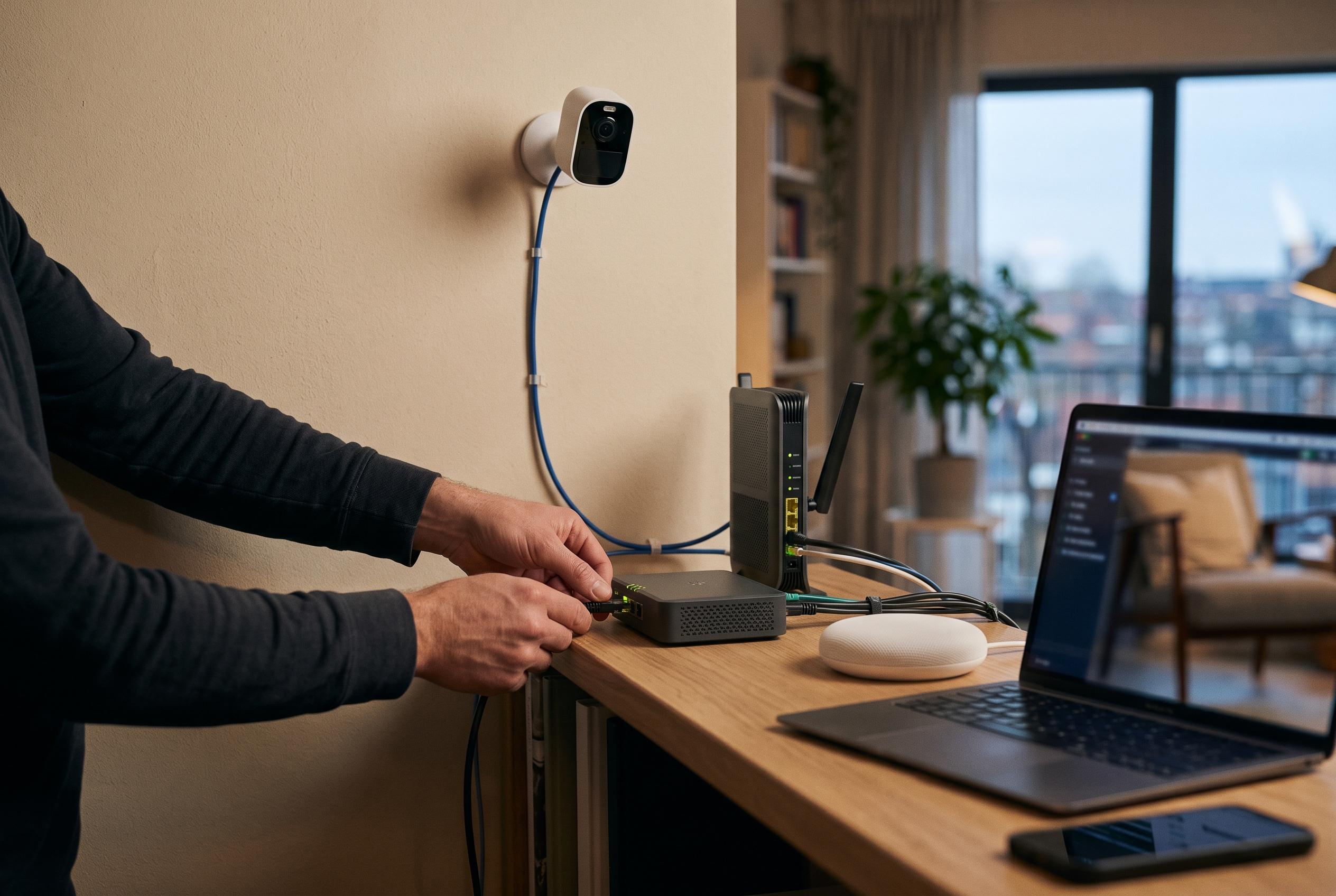

Despite enhanced safety features, home security cameras remain vulnerable if not properly protected, prompting experts to emphasise continuous vigilance and network segmentation to prevent cyber attacks.
Connected security cameras can make a home feel safer, but they can also create a route into private video, stored footage and other devices on the same network if they are left poorly protected. The warning is simple: a camera that is easy to reach remotely may also be easy for an attacker to view, hijack or use as a stepping stone to other systems in the home.
The first line of defence is basic account hygiene. Security specialists commonly advise changing factory-set passwords immediately, using long and unique credentials, and switching on two-factor authentication where it is available. The UK’s National Cyber Security Centre gives similar guidance for smart security cameras, alongside keeping software up to date and using encryption to limit unauthorised access.
Network design matters as well. Guidance from the National Cyber Security Centre, the US Federal Trade Commission and consumer technology publications all points to the same practical steps: keep cameras on a separate guest or isolated Wi-Fi network, avoid exposing remote administration unless it is needed, and disable features such as UPnP and unnecessary remote access tools. That approach helps contain any breach and reduces the chance that a compromised camera can reach laptops, phones or router settings.
Ongoing checks are also important. Reviewing device logs, monitoring active sessions and refreshing router credentials can help spot unusual activity early. The main point, echoed across the security advice, is that camera protection is not a one-off setup task but a continuing maintenance job.
Disclaimer: This content is intended for informational purposes only. Readers are advised to exercise their own judgement, conduct due diligence, or consult a qualified expert before acting on any information provided.