
Apple unveils its first foldable iPhone, the Duo, featuring a dual-screen design and a premium price point, prompting questions over longevity and user adoption in its initial release.
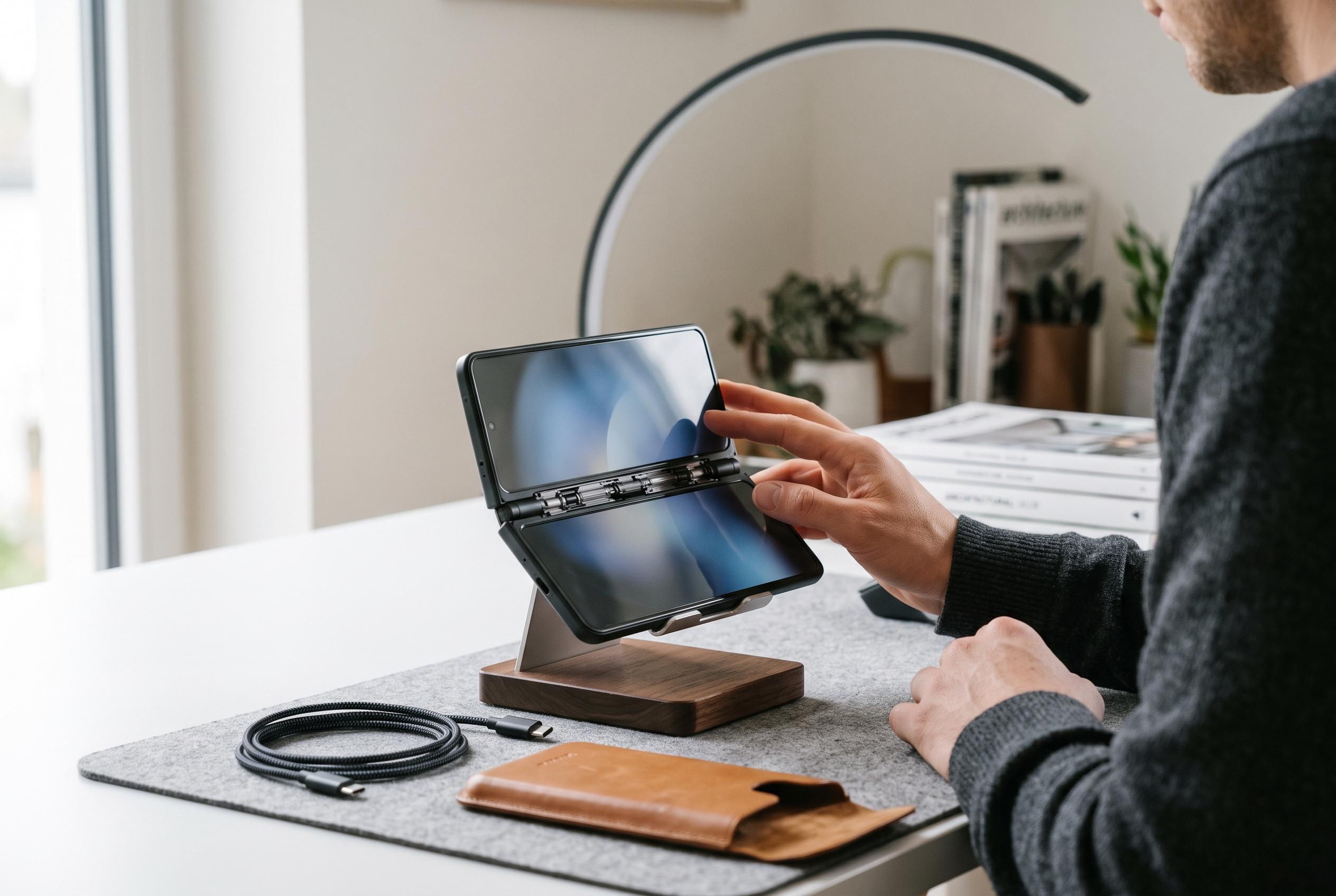
Apple’s first foldable iPhone arrives with an eye-watering starting price of $1,999 in the United States, and that alone will limit the audience. The iPhone Duo is not a routine upgrade. It is Apple’s most dramatic hardware shift in years, pairing a 5.4-inch outer display with a 7.6-inch inner screen and positioning the device as a phone that can also serve as a small tablet. Apple says pre-orders begin on 16 October, with availability from 23 October.
The specification sheet is impressive. Apple says the device uses the A20 Pro chip, starts at 256GB of storage and is available in Star White and Night Sky. It measures 5.2mm when open and 11.3mm when folded, and weighs about 254 grams. The company also claims up to 31 hours of video playback on the inner display and 44 hours on the outer one, although those figures reflect controlled testing rather than everyday use.
The appeal is obvious: a larger canvas for reading, editing and side-by-side apps, without carrying a separate tablet. Apple has also built in a custom polymer cover layer, a scratch-resistant coating and layered materials designed to reduce stress as the screen bends. It gives the Duo an IP68 rating for dust and water resistance, with Apple saying it can survive up to 30 minutes at a depth of 6 metres. Even so, water resistance says little about how a folding panel will age after months of opening and closing.
That is where caution becomes sensible. Reports from owners of Samsung’s earlier foldables have documented problems with inner screen protectors peeling and bubbling along the crease, forcing visits for authorised replacement. Those cases did not mean the display itself was failing, but they did show how quickly a premium folding phone can become irritating in daily use. Samsung has said the protector should be replaced by a trained technician rather than removed by the user.
Early hands-on reports suggest Apple may have made real progress on the crease, with one reviewer saying it was barely visible and another saying it was difficult to feel. Still, brief demonstrations are not the same as a year of ownership. The more meaningful question is whether buyers will actually use the larger screen often enough to justify the cost. Many people will probably default to the outer display for quick checks and unfold the phone far less than they expect.
The price of ownership reinforces that point. AppleCare+ with Theft and Loss adds $199.99 a year for the Duo, and the service fee for accidental damage to the inner display is $99. Apple says Express Replacement is available subject to stock, but that does not remove the basic uncertainty of buying a first-generation foldable. For users who want the novelty and can absorb the risk, the Duo is a striking piece of engineering. For everyone else, waiting for the second generation looks like the more measured choice.
Disclaimer: This content is intended for informational purposes only. Readers are advised to exercise their own judgement, conduct due diligence, or consult a qualified expert before acting on any information provided.