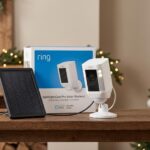
Advanced digital doorbells are moving beyond convenience, providing enhanced visibility, AI detection, and integration options to strengthen home safety across Singapore’s diverse residential spaces.
A digital doorbell has moved from a convenience feature to a practical part of home security. For flats and landed homes alike, it lets residents see, speak to, and record visitors before opening the door. In Singapore, where front doors often sit behind metal gates and along shared corridors, that extra layer of visibility can make a meaningful difference. According to technology reviews and product listings, current models increasingly combine 2K video, head-to-toe framing, package detection and app-based alerts, while also raising familiar concerns around wiring, storage and privacy.
The core appeal is simple: a doorbell camera turns a passive entrance into an active checkpoint. It can help confirm deliveries, deter opportunistic theft and capture evidence if something goes wrong. Industry commentary also notes that modern units are moving beyond basic motion alerts, with AI-driven detection that can separate people and parcels from background movement. That matters in busy housing estates, where unnecessary notifications can quickly make a device feel more irritating than useful.
Resolution and field of view are among the most important purchasing points. Some entry-level models still use 1080p video, but newer units from brands such as SimpliSafe and Eazea offer 2K or Full HD capture with wide-angle lenses. Product specifications for devices such as the Eques S31 and Eazea Bello highlight broad viewing angles, night vision, two-way audio and support for both SD card and cloud storage. In practical terms, a wider frame makes it easier to see faces, parcels and movement at floor level, while stronger night vision improves recognition in dim corridors.
Power supply is the next major decision. Wired doorbells are generally more reliable because they draw continuous power and can support features such as pre-roll recording. Battery-powered models are easier to install, especially where there is no existing wiring, but real-world battery life depends heavily on how often the camera wakes up. TechRadar has noted that some recent battery models can last far longer than earlier generations, yet local conditions such as frequent corridor traffic will still shorten the interval between charges. For many homes, the choice comes down to whether convenience or permanence matters more.
Storage is another point of difference. Some systems rely on local recording through microSD cards or indoor hubs, which avoids subscription fees. Others push video clips to the cloud, which adds recurring cost but keeps footage available even if the device is tampered with. Privacy remains a genuine issue, too. Consumer guidance from NerdWallet warns that video doorbells can be exposed to hacking, internet disruption or theft if they are poorly secured. That makes encrypted connections, strong app controls and sensible camera placement essential, especially in shared residential areas.
Integration is increasingly where the market is heading. The strongest systems are designed to work with digital locks, smart displays and mobile apps, so residents can verify a visitor and unlock the door from the same ecosystem. That is particularly relevant in Singapore homes with both a gate and a main door, where positioning and device compatibility can affect performance. In that setting, the best choice is rarely the flashiest one. It is the model that balances image quality, power reliability, storage preference and installation fit for the entrance you actually live with.
Disclaimer: This content is intended for informational purposes only. Readers are advised to exercise their own judgement, conduct due diligence, or consult a qualified expert before acting on any information provided.