
Bose recommends beginning with simple power cycles before resorting to factory resets when diagnosing issues with its headphones and earbuds, emphasising a tiered approach to troubleshooting.
A simple restart is often the first and most effective fix when Bose headphones stop behaving as expected. For many models, that means powering the headphones off, waiting around 30 to 60 seconds, and switching them back on again. Bose support says the exact method varies by product, but the basic idea is to force a clean power cycle before moving on to more involved steps.
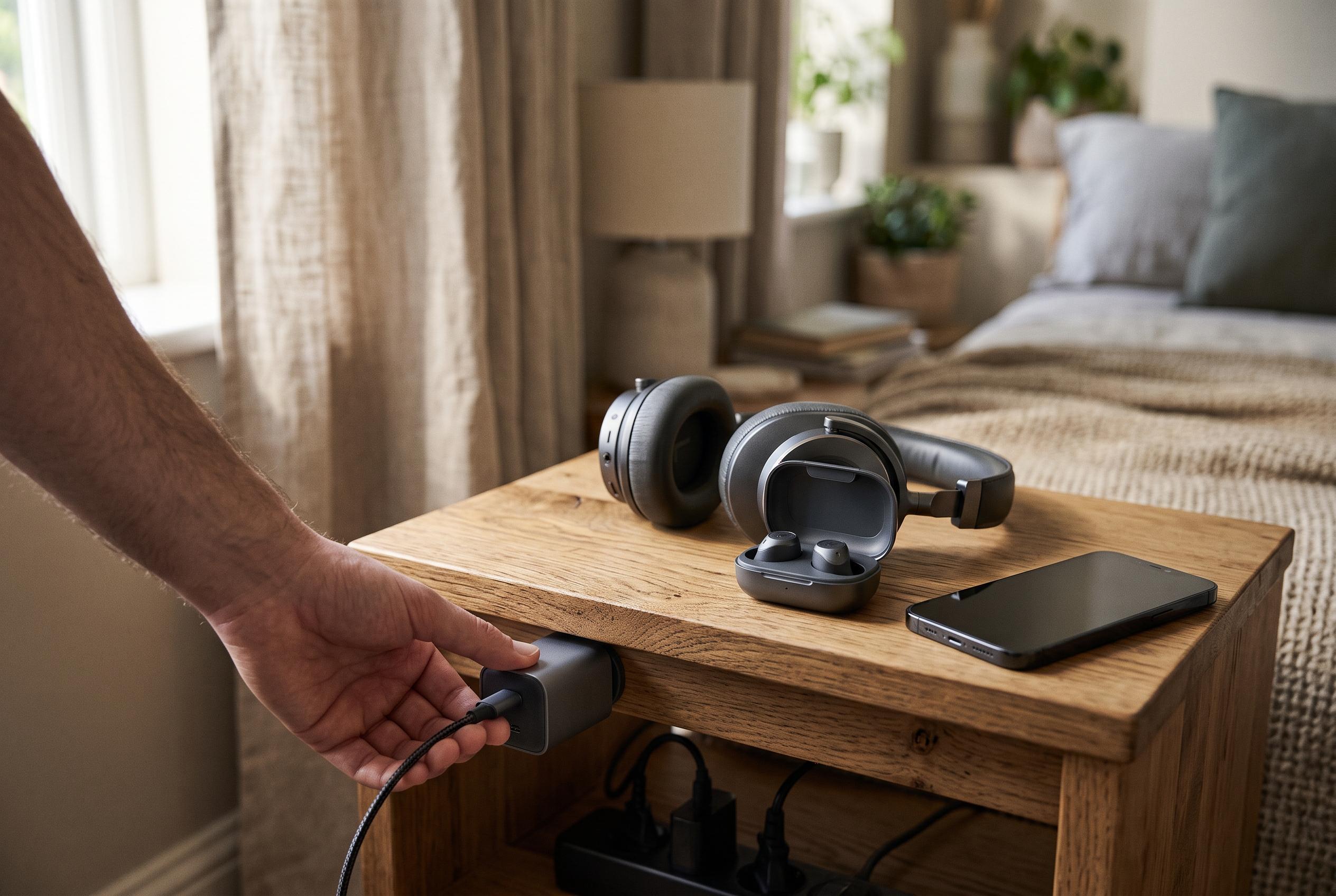
If that does not help, Bose’s support guidance recommends checking the model-specific reset instructions in the user manual or on its help pages. The company’s official articles for QuietComfort headphones, QuietComfort 45, QuietComfort headphones second generation, and QuietComfort Ultra Earbuds second generation all describe a standard reset process alongside a deeper factory reset option. In each case, the reset sequence depends on the hardware, such as the power or Bluetooth switch, a USB-C or charging cable connection, or a button on the earbud case.
A factory reset is more drastic. Bose says this should be reserved for situations where normal troubleshooting has failed. The procedure typically removes the product from the Bluetooth list and the Bose account before returning the device to its original settings. That means the headphones or earbuds will need to be paired again afterwards, which can resolve persistent connection faults, software glitches, or settings problems that survive a basic restart.
The broader point is that Bose treats reset steps as part of a tiered troubleshooting process rather than a first response. Start with a simple power cycle, then move to the relevant model instructions, and only then use the factory reset route if the fault remains. For users trying to avoid unnecessary disruption, that sequence is the safest way to restore a set of premium headphones without wiping settings too early.
Disclaimer: This content is intended for informational purposes only. Readers are advised to exercise their own judgement, conduct due diligence, or consult a qualified expert before acting on any information provided.