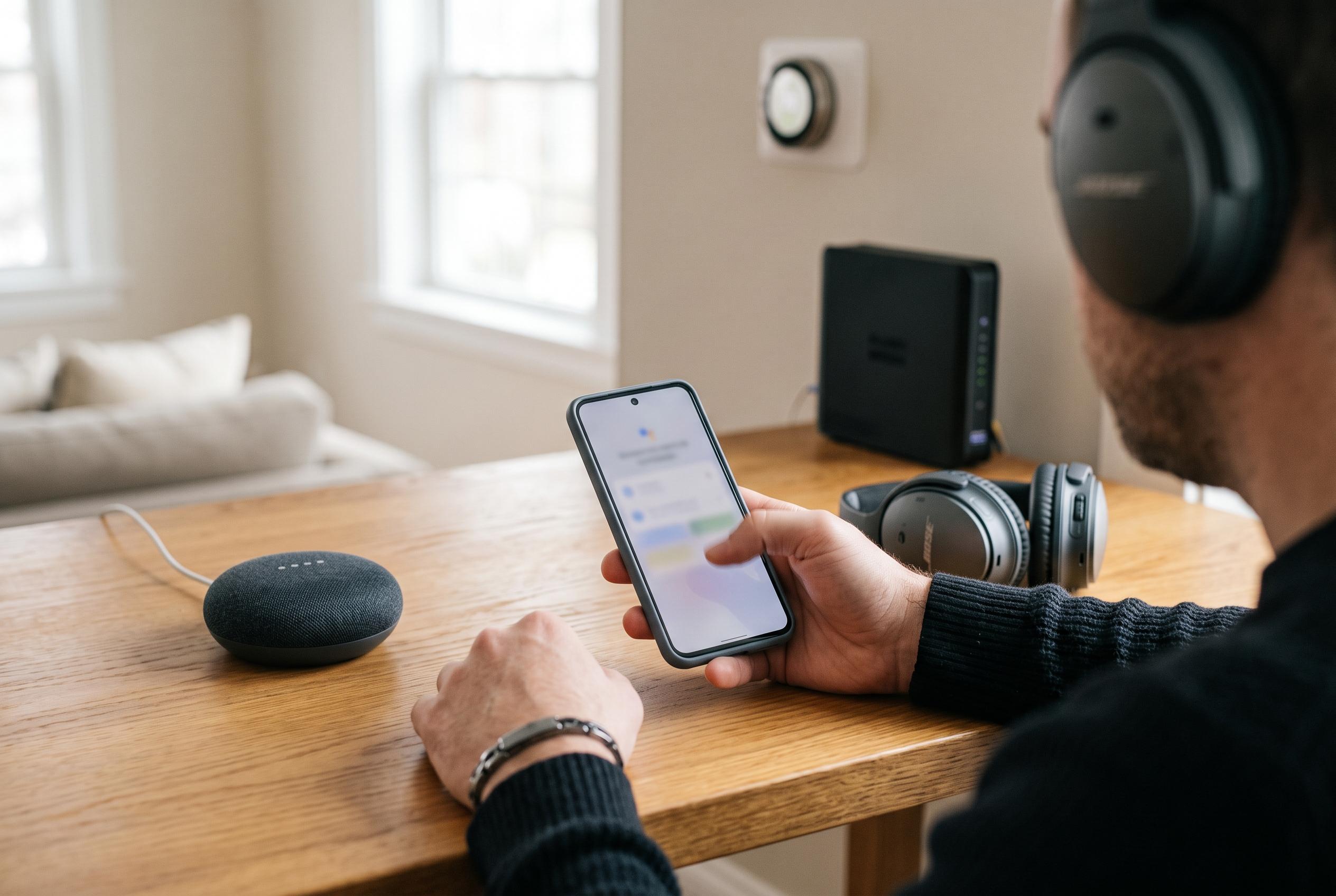

The Google Pixel 11 introduces AI-driven services like Gemini Intelligence and live dubbing, emphasising software enhancements that prioritise user convenience over hardware changes, sparking a reassessment of smartphone evolution.
Google’s Pixel 11 is being pitched as a phone that does more of the work for its owner, but early reviews suggest the bigger change is in software rather than hardware. TechCrunch said the handset arrives with few design alterations and leans heavily on Gemini Intelligence, Google’s push to let the assistant handle tasks such as ordering groceries, booking rides and making restaurant reservations. That framing fits Google’s wider ambition to make AI the centre of personal computing, even if the device itself remains recognisably close to its predecessor.
In practice, the most notable additions are AI-led services layered on top of familiar phone functions. TechRepublic reported that the Pixel 11’s Gemini features are supported by the Tensor G6 chip and are designed to work on-device where possible, with Google presenting that as a way to improve speed and efficiency. But several reviews indicate that the benefits are uneven. Tom’s Guide and Android Central both described the handset as an incremental upgrade rather than a must-buy for people already using a recent Pixel, while Business Standard said the phone makes a stronger case on value than on dramatic innovation.
The camera software tells a similar story. DPReview found that Magic Capture records short video clips and then uses AI to choose a still frame that it judges to be the best shot, while Camera Looks offers preset styles before capture. That can reduce effort, but it also hands creative control to the phone. The Seattle Times found the system useful in some cases, such as with a pet photo, but less convincing with a child, where the reviewer preferred a different frame from the one the software selected. The publication argued that letting AI decide can feel efficient without necessarily feeling better.
The most striking feature, according to the Seattle Times, is live dubbing for video and podcast audio. The tool can translate speech into a selected language and mimic the original speaker’s voice, a capability that the reviewer tested with French. The result was impressive enough to suggest real promise, although a native French speaker judged some of the output to be literal and awkward. Even so, that feature may prove more durable than the more intrusive app-control functions if Google expands language support and refines the translations.
Taken together, the reviews point to a familiar pattern for Google’s phones: the most successful additions are the ones that quietly remove friction, rather than the ones that ask users to change how they interact with their devices. Features such as call screening, photo cleanup and transcription have already shown that AI can improve a handset without redefining it. The Pixel 11 appears to continue that trend. Its most ambitious ideas may shape the next generation of smartphones, but for now they look more like useful tools than a new interface for mobile computing.
Disclaimer: This content is intended for informational purposes only. Readers are advised to exercise their own judgement, conduct due diligence, or consult a qualified expert before acting on any information provided.