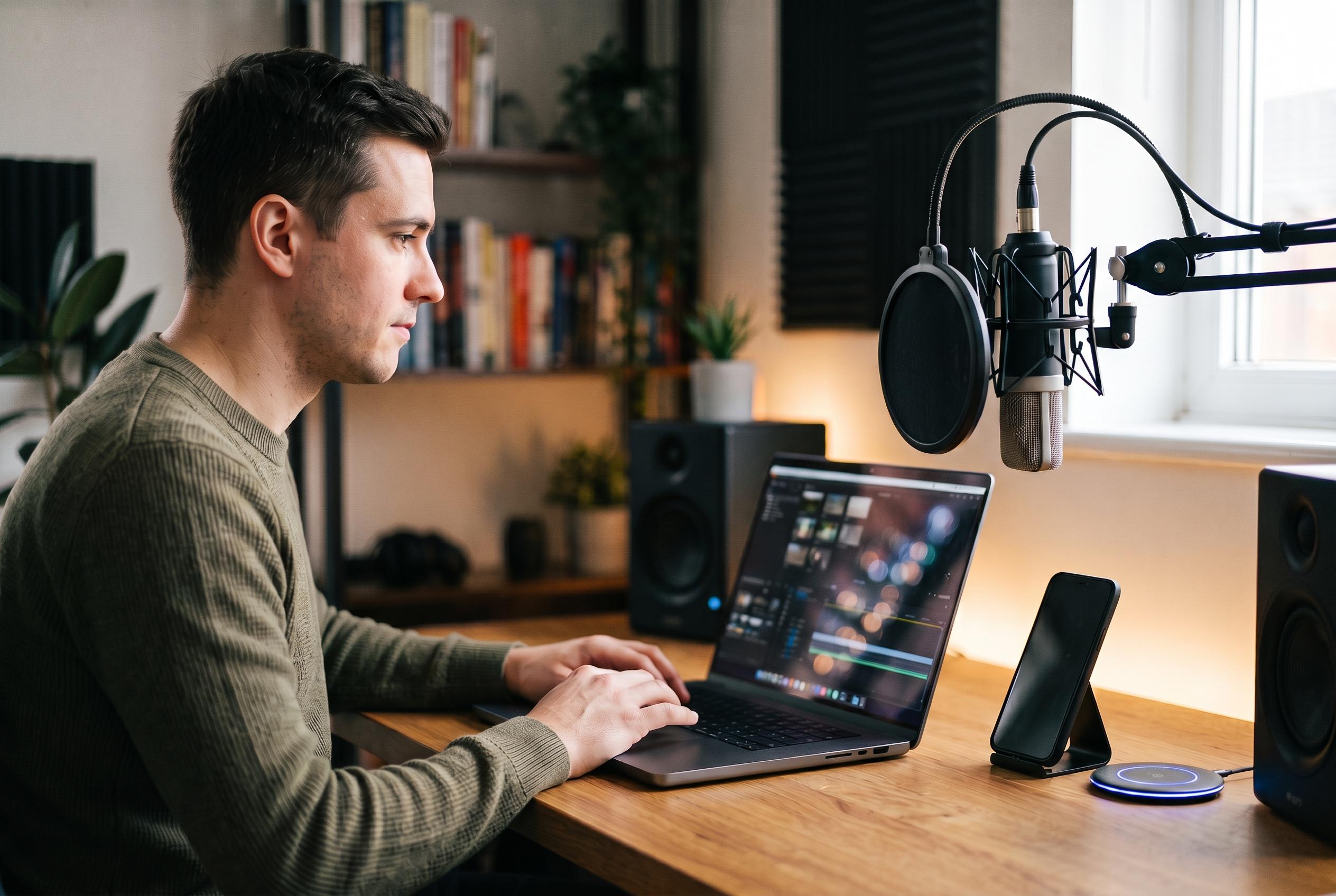

YouTube unveils advanced AI-driven features to help creators optimise videos, enhance discoverability, and attract sponsorships, signalling a disruptive shift in platform support for creator monetisation.
YouTube is pushing further into artificial intelligence as it broadens the tools available to creators who want to improve discoverability, sharpen packaging and present their channels more convincingly to advertisers. According to a report from HWUpgrade, the company used its Made on YouTube event to unveil a new AI agent that will sit behind the scenes, reviewing a creator’s back catalogue and flagging videos that are regaining relevance, tying into current events or attracting renewed interest. In those cases, the system may suggest changes to titles and thumbnails to capture fresh demand.
The same tool is also being positioned as a commercial aid for creators seeking sponsorship. Amjad Hanif, YouTube’s vice-president of creator products, said the agent can draw on demographic and audience data to help build brand pitches. That would give creators a faster way to assemble media material for potential advertisers, while extending the recommendation features YouTube already offers for videos and thumbnails. The move reflects a wider trend across creator platforms, where AI is increasingly being used not only for production but also for channel strategy and monetisation support.
YouTube is also testing more direct automation. The company plans to let creators generate complete title and thumbnail options from the content of a video, then request AI feedback on those thumbnails before publishing. It will allow tests of up to three thumbnail variants for the same upload, showing them to different audience segments and using watch time to identify the best performer. The same principle will apply to the videos themselves: creators will be able to trial three versions of one piece of content, changing elements such as the opening, hook or structure, with YouTube able to choose the winner automatically after seven days.
Hanif stressed that the three versions will not be radically different, which suggests the feature is meant for controlled optimisation rather than wholesale creative replacement. That distinction matters, because the use of AI remains sensitive among creators. YouTube is drawing a line between tools that speed up repetitive work and systems that directly produce the core creative output, such as scripts, scenes or full videos. So far, the company has not published hard data showing how much these tools improve performance metrics. Hanif said the clearest benefit seen so far is time saved, which creators can then redirect into more creative work.
The announcement also places YouTube within a broader creator-tool market that is already crowded with AI products for titles, thumbnails, descriptions, analytics and scripting. Services such as Tubvix, TubeWizz and Platvo market suites of tools aimed at improving YouTube performance, while guides from Aipedia and other creators highlight software for editing, voiceovers, thumbnail design and repurposing long-form video. YouTube’s advantage is that it can build these features directly into its own ecosystem, potentially reducing friction for users who already rely on YouTube Studio and making optimisation part of the standard publishing workflow rather than an external add-on.
Disclaimer: This content is intended for informational purposes only. Readers are advised to exercise their own judgement, conduct due diligence, or consult a qualified expert before acting on any information provided.