
Huawei’s Watch D3 aims to transform wearable health monitoring by integrating medical-grade blood pressure readings into a daily wrist-worn device, positioning itself as a premium health-focused accessory in a competitive market.
Huawei’s Watch D3 is trying to do something that most smartwatches do not: turn blood pressure monitoring into an everyday wrist-worn function rather than a clinic-only task. That matters because, for some users, the device is not competing with a fitness watch so much as with a second wristwatch. The appeal here is practical. The Watch D3 combines sleep, heart-rate and activity tracking with a built-in inflatable cuff, and at £399.99 in the UK it is positioned as a premium health device rather than a mass-market smartwatch.
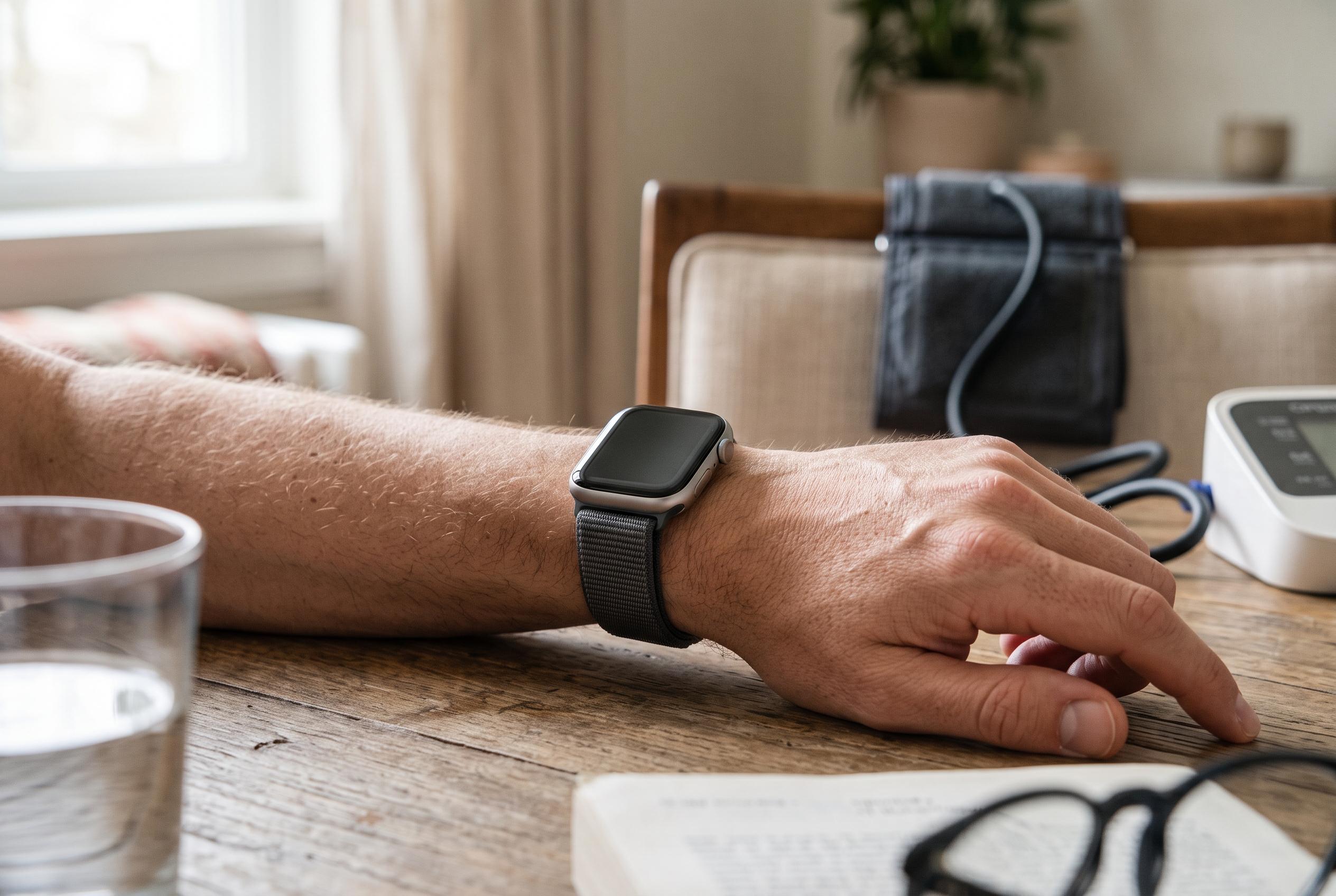
The core of the design is the strap, which contains an airbag that inflates to take a reading. Huawei says the system uses oscillometric measurement, the same basic technique found in many automatic cuff monitors, but miniaturised for the wrist. The company’s support material also explains that the D3 can take blood pressure readings before and after exercise, with the result intended to help users judge exertion and cardiovascular response rather than to replace medical advice. That distinction matters, because the watch is not a diagnostic instrument and cannot be treated as a substitute for a clinician’s assessment.
Huawei’s own guidance stresses that body position and fit are important. The watch must be level with the heart during awake measurements, and strap sizing is part of the setup because the cuff sits inside the band. The company offers two strap ranges, and the mechanism cannot be replicated by an ordinary replacement band. In practice, this makes the D3 more demanding than a standard smartwatch, but also more purposeful. The strap is not an accessory; it is part of the measurement system. Notebookcheck’s hands-on coverage and other early reports have noted the same point, describing the cuff as the feature that defines the product rather than an optional extra.
The D3 is not simply a blood pressure device, however. Huawei has also slimmed the body compared with the previous Watch D2, while enlarging the screen and increasing brightness. The company says the display grows to 1.92 inches, peak brightness reaches 3,000 nits, and the casing is thinner than before. It also claims a faster charge time and keeps the usual-use battery estimate at up to six days, falling sharply when ambulatory blood pressure monitoring is active. That combination suggests a more polished daily-wear product, even if the medical-style features remain the main draw. Gizmochina’s launch report highlighted the slimmer profile and broader health-tracking ambitions, which helps frame the D3 as more than a single-purpose device.
The blood pressure features are also more extensive than a simple on-demand reading. Huawei says the D3 supports 24-hour ambulatory blood pressure monitoring, with measurements taken across the day and night according to a schedule. The company’s support pages say the user can collect readings during exercise as well, including walking, running and cycling. Notebookcheck’s review went further, examining the watch’s arterial-stiffness analysis, which uses ECG and optical data to estimate cardiovascular indicators. That adds another layer of health interpretation, although it should still be understood as an estimate, not a clinical verdict.
For buyers already using Huawei’s ecosystem, the choice now sits between the D3 and the company’s broader smartwatch line-up. The Watch GT 7 is the more obvious option for outdoor training and long battery life, while the Watch 6 is aimed at users who want more conventional smartwatch features and eSIM support where available. The D3 stands apart because it is built around blood pressure first and everything else second. That makes it especially relevant to users who value health monitoring over workout coaching. It may also explain Huawei’s emphasis on family-facing health views and app-based reporting, which the company says can extend readings and alerts beyond the owner’s own wrist.
What remains to be seen is whether the D3 is comfortable enough, accurate enough and easy enough to live with every day to justify replacing a normal watch. Early hands-on impressions suggest the hardware is credible, the measurement process is more involved than with an ordinary smartwatch, and the use case is narrow but real. For people who want blood pressure information alongside daily health tracking, that narrowness may be the point. For everyone else, the D3 will probably remain a specialist product, but one with a clearer reason to exist than many health-focused wearables.
Disclaimer: This content is intended for informational purposes only. Readers are advised to exercise their own judgement, conduct due diligence, or consult a qualified expert before acting on any information provided.